





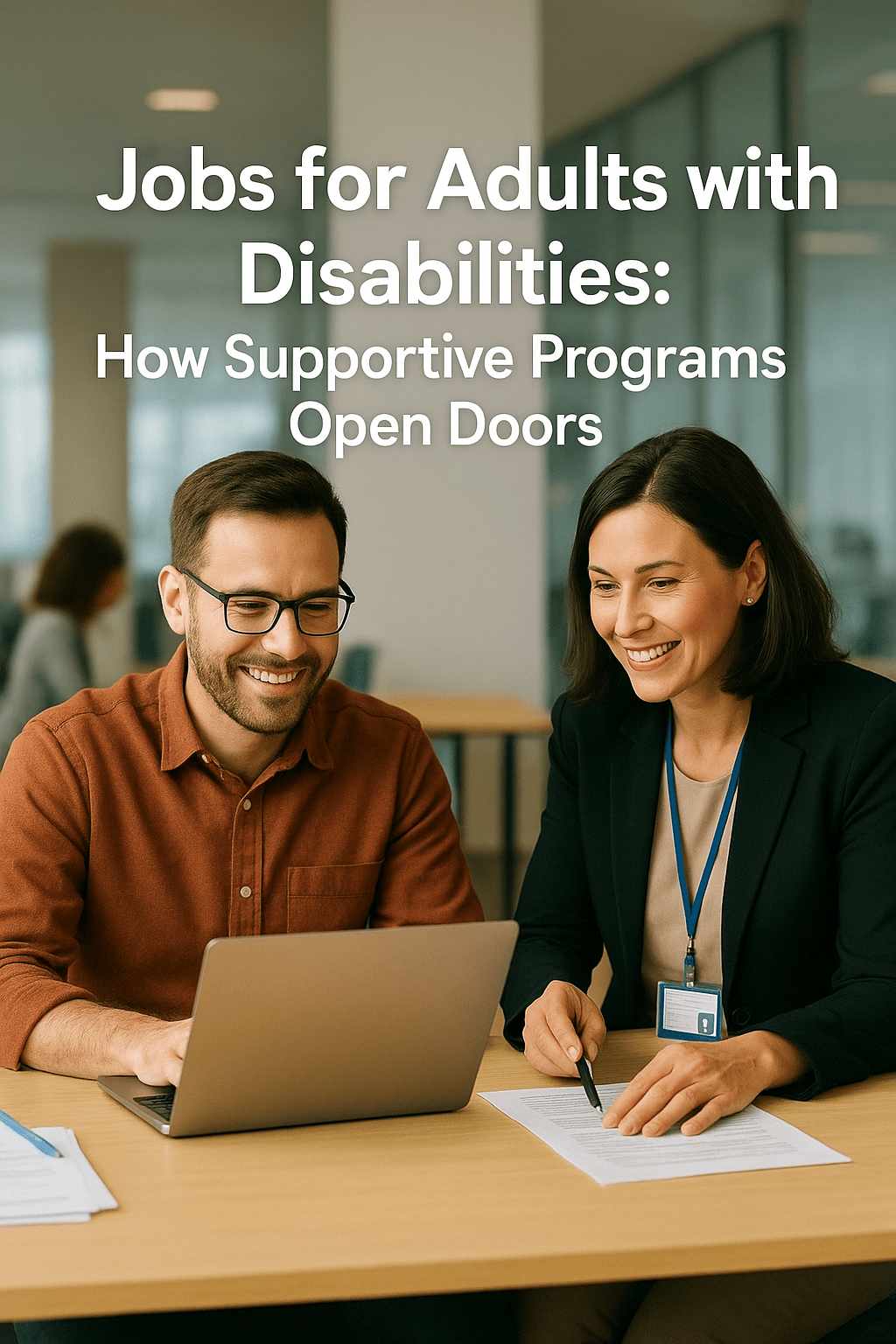
Starting work for the first time is a major milestone on the road to adulthood. It is an opportunity to increase your independence, particularly financially, and to build skills and confidence. However, it may also present significant challenges as you try to adjust to new systems and expectations. Both potential benefits and likely difficulties increase for adults with disabilities, but there are supportive programs to help manage them.
What are jobs for adults with disabilities?
Jobs for Adults with disabilities are those that are well-suited to adults with cognitive impairment or other disabilities. They may involve repetitive work and routines, minimize the risk of sensory overload, or involve areas of special interest. They are also likely to be in workplaces where it is easier to offer disability accommodations, and where employers have an understanding of the needs of workers with disabilities and how to support them. Even so, for adults with disabilities to access these kinds of jobs, they are still likely to need help with the process.
How can supportive programs help?
There are many ways that programs for adults with disabilities can prepare them for the world of work. This includes career planning and help with the application process, building relevant skills, offering work experience opportunities, and establishing relationships with local employers.
Career planning
Often, helping an adult with disabilities find work begins with career planning. This means helping them recognize their strengths and interests so they can identify relevant careers that they may find rewarding. If there are skills that will need developing to make that career viable, experienced coaches can also assist with skill-building, as well as ensuring that goals are realistic. It is also important that progress is tracked. Coaches may also be invaluable during the process of compiling a resume, writing cover letters, filling in application forms, and practicing for interviews.
Skill building
Some of the skills needed in employment are extensions of those needed in other areas of life, such as literacy, numeracy, communication, and social skills. These skills are then adapted to workplace-specific situations, such as serving customers. Others may be unique to work, such as using a particular piece of software. There are also the adjacent skills that are not necessary in the workplace itself, but may be required to be successful. An example may be commuting to work using public transport. Supportive programs for adults with disabilities may be specifically directed at job training or may include it alongside wider education in the skills of daily living. In all cases, experienced staff use evidence-based techniques to allow students to learn and practice the things they need to know.
Relationships with local employers
These kinds of programs will also often build relationships with local businesses. This allows for the provision of external work placements (as opposed to internal work placements, which take place on site). It gives businesses a better understanding of how to offer accommodations and show them the potential of workers with disabilities.
Work experience
Skill building may start in the classroom, but practical experience can be invaluable in ensuring students are as prepared as possible for work. An internal work placement takes place in a familiar and controlled environment with known staff on hand. It allows students to participate in everything from product design to marketing to sales and customer service. External placements are the closest thing to actual work while still being supported.
Why are jobs for adults with disabilities so important?
A job is an opportunity to give you a sense of purpose and feel that you are contributing to society, particularly if it is in an area of interest. Having an independent source of income gives you more autonomy and control over your life, which can make it easier to advocate for yourself. The workplace allows you to form new, meaningful relationships with a wider range of people, countering the isolation often experienced by adults with disabilities, as well as providing opportunities to master new skills and potentially transferable skills. All of this works together to build self-confidence and better prepare someone to deal with any problems they encounter, whether at work or elsewhere.
Conclusion
Considering the importance of work to living more independently and confidently, it is important that adults with disabilities have the best opportunities to find employment that is suited to their strengths and interests. Specialist programs can help with career planning, then continue to offer support through the application and training process so students have the skills and confidence they need.



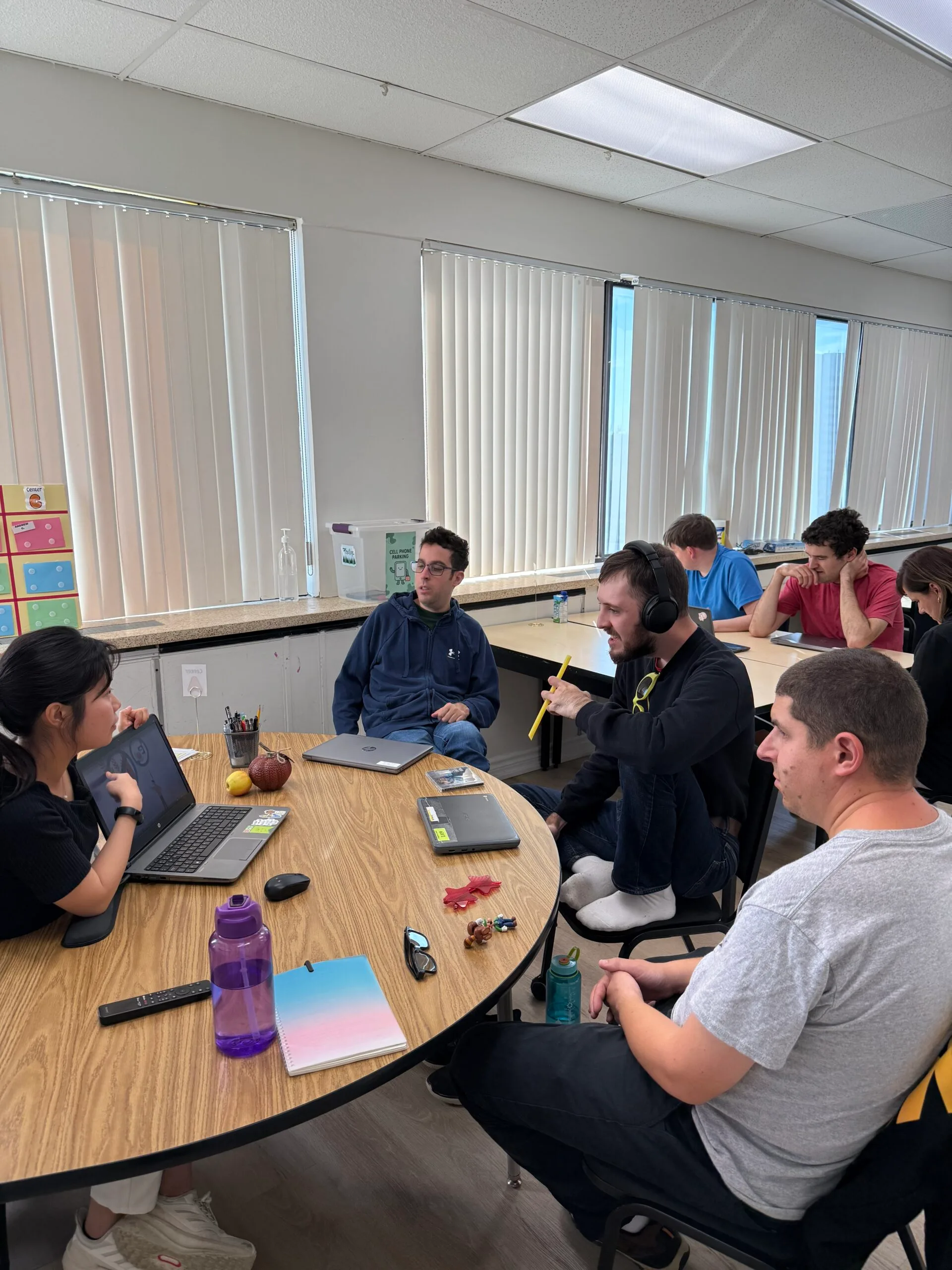
Employers generally look for various qualities in their team, including good communication, workplace behaviour, and an individual's confidence to handle everyday responsibilities in a professional