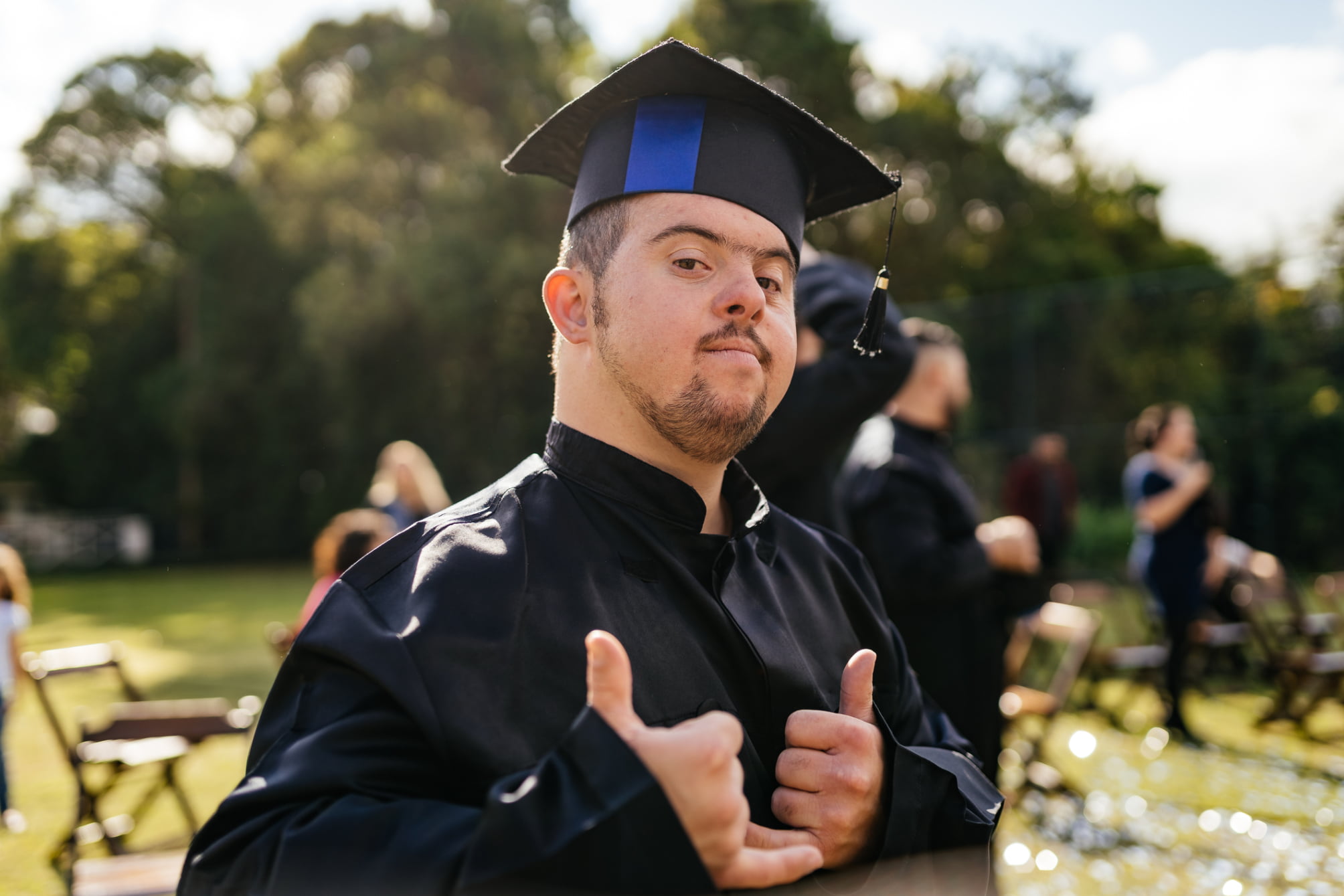


Leaving high school can be a significant turning point for young adults with intellectual challenges and developmental disabilities. The structure, predictability, and built-in supports of the school system often end abruptly, leaving families unsure of what comes next. For many individuals, a day program for adults with intellectual disabilities, including autism and other developmental disabilities, offers a clear and supportive transition from school to adulthood. Within this context, day programs for adults with disabilities in Toronto play a vital role in supporting continued growth in confidence and independence rather than allowing learning momentum to fade after formal schooling ends.
Understanding the Post-School Transition
High school prepares students academically, but adulthood requires a different set of skills. Managing time, communicating needs, navigating community spaces, and understanding workplace expectations are not always taught explicitly in school. Adults with cognitive disabilities or developmental challenges may need additional time and guided practice to build these abilities. Without structured support, the transition can feel overwhelming, leading to loss of routine and reduced growth opportunities.
Day programs for adults with special needs in Toronto exist to fill this gap. They provide a predictable daily schedule that mirrors adult responsibilities while allowing participants to learn at their own pace. Rather than focusing on academic outcomes, these programs emphasize practical, real-world skills that support long-term independence and participation in the community.
What Day Programs Offer Beyond High School
A well-designed day program supports adults with intellectual disabilities by focusing on everyday functioning. Independent living skills, communication, self-regulation, and foundational literacy or numeracy are often woven into daily learning. These skills are practised repeatedly in familiar settings, helping participants gain confidence through routine and consistency.
Many programs also support vocational readiness. This does not mean rushing individuals into employment, but rather helping them understand workplace expectations, explore interests, and build transferable skills such as organization, teamwork, and digital literacy. This balanced approach recognizes that adulthood is about more than work alone; it is also about autonomy, dignity, and meaningful engagement in daily life.
Building Confidence Through Structure and Routine
One of the most important benefits of day programs is structure. Predictable schedules reduce anxiety and help participants know what to expect each day. Over time, this consistency supports emotional regulation and allows learners to focus on skill development rather than coping with constant change.
Small group settings further enhance learning. Participants receive individualized guidance while still benefiting from social interaction with peers. This environment encourages gradual progress and reinforces the idea that growth looks different for everyone. Confidence develops naturally as participants experience success in manageable steps.
Social and Community Skill Development
Adult life involves regular interaction with others, from using public services to maintaining relationships. Day programs provide supported opportunities to practice communication and social understanding in real-life contexts. Learning how to express preferences, respect boundaries, and navigate shared spaces contributes to greater self-awareness and independence.
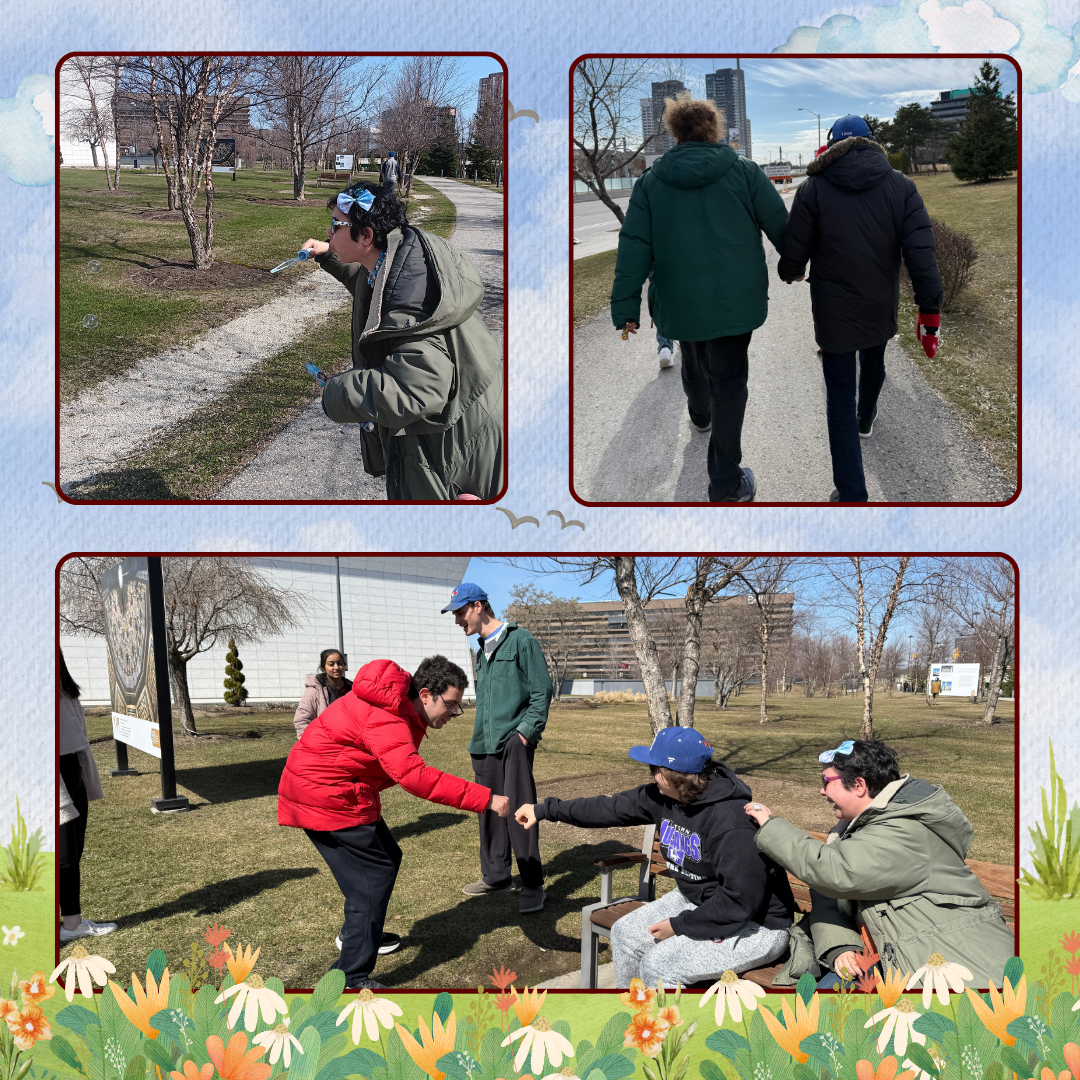
Community-based learning is also important. Programs may incorporate supported outings or practical experiences that help participants apply skills outside the classroom. These experiences strengthen problem-solving abilities and help individuals feel more comfortable participating in their local communities.
Program Options That Respect Individual Needs
Not all adults require the same level of support. Some benefit from full-time programs that combine independent living and work-related learning, while others prefer part-time options that focus on specific goals. Flexibility allows participants and families to choose a pathway that aligns with energy levels, interests, and long-term plans.
Why These Programs Matter in Toronto
Access to appropriate support is especially important in a large urban environment. Day programs for adults with special needs in Toronto help individuals navigate public transportation, community services, and social spaces that are part of city life. Learning these skills with guidance builds confidence and reduces reliance on family members over time.
More importantly, these programs affirm that learning does not stop at graduation. Adulthood is a phase of continued growth, and with the right support, adults with cognitive impairment can keep developing skills that lead to greater independence and self-determination.
Toronto Day Programs Offer Stability and Guidance
The transition out of high school does not have to mean an end to structured learning or personal development. Day programs for adults with disabilities in Toronto offer stability, guided practice, and respectful support during a critical life stage. In Toronto, these programs help adults continue building independence, confidence, and meaningful participation in daily life, ensuring that growth remains possible well beyond the school years.