

The way people work has changed. Offices are no longer the only place where teams get things done. Today, work happens in homes, coffee shops, airports, and shared spaces. This new style of working is called a hybrid work model. It mixes remote work with office work. Employees get the flexibility to work from anywhere while still staying connected to their teams.
But there is one big question. How can businesses make hybrid work smooth, secure, and fast? The answer is cloud computing. Cloud makes it possible to share files, attend meetings, run software, and handle projects without being limited by a single location. It removes the barriers of distance and helps teams perform at their best. According to a survey, more than 94% of the businesses will use cloud computing by the end of 2025.
In this article, we will see how cloud computing supports hybrid work models and why it has become a must for every business.
Cloud Brings Flexibility To Work
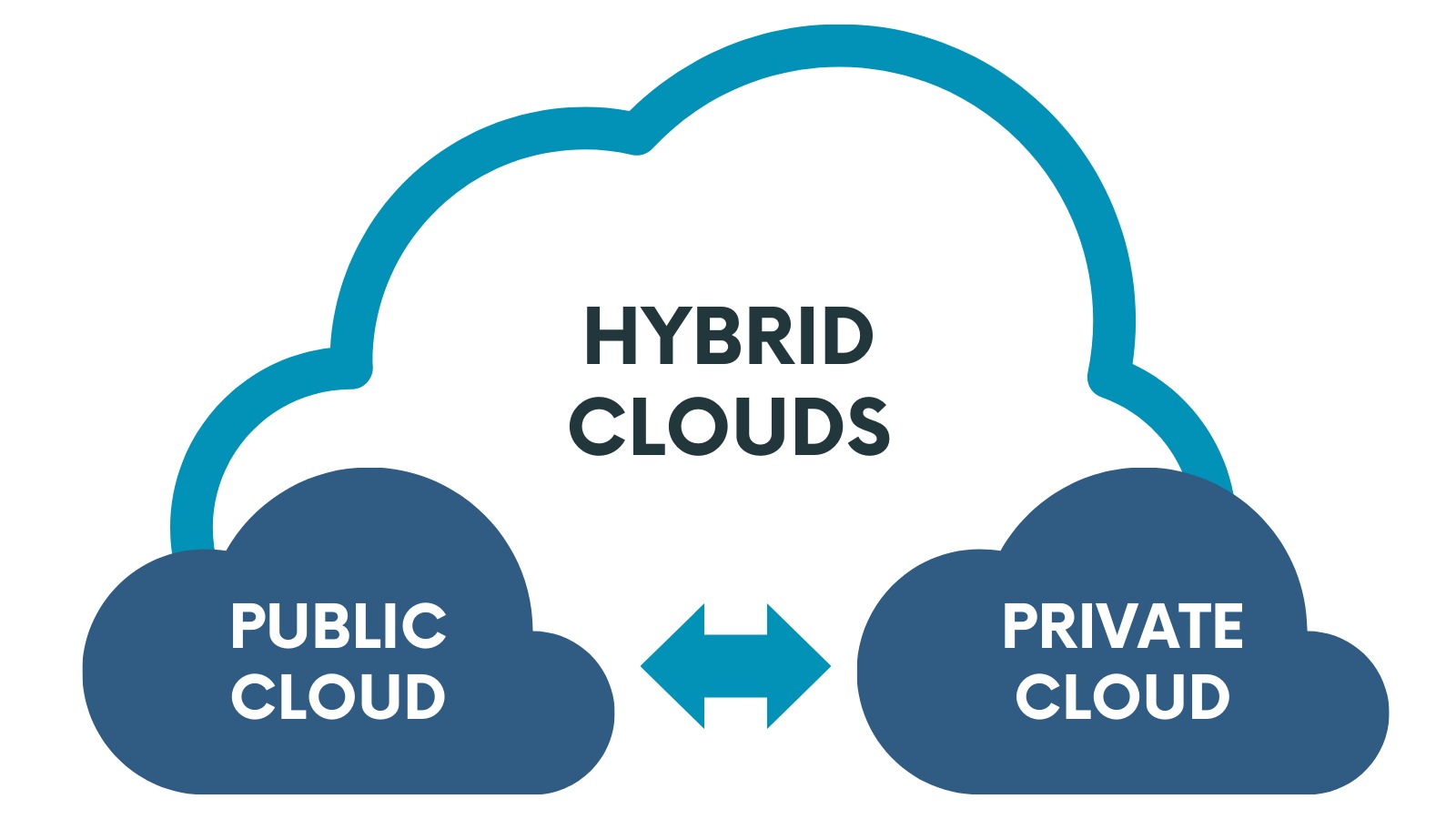
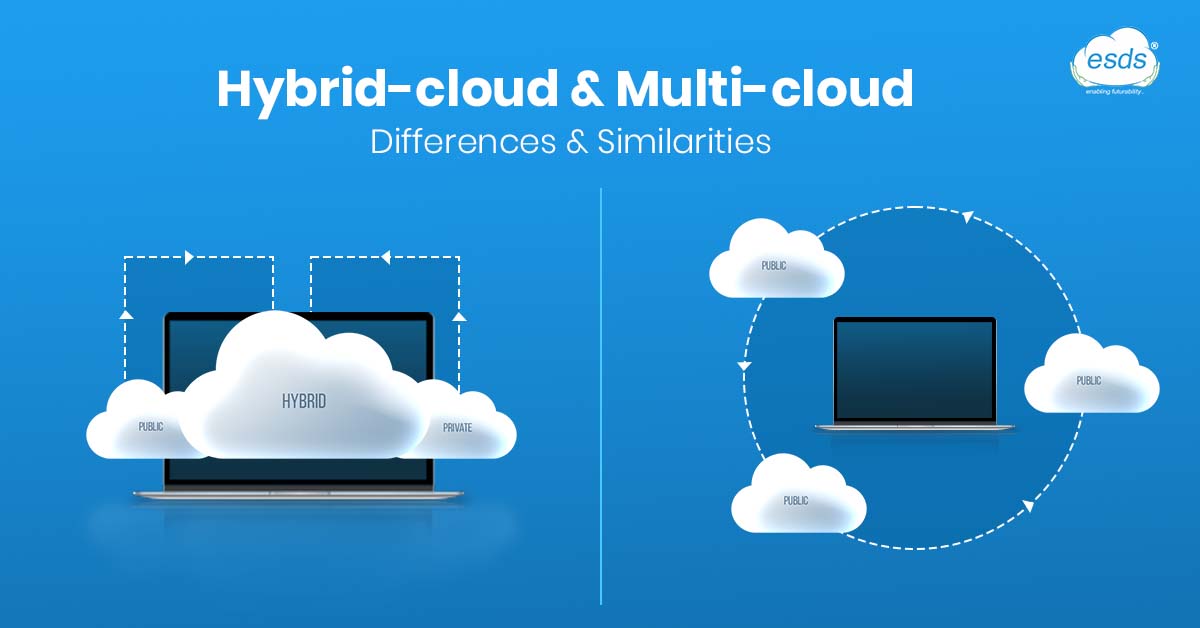
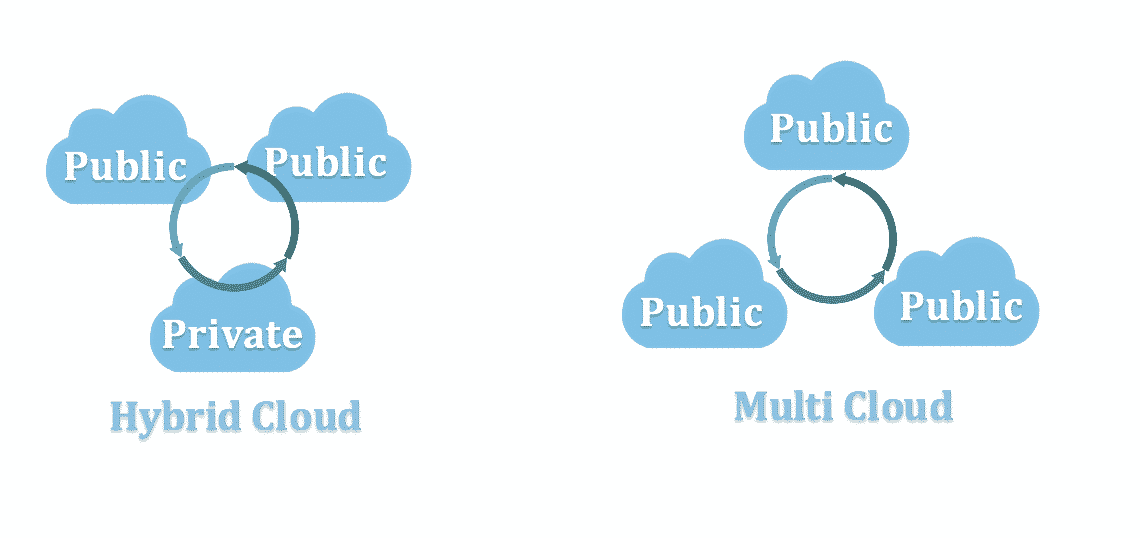
Flexibility is the heart of hybrid work. Employees need tools that work at the office and at home with no interruptions, and different cloud computing types make this possible. These types generally include private cloud, public cloud, and hybrid cloud solutions. Some of their major benefits include:
- Files stay online so people can open them on any device.
- Applications run directly from the cloud without heavy setups.
- Teams can move from one location to another without losing progress.
The process feels smooth because the cloud keeps everything in sync. This helps employees stay productive and keeps businesses moving forward.
Team Collaboration Becomes Stronger
Strong collaboration is the key to success in hybrid work. Cloud tools provide shared spaces where employees can work together in real time.
- Team members can edit documents together.
- Video meetings run smoothly without needing heavy software.
- Project dashboards stay updated for all.
According to a report, the global market of cloud computing is on the rise, with expectations to surpass $1294.9 billion by the end of 2025.
Security And Data Protection Stay Firm
Hybrid work can bring risks if data is not safe. Employees use different devices and networks. Without proper protection, sensitive information may be exposed. Cloud platforms add strong security layers.
- End-to-end encryption locks your files.
- Multi-factor authentication prevents unauthorized access.
- Regular backups prevent loss of data.
Easy Access to Business Applications
Staff require access to numerous tools such as email, customer systems, design apps, and statistics dashboards. Cloud computing puts all such tools online. Staff members are no longer reliant on office desktops.
- They open via a browser or a light client.
- Updates are automatic without manual installs.
- The same version operates for all with error removal.
- This easy access promotes productivity.
For example,
A design professional can retrieve editing software at home. The sales force can look at client information on the move. Work never ceases with the cloud, regardless of where your employees happen to be.
Cost Savings Drive Growth
Hybrid work needs cost control. Organisations shouldn’t be paying for servers or software licenses. Cloud computing is affordable.
- Only what they use is paid for by companies.
- No expensive hardware is necessary.
- Scaling up or scaling down is quick and easy.
These are savings that contribute to growing businesses. Savings on IT infrastructure can be invested in talent building or other projects. Cloud converts technology from a burden on costs to an enabler of growth.
Cloud Helps With Business Continuity
Hybrid work is not free of challenges. Power cuts network issues or sudden office closures can stop work. Cloud helps businesses avoid such breakdowns.
- Data is stored in multiple servers.
- Employees can log in from alternative devices.
- Work continues even if one office is closed.
This reliability is very important for modern businesses. It ensures that no matter what happens, the work goes on. Clients remain happy and businesses stay competitive.
Scalability For Changing Needs
The hybrid work model keeps changing. Some days, more people work from home, and other days, offices are full. Cloud computing supports this changing need with scalability.
- Extra storage can be added when projects grow.
- More users can join tools without delay.
- Businesses can reduce usage when demand drops.
This balance prevents waste and keeps costs under control. Hybrid work becomes sustainable for the long run.
Cloud Supports Innovation
Innovation drives businesses forward. Hybrid work needs tools that allow creativity. Cloud platforms open the door to new possibilities.
- Developers can test new applications quickly.
- Teams can use advanced AI tools.
- Businesses can explore new markets with ease.
With cloud the hybrid model does not just support daily work. It encourages growth and fresh ideas. Companies can innovate faster and stay ahead of competitors.
Conclusion
Hybrid work is no longer a trend; it is the present and the future. Different Cloud computing types support it at every step. From flexibility to security, from collaboration to innovation, the cloud plays a central role. Businesses gain speed, employees gain freedom, and clients gain satisfaction.
When work is not limited by walls or distance, everyone wins. Cloud computing makes this possible. It transforms hybrid work from a challenge into an advantage. That is why every business today sees cloud not as an option but as a necessity.