Every online store owner has experienced this: your website attracts hundreds—or even thousands—of visitors daily, but only a small fraction end up making a purchase. Shoppers come, browse, click around, and leave without adding items to their cart—or worse, they add products but abandon the checkout before completing the order.
This gap between browsing and buying is one of the most pressing challenges for ecommerce businesses. The good news? With the right strategies, it’s possible to re-engage those visitors and turn them into paying customers.
One of the most effective ways to do this is through automated campaigns. Rather than relying on manual follow-ups or one-off promotions, automation ensures that the right message reaches the right customer at the right time. Whether through web push notifications, email marketing automation, or SMS marketing campaigns, automation gives online retailers the tools to nurture browsers into loyal buyers.
In this blog, we’ll explore why shoppers hesitate, how automated campaigns can bridge the gap, and which best practices ecommerce merchants can use to maximize conversions.
Why Shoppers Browse Without Buying
Understanding why visitors leave without purchasing is the first step to fixing the problem. Some of the most common reasons include:
- Price Hesitation – Shoppers compare prices across multiple websites before committing.
- Distractions – Customers often get pulled away by real-life interruptions or digital distractions.
- Lack of Urgency – Without a time-sensitive reason to act, many shoppers delay purchases.
- Complicated Checkout Process – Extra steps or missing payment options can cause abandonment.
- Uncertainty About the Product – Customers may not be fully convinced about the value or benefits.
These challenges highlight why relying on a single follow-up method (like one email) isn’t enough. That’s where automated campaigns across multiple channels come in.
What Are Automated Campaigns?
Automated campaigns are marketing workflows triggered by specific customer behaviors or timelines. Instead of sending every message manually, ecommerce businesses set up rules and triggers that automatically send personalized messages at scale.
For example:
- A shopper adds an item to their cart but leaves → they receive an abandoned cart push notification within minutes.
- A customer signs up for your mailing list → they get an automated welcome email series.
- A flash sale goes live → subscribers receive a time-sensitive SMS alert.
Automation ensures consistency and timeliness, which are both critical for moving shoppers further down the customer journey.
Benefits of automated campaigns include:
- Personalization at scale
- Real-time engagement
- Higher conversion rates
- Improved customer retention
- Reduced manual effort
Key Channels for Automated Campaigns
1. Web Push Notifications
Web push notifications are short messages sent directly to a shopper’s browser, even if they’re not actively on your website. This makes them one of the most effective tools for re-engaging distracted customers.
How they help:
- Cart Recovery: Remind shoppers of products left in their cart.
- Back-in-Stock Alerts: Notify when popular items are available again.
- Price Drop Alerts: Nudge customers who showed interest in a product.
- Flash Sales & Promotions: Drive urgency with time-limited deals.
Because push notifications are real-time, they often see higher click-through rates than email or SMS.
2. Email Marketing Automation
Email remains one of the most reliable channels in ecommerce marketing. With email marketing automation, you can create sequences that nurture customers at every stage of the journey.
Examples:
- Welcome Series: Introduce new subscribers to your brand and top products.
- Cart Abandonment Emails: Send reminders with discounts or reviews to encourage checkout.
- Product Recommendations: Suggest items based on browsing history or previous purchases.
- Post-Purchase Follow-Ups: Encourage reviews, upsells, or loyalty program signups.
While email isn’t as instant as push notifications, it’s excellent for detailed storytelling and personalization.
3. SMS Marketing Campaigns
SMS marketing is perfect for urgent, time-sensitive messages. With open rates above 90%, text messages are a direct way to connect with customers.
Use cases:
- Flash Sale Alerts: Drive immediate traffic during short campaigns.
- Order Updates: Keep customers informed about shipping and delivery.
- Event Reminders: Promote product launches or webinars.
- Cart Recovery Messages: Send a quick nudge with a direct checkout link.
The limitation? Not every customer is willing to share their phone number, so SMS should be combined with push and email for maximum reach.
Combining Channels for Omnichannel Engagement
Relying on a single channel is risky. Some shoppers may ignore emails, while others may not allow push notifications or SMS. By combining all three—web push, email, and SMS marketing—you build an omnichannel strategy that ensures no shopper slips through the cracks.
Example workflow:
Shopper abandons their cart.
- After 10 minutes → They receive a web push notification reminder.
- After 1 hour → An email reminder is sent with product images and a discount code.
- After 24 hours → A short SMS alert reinforces the urgency with a checkout link.
This layered approach increases the chance of conversion significantly while delivering a seamless customer experience.
Practical Examples of Automated Campaigns
Here are some campaign types that consistently deliver results:
1 Abandoned Cart Recovery
- Triggered when customers add items but don’t complete checkout.
- Works best with a mix of push + email follow-up.
2. Product Recommendation Flows
- Based on browsing or purchase history.
- Keeps customers engaged by showing relevant items.
3. Back-in-Stock Notifications
- Drives excitement and urgency for popular products.
4. Price Drop Alerts
- Encourages hesitant shoppers to act when prices go down.
5. Flash Sale Campaigns
- Short-term promotions via push + SMS.
- Create urgency with limited-time offers.
6. Post-Purchase Nurture
- Thank-you messages, loyalty program invites, or upsell recommendations.
Best Practices for Automated Campaigns
To maximize results, follow these key principles:
Segment Your Audience: Don’t send the same message to everyone. Tailor based on behavior, location, or purchase history.
- Personalize Messages: Use names, past purchases, and dynamic content to increase relevance.
- Respect Frequency: Too many notifications can cause unsubscribes. Test the balance.
- A/B Test Campaigns: Experiment with timing, messaging, and offers to optimize conversions.
- Measure and Iterate: Track open rates, click-throughs, and conversions to refine campaigns.
- Mobile Optimization: Ensure all messages (especially email and SMS) are mobile-friendly.
Conclusion
Traffic without conversions is a wasted opportunity. Shoppers may browse casually, but with the right automated campaigns, you can guide them back, nurture their interest, and turn them into loyal buyers.
By leveraging web push notifications, email marketing automation, and SMS marketing campaigns in a unified strategy, ecommerce merchants can recover abandoned carts, increase conversion rates, and deliver a seamless customer engagement journey.
Automation doesn’t just save time—it creates consistent, personalized experiences that drive long-term growth.
If you’re an ecommerce merchant, the question isn’t “Should I use automated campaigns?” but rather “How quickly can I set them up to start converting browsers into buyers?
What is mastering the 3 best Prestashop modules actually mean?
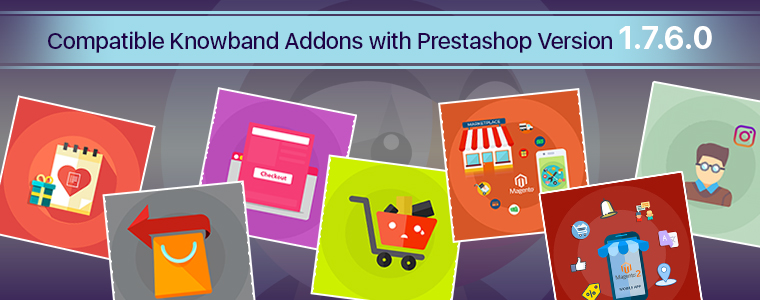
Well, when it comes to these 3 best Prestashop modules by Knowband, you should master the art of configuring them for best results.
In this blog, we will look forward to the 3 best Prestashop modules by Knowband that have made a commendable difference for eCommerce merchants and their businesses.Let us go and take a look at these 3 best Prestashop modules by Knowband below.
The effectiveness of Prestashop's abandoned cart recovery email addon is entirely reliant on the performance of your emails.
The technology makes it simple to reconnect with lost clients who can yet be won back with a solid recovery strategy.
The Prestashop platform produces an Order ID for each order during the checkout process.