


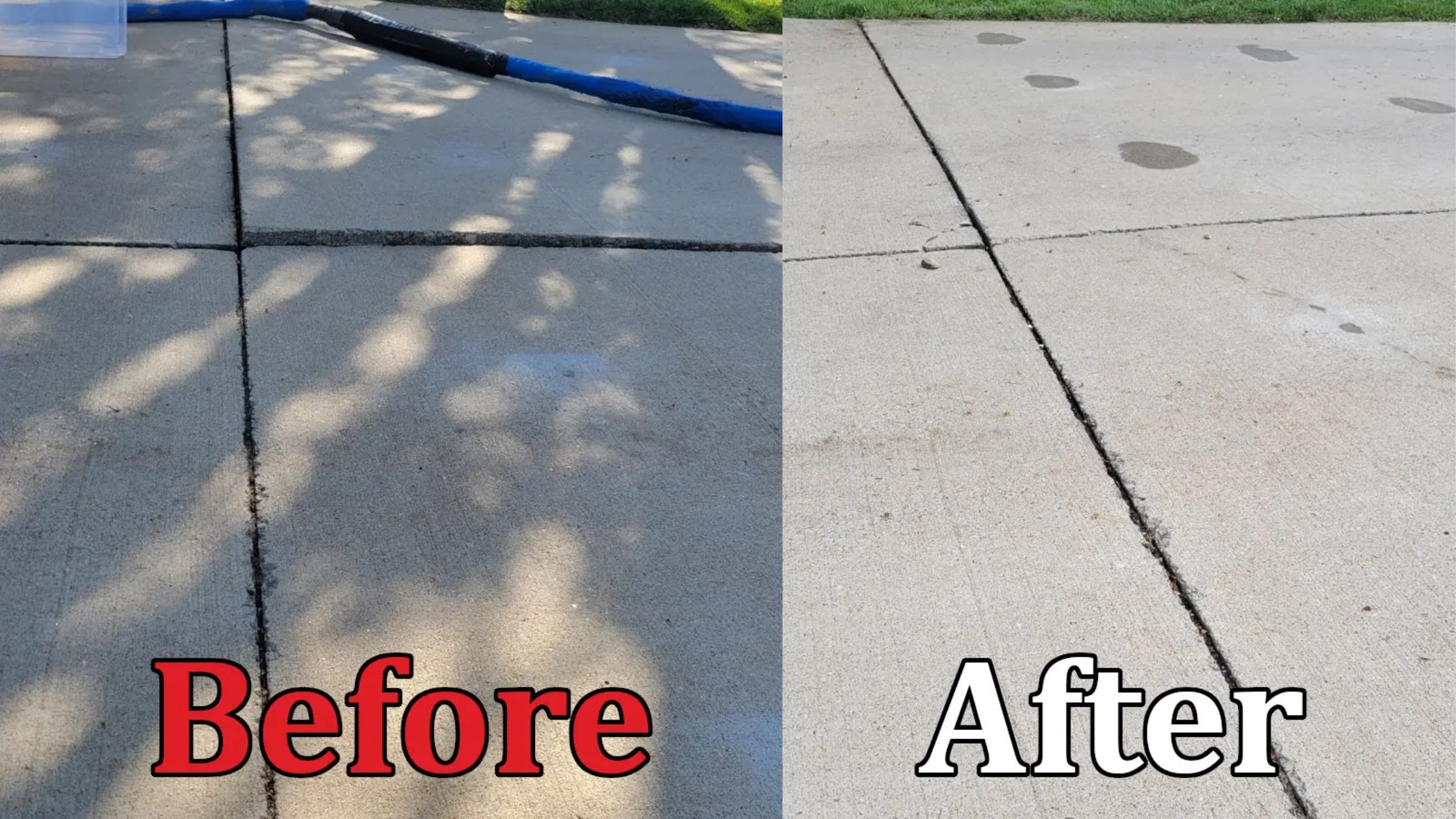
A driveway might look solid for years. The surface appears smooth. Cars roll over it every day without trouble. Then one day a small crack appears near the edge. A faint dip shows up where the tires rest. At first, it seems harmless. The surface still works. Yet under the concrete, a slow and hidden process may already be in motion.
Driveways sit on a base of compacted soil or gravel. That base is what gives the slab its strength. Over time, water finds its way through small gaps or joints. The soil beneath begins to move. Sometimes it washes away. Other times it compresses under weight. This movement is called erosion, and it is almost always quiet. It does not announce itself until the damage is already serious.
Erosion does not care if the concrete is new or old. It can happen within a year of pouring if the soil was not prepared well. People who act early often save thousands in later costs. For many homeowners, the first sign that something is wrong comes when they search for Concrete Driveway Repair and discover the true source of the problem.
The Freeze-Thaw Cycle
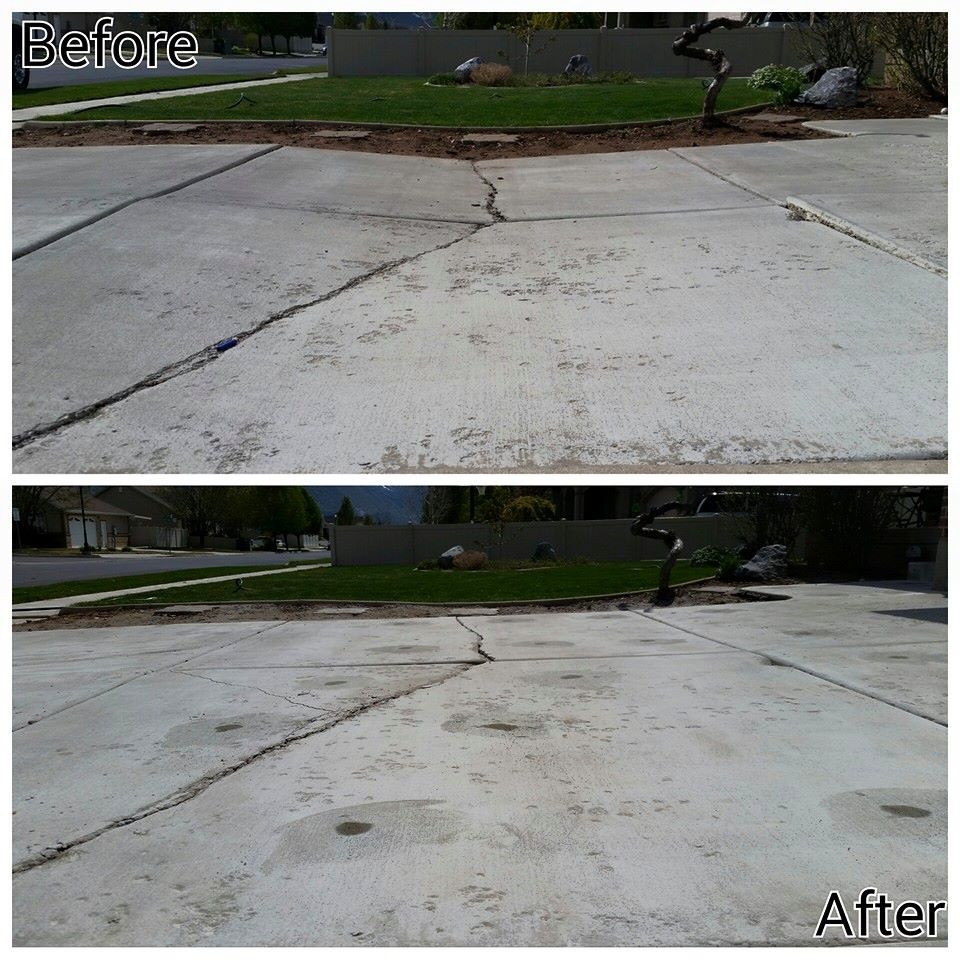
In colder areas, the freeze-thaw cycle adds another layer of stress. When water under the slab freezes, it expands. That expansion pushes the slab upward. When it thaws, the slab drops again. This constant movement breaks apart the soil base and widens any cracks in the surface.
Over many winters, the damage compounds. The slab may tilt toward one side. Joints between slabs open up, making them more vulnerable to future water entry. Once this cycle takes hold, repairs become more complex.
The Role of Load and Pressure
Driveways are built to hold weight, but every slab has limits. The soil under the slab also has a limit. Large vehicles or heavy loads can speed up erosion by pressing the slab deeper into softened soil. Even normal vehicle use can cause settlement if the soil is already weakened from water damage.
When the slab shifts under pressure, the stress often causes hairline cracks to appear. These small cracks act like open doors for water. Once water finds a way in, it accelerates the erosion.
Signs That Erosion Is Already at Work
Many homeowners do not realize erosion is happening until they see visible damage. Common signs include:
A dip in one section of the driveway that collects water after rain
Cracks that seem to get wider each season
Raised edges between slabs creating a trip hazard
Soil gaps along the edges where the base has pulled away
Unusual vibrations when driving over certain spots
If these signs are ignored, the surface damage will spread. In severe cases, the slab may break apart completely.
The Problem with Waiting Too Long
The longer erosion goes unchecked, the more difficult it becomes to repair. Small voids under the slab can often be filled to restore stability. Large voids require more material and a more complex process. If the slab has cracked into multiple pieces, lifting may no longer be possible and replacement becomes the only choice.
Waiting can also create safety issues. Raised or sunken slabs can catch a shoe or trip a guest. In colder months, pooled water in low spots can freeze into slippery patches. These hazards add legal risks for property owners.
How Modern Repair Methods Stop the Process
Modern repairs focus on both lifting the slab and stopping the erosion that caused it. The first step is locating the voids under the surface. Professionals drill small holes into the slab and use them as injection points.
One proven method is the use of polyurethane foam. This material expands after injection, filling every gap under the slab. As it expands, it lifts the concrete back to its original position. The foam then hardens, creating a strong and stable base. Its closed-cell structure resists water, preventing future erosion in the repaired area.
The Value of Early Action
Stopping erosion early has clear benefits. It preserves the existing concrete, avoids costly replacements, and keeps the driveway safe. Addressing the problem before cracks and dips spread also protects nearby structures. Driveways often connect to sidewalks, garage floors, or patios. If one section drops, it can stress the next, spreading the damage.
Regular inspections help spot trouble before it grows. A professional can check for signs of soil movement, drainage problems, or surface cracks. Acting on their advice right away is the most cost-effective path.
Concrete Raising as a Preventive Option
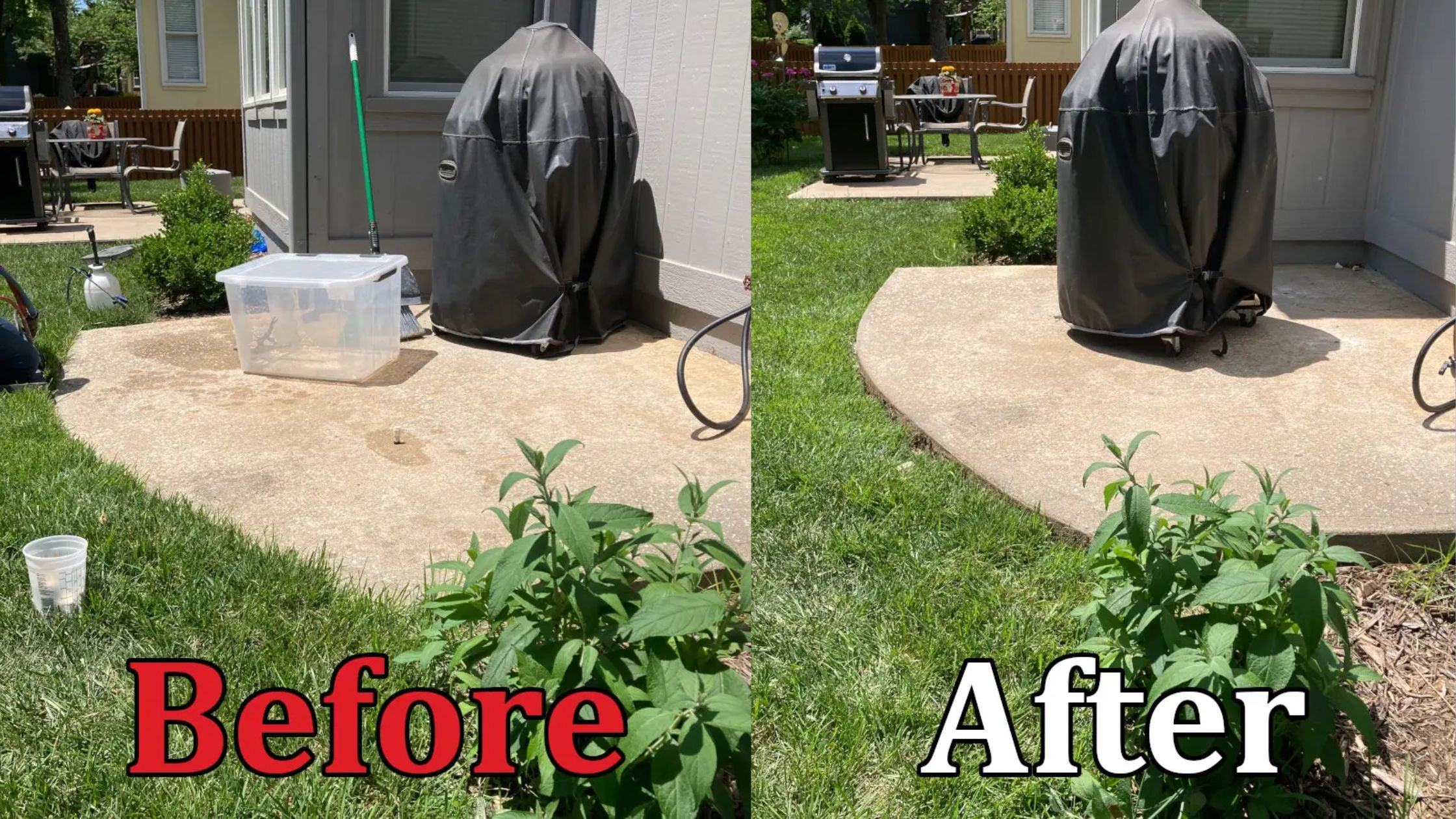
Concrete Raising is often thought of as a repair step after damage has already happened. Yet it can also serve as a preventive measure. If a driveway shows early signs of settling but has not cracked deeply, lifting can restore it before major damage occurs. The lift process fills minor voids, keeping the slab supported and preventing further soil loss.
In some cases, a small early lift can extend the life of a driveway for many years without the need for replacement.
Conclusion
The silent erosion process beneath driveways poses a significant yet often overlooked threat to the longevity and safety of concrete surfaces. By addressing the root causes of soil displacement, such as water infiltration and natural settling, property owners can prevent costly damage and maintain the structural integrity of their driveways.
KC Polylift, a company specializing in concrete repair, employs an innovative polyurethane foam injection technique to stabilize and lift affected slabs. Their approach targets the underlying issues, offering a reliable solution for a range of surfaces, from residential driveways to commercial patios.
This method not only restores functionality but also ensures long-term durability by creating a water-resistant, stable base. Ultimately, proactive measures like these can safeguard properties from the insidious effects of erosion, preserving both aesthetics and safety for years to come.
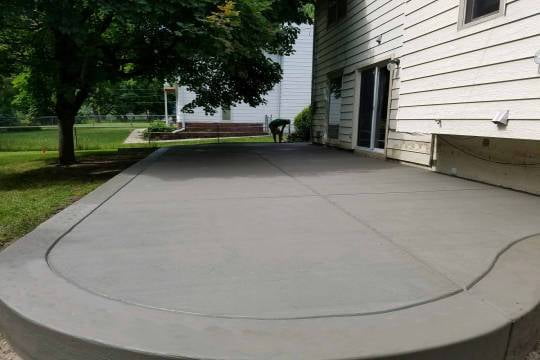
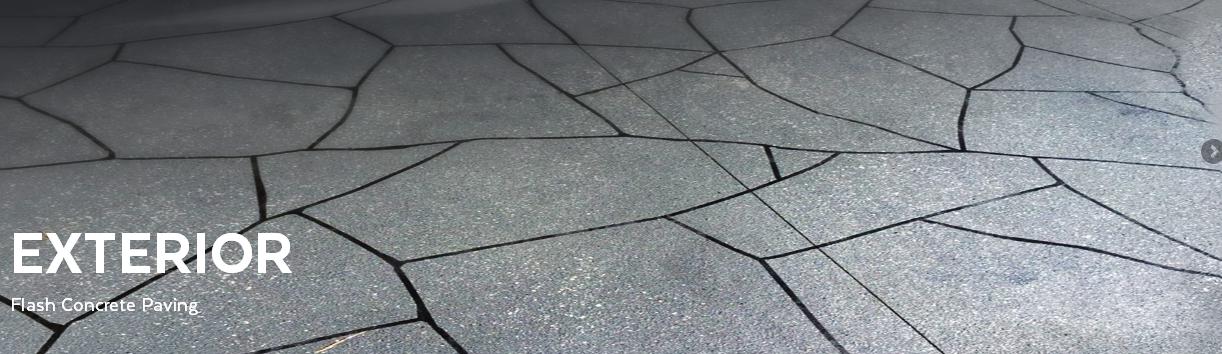
The reasons why homeowners select concrete driveways is clear that concrete is durable, low maintenance, material with a quality appearance.
A variety of colors, patterns and texture gives the homeowner a wide selection of concrete surfaces to choose from.
Covacrete is a new choice offered to property owners whether they are looking for residential concrete surfaces or concrete for commercial spaces.
There are unlimited benefits enjoyed by homeowners who are considering ways to improve and update the exterior of their homes using a new concrete driveway.
In the current scenario home improvement does not refer only to a stylish and modern interior and a well landscaped garden; it is all about creating aesthetically pleasing exteriors that are visible to the visitors before they enter your home.
Concrete as a versatile material is capable of creating quality driveways and ideal for people who think that the exterior of their home is equally important.