Introduction
Precast concrete has changed the way we build structures. It is strong, reliable, and fast. This innovation has become the pillar of the modern construction industry. So what makes it so powerful? The answer is that it is totally dependent on the component being used which gives strength, durability, and reliability.
So this article will take you into the details of what precaste concrete is, what it is made of, and why it matters.
What Is Precast Concrete?
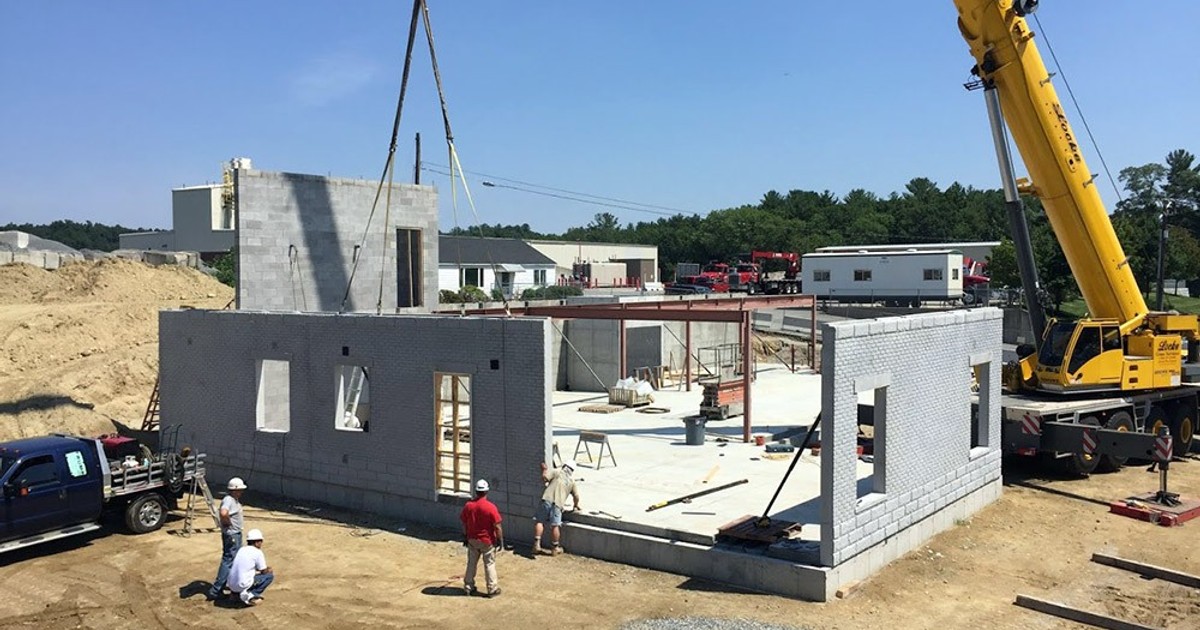
Precast concrete is made under a controlled environment and is not poured on the site. Perfect
Precast concrete demands Molds, precision, and technology to work together.
Once the curing is done, these are transported and put together at the construction site.
Therefore, you receive higher strength, faster completion of projects, and superior quality.
The Core Materials of Precast Concrete?
The hidden truth behind precast lies in its composition. A careful selection of every single component is made to achieve that durability, strength, and performance.
Cement
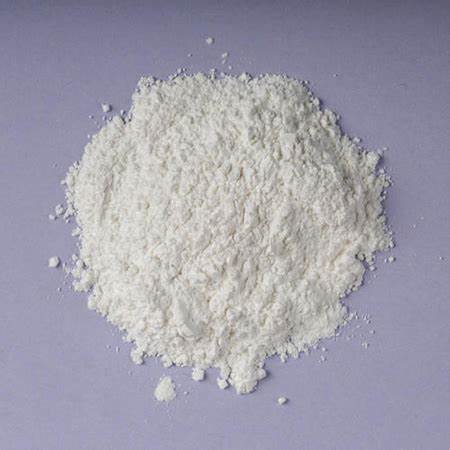
Cement is the soul of precaste concrete. Mostly Portland cement (OPC) is used. It sticks all the other Ingredients together. because cement concrete achieves strength &resilience.
Aggregates
Coarse and fine aggregates are put to use in precast. Crushed stones, gravel, and sand are used in bulk. They give body, eliminate shrinkages, and uplift the toughness of concrete. A superior quality aggregate assures that the concrete can bear heavy loads.
Water
The use of clean& fresh water is vital. It is the right water-cement ratio that will bring strength to the mix. Less water can make it unworkable, and more water may cause weakness. Perfection is the key.
Admixture
Chemical admixtures are a part of modern precast. These enrich the workability, durability, and strength & setting time. Usually, accelerators, water reducers, and superplasticizers are used. These give the concrete the upper hand it needs to meet the challenges of modern constructions.
Reinforcement
Steel reinforcement is built into precast units very often. Meshes, steel wires, and bars boost tensile strength. So concrete not only ensures the resisting of compression but also manages stretching and bending.
Fibers it is optional
Sometimes fibers are added like polypropylene, steel, or glass fiber to enhance flexibility & crack resistance. They upgrade the performance in specialized applications.
Why These Materials Matter?
Every material used in construction plays a role. Cement for strength, aggregates for bulk, and an admixture for uplifting the performance. Reinforcement improves flexibility. All this adds up to make a durable, sustainable, and versatile structure
Precast structures are long-lasting for decades. It can stand the test of extreme weather with a reduction in servicing costs. Its speed and precision are unmatched by the traditional ones.
Advantages of Precast Concrete
Quality control- It is manufactured under well-controlled & strict conditions.
Durability- It is corrosion, fire, and water resistant.
Speed- It offers speedy construction because of ready-to-install units, saving time.
Cost-Effectiveness- The long-term repair and restoration costs are cut down.
Versatility- Used in slabs, columns, beams, walls, and any decorative elements.
Conclusion
So precast concrete is not just a construction material but a clever fix for meeting the standards of modern construction. The key is the perfect gelling of cement, aggregate, water, admixtures & the reinforcements. Each one adds value to the structure.
Precast concrete is heading towards shaping the future of construction, be it bridges, homes, or any commercial or infrastructural project.