


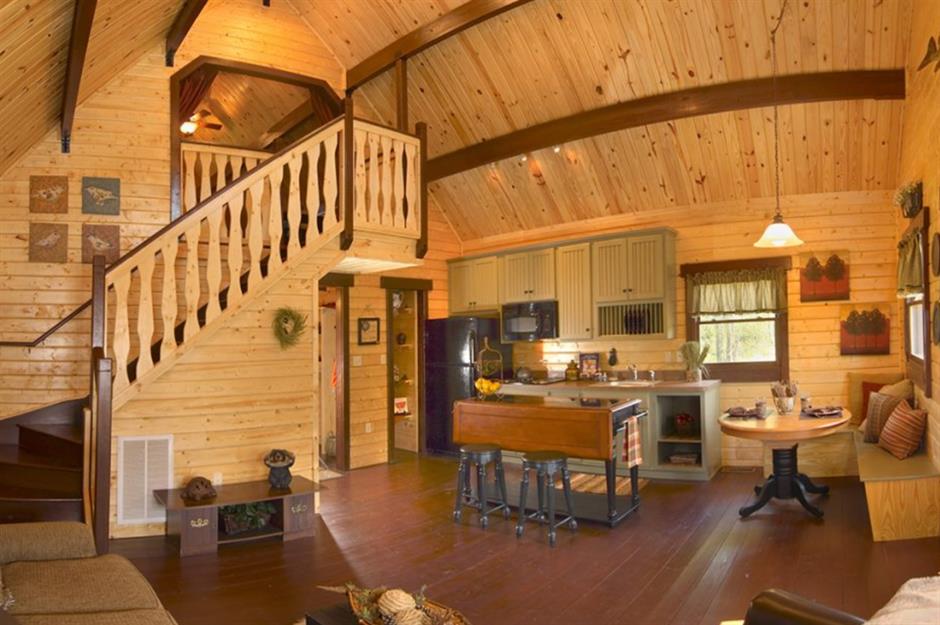
Pre-built cabins are becoming popular all around the world. They are quick to install, affordable, and convenient. Many people use them as holiday homes, guest houses, or even permanent living spaces. But buying a cabin is not something you do in a rush. You must think about several things before making the decision. Planning ahead will save you money, time, and stress.
Location of the Cabin
The first step is choosing where to place your cabin. The land should be level and safe. It should not be too wet or prone to flooding. If the ground is uneven, you may need extra work before installation.
Think about access too. The delivery truck must be able to reach your land easily. Narrow paths or steep slopes can make delivery difficult. Choose a spot that is open, safe, and easy to reach.
Local Laws and Permits
Every area has its own rules. Some places allow cabins as homes, while others only allow them as storage or temporary buildings. Before buying, check the local council rules. You may need a permit. You may also face restrictions on size or design.
If you ignore these laws, you could face fines. In some cases, you might even have to remove the cabin. It is always better to confirm the rules first.
Size and Layout
Pre-built cabins come in many sizes. Some are small, with just one room. Others are larger, with bedrooms, kitchens, and bathrooms. Think about how you plan to use it.
If you only want a weekend retreat, a small cabin may be enough. But if you plan to live in it full-time, you will need more space. Consider the layout too. Do you need a kitchen inside? Do you want separate bedrooms? Make a list of your needs before choosing.
Quality of Materials
Not all cabins are made with the same quality. Some are built with strong, treated wood. Others may use cheaper materials that do not last as long. Always ask about the type of wood, the roof material, and the insulation.
Good materials mean the cabin will last longer. They also mean less maintenance over the years. A strong roof and well-sealed walls protect you from rain, snow, and wind.
Utilities and Comfort
A cabin is more than just walls and a roof. You must think about utilities. Will you connect to electricity, water, and sewage? Or will you use solar panels, wells, and septic systems?
Some cabins are built ready for these connections. Others need extra work after delivery. Always ask what is included. If you plan to stay in the cabin all year, proper insulation and heating are important.
Budget and Costs
Price is always an important factor. Pre-built cabins are cheaper than traditional homes, but they still come at different prices. Small, simple models cost less. Bigger ones with more features cost more.
Do not forget extra costs. Delivery, installation, permits, and utility connections all add to the final price. Plan your budget carefully so you don’t face surprises later. Many people look for Pre Built Cabins Under $30 000 because they are affordable and still provide comfort.
Customisation Options
Many companies let you customise your cabin. You can choose the roof style, the size of the porch, the number of windows, and even the interior finishes. This is useful if you want the cabin to fit your personal taste.
Customisation may cost more, but it makes the cabin feel like your own. Decide which features are important to you and which ones you can skip.
Seasonal Use
Think about how often you will use the cabin. Some people only use them in summer. Others want to live in them full-time. If you plan to use the cabin in winter, make sure it has proper insulation. Double-glazed windows, strong doors, and heating options are important for cold weather.
For hot climates, ventilation and shading are more important. The design should match the weather of your area.
Maintenance Needs
Every cabin needs care. Wood must be sealed or stained every few years. Roofs need to be checked for leaks. Pests like termites can cause damage if you are not careful.
Before buying, ask about maintenance. Some cabins are easier to look after than others. A cabin made with treated wood and a metal roof will need less work than one made with cheaper materials.
Delivery and Installation
Delivery is another key detail. Some companies include it in the price. Others charge extra depending on distance. You should also ask about installation. Will the company place the cabin on the foundation for you? Or will you need to arrange that yourself?
Make sure the delivery path is clear. If there are obstacles like trees or narrow roads, delivery may cost more.
Long-Term Value
A pre-built cabin is not just a short-term solution. If cared for, it can last for decades. Think about the future. Will you use it as a family retreat? Will you rent it out for extra income? Or will it become your main home one day?
A cabin built with quality materials can grow in value. It can also serve as a strong, reliable home for many years.
Final Thoughts
Buying a pre-built cabin is an exciting step. It gives you freedom, comfort, and a connection to nature. But before you buy, think carefully about all the details.
Check the land, the laws, and your budget. Choose the right size and layout for your needs. Make sure the materials are strong and the cabin is built to last. Plan for utilities and seasonal use. And always ask about delivery and installation.
With careful planning, your cabin will be more than just a building. It will be a place of peace, joy, and lasting memories.


Healing is a holistic process that requires caring, precautions and perhaps, a few blessings too, but the first, most critical step is to manage the wound and this is why you need relevant wound-care products.https://www.wound-care.co.uk/news/things-to-consider-before-buying-wound-care-supplies/

Things to Consider Before Hiring A Web Development CompanyWith every passing day, more and more businesses are realizing the need of having their website on the Internet.
So, how can you make sure that you choose the perfect web development company for your website building and designing?In this article, I will give you a few tips which will help you out.Let's get started.We will divide these tips into two sections-The core activities the company executes-#1.
Many times, the developers don't care about the big picture, they just focus on their style of coding and handing in the work without caring much about the core requirements of the clients.Good developers take care of the needs of the clients and give solutions that help the clients in producing profitable outcomes for their businesses.
Research and developmentThe company which focuses rigorously on its research and development initiatives is the one which stays up-to-date with the latest trends and technologies emerging in the industries.
It must make the deliverables happen on the assigned time and date.#3.
User-friendlinessThe company you go for must develop websites in a way that any visitor is easily able to access your website with the least difficulty.#4.

There are lots of social media and instant communication apps in the market today.
Their popularity comes from the fact that messaging has become important to phone usage.
Mobile application developers meet a tough competition with every niche building their own version to facilitate internal and external communication.
So, one must consider a lot of things before developing a messaging app that is successful.In this post, we discuss some important aspects of building a new mobile application.
It can be very useful for those just starting out in the business of app development and searching for answers online.
We will guide you through the entire process to create something that is relevant, competitive, and desirable by users.Originally Published: 6 Things To Consider Before Developing A Messaging App