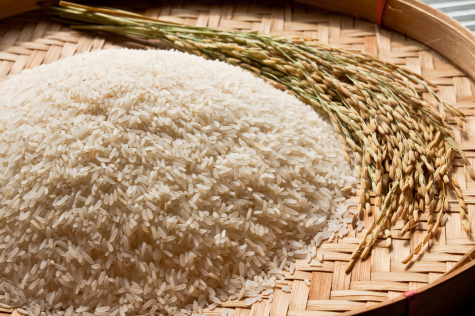


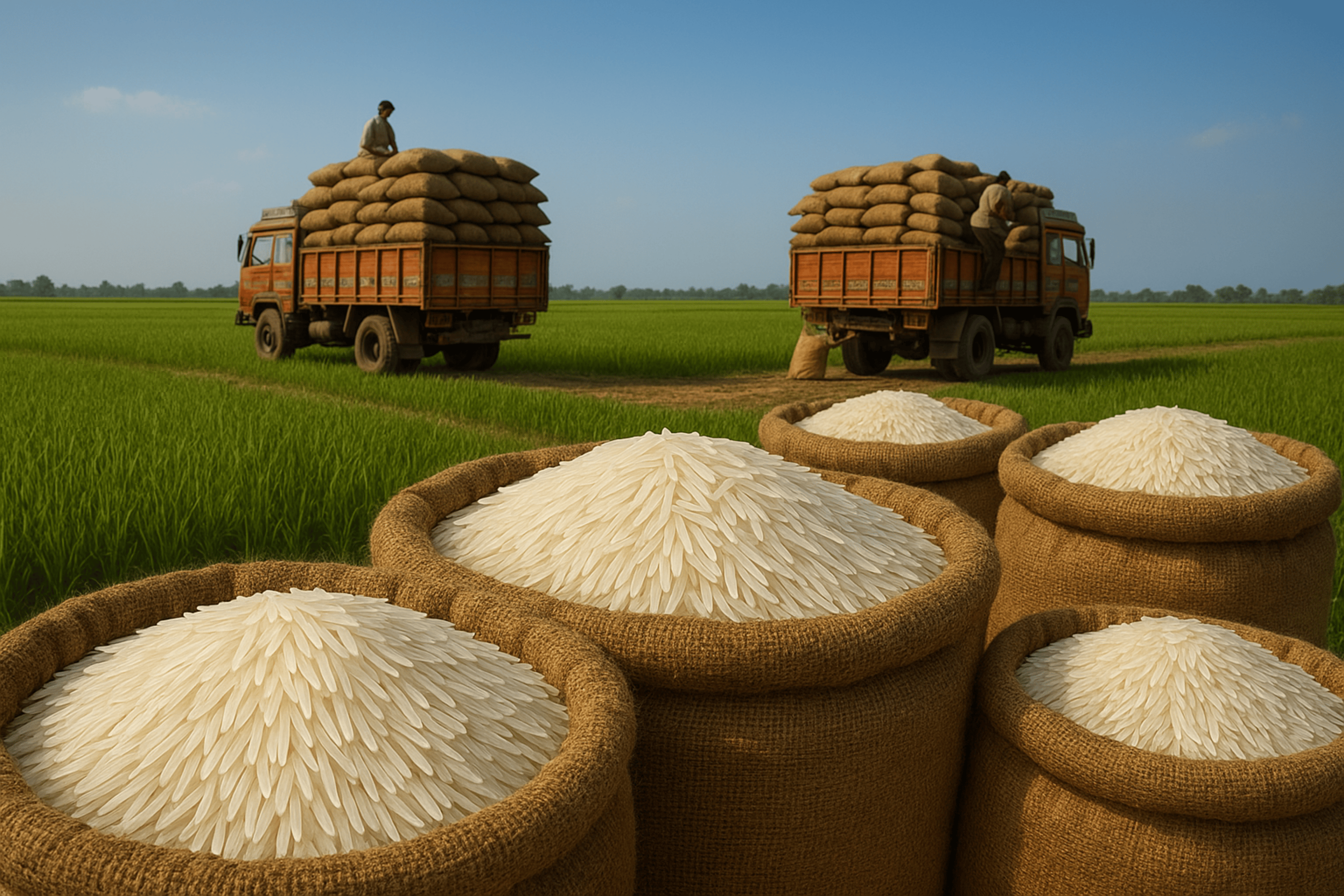
Your menu's signature biryani, your best-selling ready-to-eat meal, or your retail shelf's premium offering—they all hinge on one critical ingredient: the rice. For businesses worldwide, India is a powerhouse, supplying over 40% of the world's rice exports, including the coveted Basmati. But not all suppliers are created equal. A misstep in choosing your partner can lead to inconsistent quality, shipment delays, or even compliance nightmares.
Sourcing from India isn't just about finding the lowest price; it's about building a relationship with a supplier who guarantees reliability, quality, and transparency. To ensure you partner with the best, here are the five essential questions you must ask before signing any contract.
1. Can You Provide Detailed Certifications and Food Safety Documentation?
This is your non-negotiable first line of defence. In the age of stringent global food safety standards, paperwork is paramount. A reputable supplier will readily provide their FSSAI (Food Safety and Standards Authority of India) license, which is mandatory for all food businesses in India. For exporters, APEDA (Agricultural and Processed Food Products Export Development Authority) registration is crucial, as it governs the quality of agricultural exports.
Beyond these, ask for:
Certificates of Analysis (CoA): Lab reports for each batch checking for pesticides, heavy metals (like lead and cadmium), and aflatoxin.
Quality Certifications: ISO 22000 or HACCP certifications indicate a robust food safety management system.
Why it matters: According to a 2021 report by the European Union's Rapid Alert System for Food and Feed (RASFF), food fraud and contaminants remain a key issue for imported foods. Proper documentation is your proof of due diligence and protects your brand from legal and reputational risk.
2. What is Your Sourcing and Traceability Process?
Where does the rice actually come from? The answer defines its authenticity and quality. True Basmati rice, for instance, is a Geographical Indication (GI) tagged product, meaning it must be grown in specific regions of Northern India and Pakistan.
A supplier who is transparent about their supply chain can ensure consistency and authenticate premium products like traditional Basmati rice varieties (e.g., Pusa 1121, 1509, Basmati 370). This traceability is also vital for managing recalls if an issue ever arises.
3. How Do You Handle Quality Control and Grading?
The term "Premium" is overused. You need to understand the technical grading. Rice quality is measured by its average grain length, the percentage of broken rice grains, moisture content, and age (for Basmati, aged rice is superior).
Suppliers with in-house quality labs and modern optical sorters can provide precise data and guarantee that the sample you approve is what lands in your port.
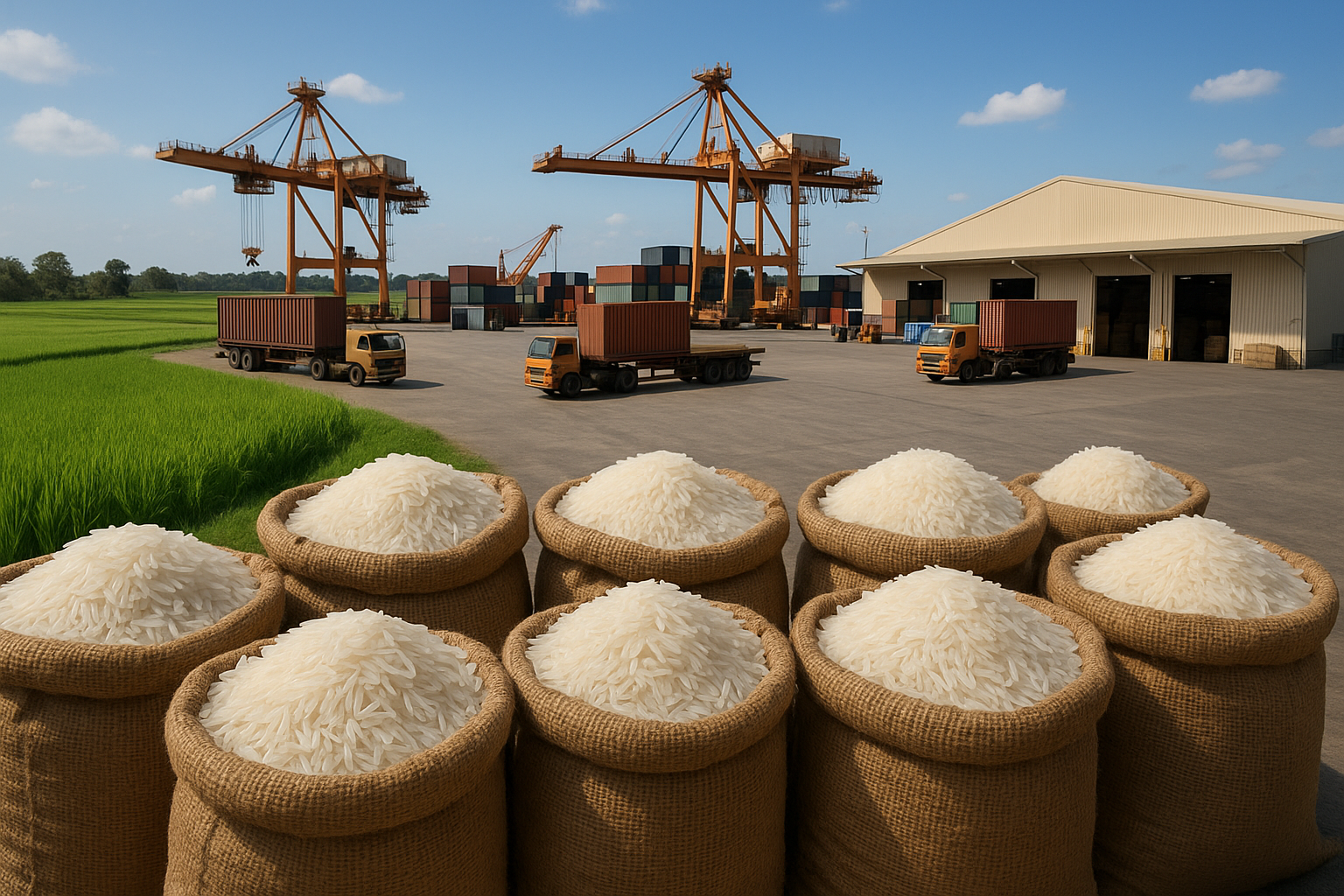
4. What Are Your Logistics, Packaging, and Shipping Capabilities?
The journey from a warehouse in Punjab to your facility is a complex process. How your rice supplier handles logistics speaks volumes about their experience and expertise.
Discuss:
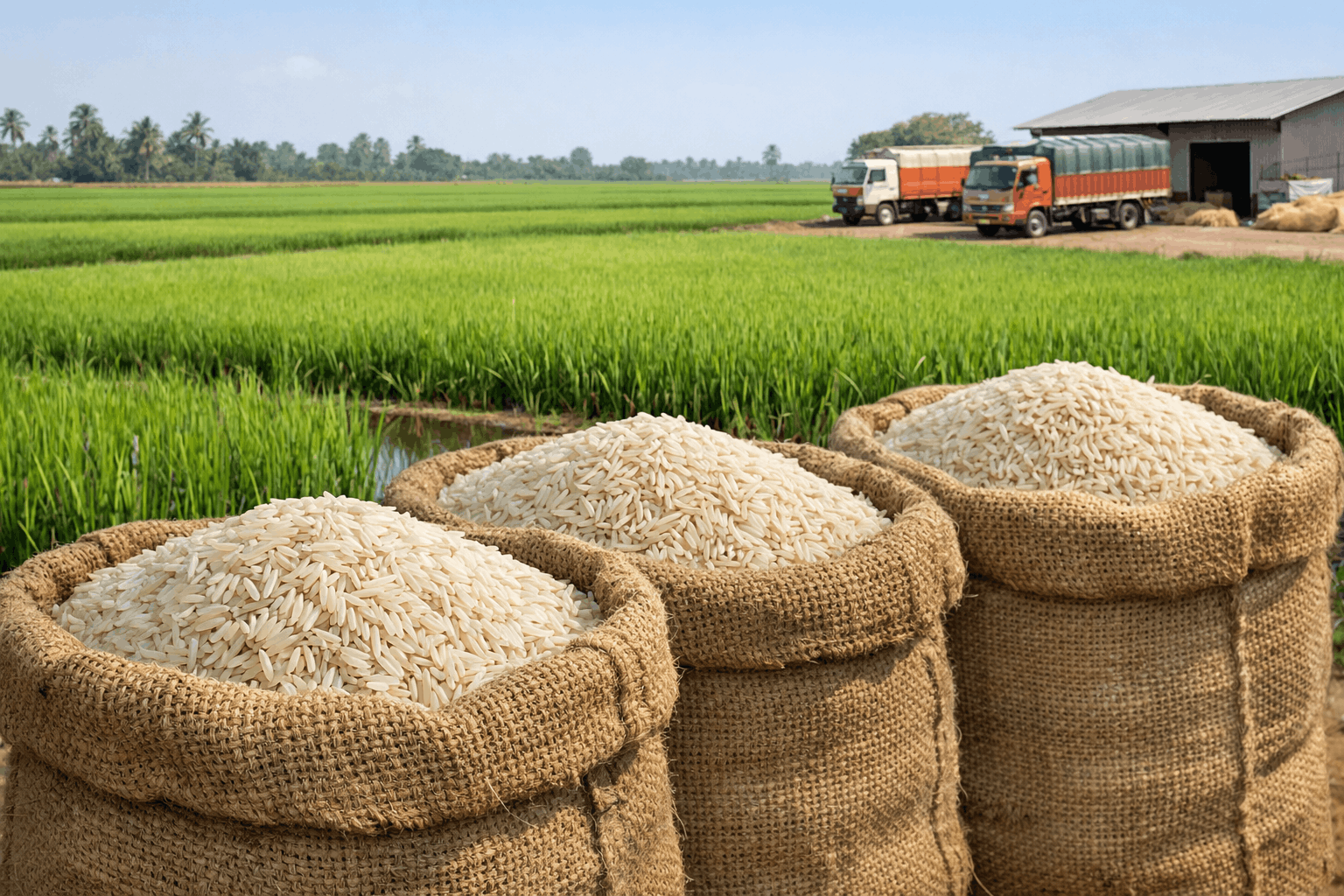
Packaging: Is it jute bags, woven polypropylene, or vacuum-sealed? The right packaging prevents moisture and spoilage.
Shipping Terms: Clearly understand Incoterms (like FOB or CIF) to know who is responsible for costs and risks at each stage.
Documentation: Ensure they handle all export documentation, including the Certificate of Origin, phytosanitary certificate, and bill of lading.
An experienced agricultural exporter will have strong relationships with freight forwarders and a deep understanding of the required export documentation, ensuring a smooth customs clearance process.
5. What is Your Pricing Structure and What Does It Include?
A surprisingly low price often comes with surprisingly high hidden costs. Always request a detailed breakdown of the FOB (Free On Board) value or CIF (Cost, Insurance, and Freight) value.
Clarify if the quoted price includes:
Packaging costs
Inland transportation to the port
Port fees and terminal handling charges
All export documentation fees
Also, discuss Minimum Order Quantity (MOQ) and payment terms. Transparency here is the hallmark of a trustworthy partner in the global food supply chain.
Asking these questions transforms your sourcing process from a simple transaction into a strategic partnership. It shows suppliers that you are a knowledgeable and serious buyer. By prioritizing verified quality, transparent sourcing, and professional logistics, you secure not just a shipment of rice, but the foundation of your product's success. Start with these questions, request samples, and build a relationship that will nourish your business for years to come.