Introduction to Surface Finish in Chrome Rods
Surface finish in chrome rods is more than an aesthetic concern. It is a functional characteristic that defines how the rod interacts with seals, bearings, and hydraulic fluid. A precisely finished surface minimizes friction, reduces wear, and enhances the efficiency of hydraulic and mechanical systems. Without controlled finishing, even the strongest substrate material cannot perform to its full potential.
The Importance of Surface Roughness
Surface roughness is a critical metric in evaluating chrome rod performance. A low Ra value—commonly 0.2 micrometers or less—ensures smooth contact between the rod and the sealing system. This reduces the risk of micro-abrasion and prevents premature failure of seals. If the roughness exceeds acceptable thresholds, the result is accelerated wear, leakage, and system inefficiency. Engineers view roughness as a safeguard, protecting against both mechanical damage and energy loss.
Methods of Achieving Precision Surface Finish
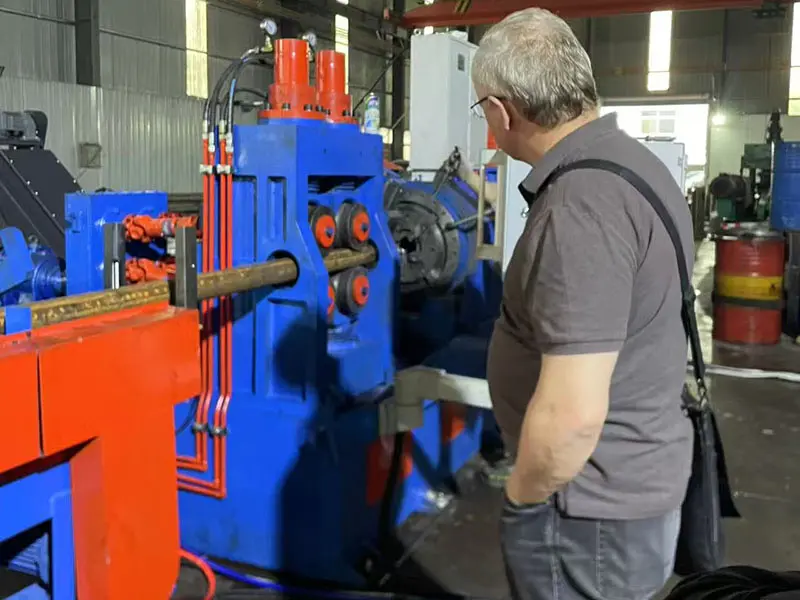
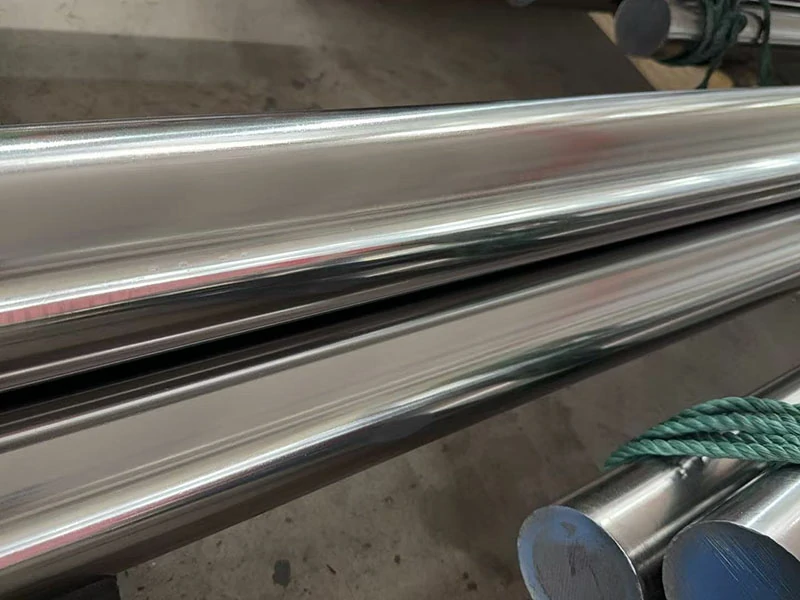
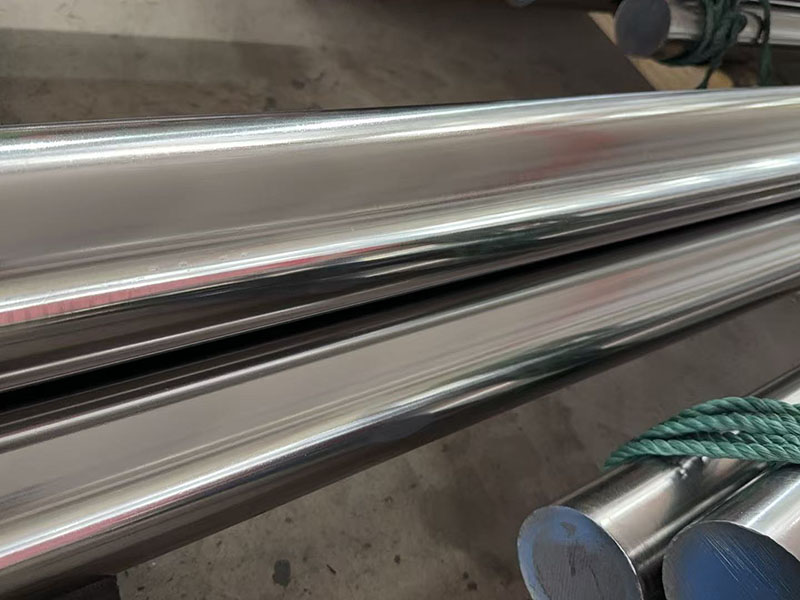
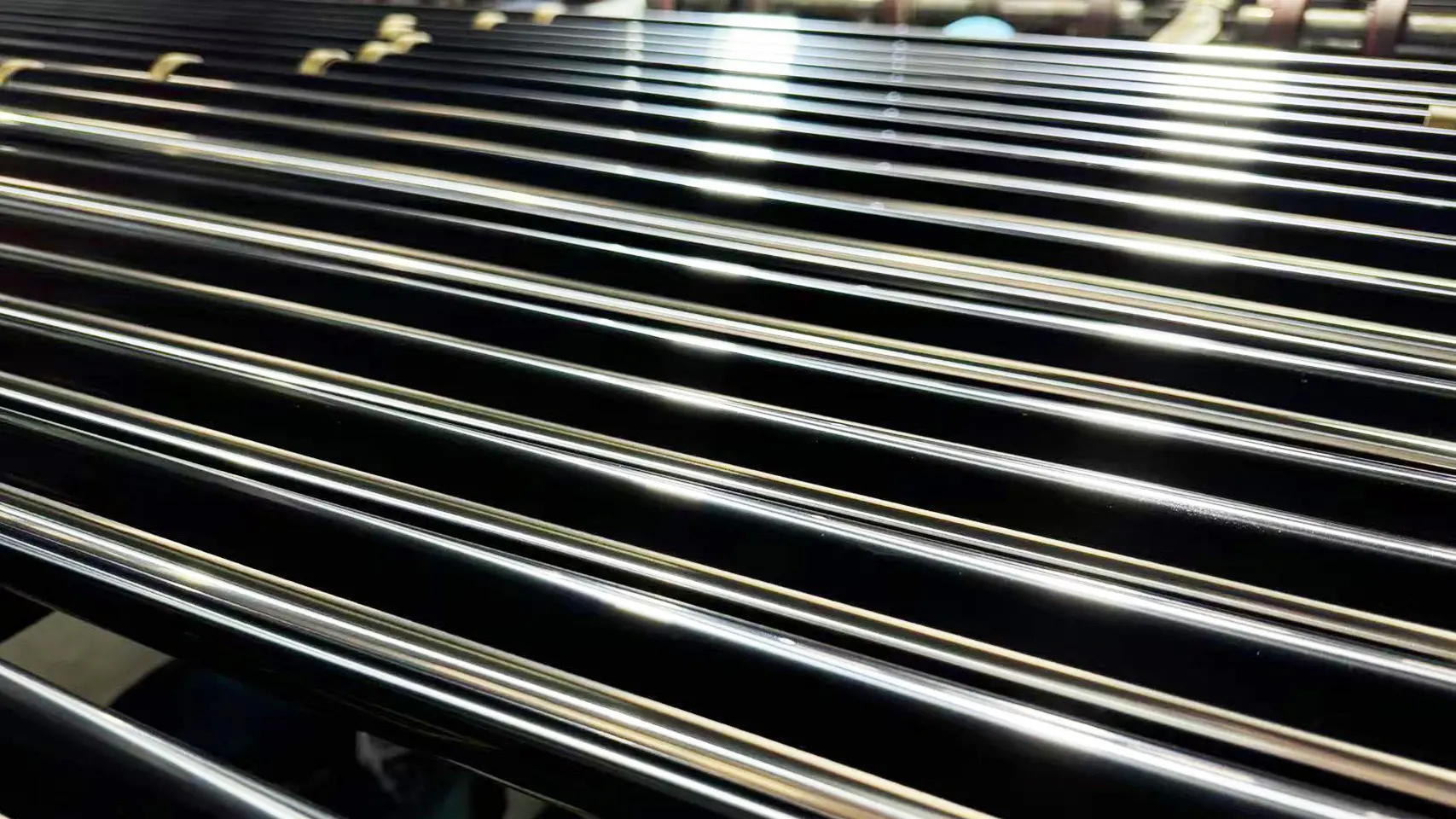
The production of a chrome rod with superior surface finish requires a sequence of controlled operations. Initial peeling removes scale and surface defects from the raw bar. Precision grinding follows, correcting straightness deviations and establishing dimensional tolerances. Polishing and super-finishing steps refine the surface to its final smoothness, creating a mirror-like appearance. The hard chrome plating process itself, when applied evenly and finished with post-polishing, creates the protective outer layer that resists corrosion and wear. Each phase is interdependent, and quality at one stage determines the success of the next.
Influence on Hydraulic Performance
The link between surface finish and hydraulic performance is direct. A finely polished rod allows seals to glide without generating excessive heat or drag. This improves energy efficiency within the hydraulic cylinder and ensures consistent actuation over long duty cycles. Furthermore, a precise finish diminishes the likelihood of scoring or pitting, which can compromise fluid integrity. By maintaining stable fluid film conditions, surface finish contributes to predictable motion and extended service life of the system.
Surface Hardness and Plating Thickness
Surface finish must be considered alongside hardness and chrome plating thickness. While a glossy finish reduces friction, it is the hardness of the chrome layer—typically between 850 and 1150 HV—that defends against abrasion. Chrome thickness, usually 20 to 30 micrometers, provides sufficient barrier properties for most applications, though harsher conditions may demand thicker coatings. These elements, in concert with the final finish, determine the durability and resilience of the rod under heavy loading and abrasive environments.
Standards and Quality Assurance
International standards such as ISO, ASTM, and DIN provide benchmarks for acceptable surface roughness, hardness, and straightness in chrome rods. Compliance with these standards ensures interchangeability, reliability, and long-term performance. Quality assurance involves surface profilometry, hardness testing, and straightness measurement, all meticulously documented in mill test certificates. The verification of finish quality is not optional; it is a contractual guarantee between supplier and end user.
Surface Finish as a Critical Performance Parameter
The surface finish of chrome rods represents a delicate balance of science and engineering. It dictates the compatibility of the rod with seals, its resistance to environmental stressors, and its efficiency within mechanical systems. A well-controlled finish transforms chrome rods from simple metallic bars into indispensable components that support the operational integrity of entire hydraulic assemblies. For engineers and project managers alike, recognizing the central role of surface finish is fundamental to achieving safety, efficiency, and longevity in demanding industrial applications.
Frequently Asked Questions on Chrome Rod Surface Finish
What does chrome rod surface finish mean?
It refers to the smoothness and precision of the rod’s external surface after grinding, polishing, and chrome plating. It is measured by surface roughness values such as Ra, which directly affect sealing and wear performance.
Why is surface roughness important for chrome rods?
Surface roughness determines how effectively the rod interacts with seals. A fine finish, typically Ra ≤ 0.2 μm, minimizes friction, reduces seal wear, and prevents hydraulic leakage.
What standards define acceptable chrome rod surface finish?
International standards such as ISO, ASTM, and DIN provide specifications for surface roughness, straightness, hardness, and chrome thickness. These benchmarks ensure rods meet industry requirements for hydraulic applications.
How is surface finish measured on chrome rods?
Specialized instruments called profilometers are used to measure Ra values. Inspection may also include visual checks, straightness testing, hardness verification, and chrome thickness measurement.
What is the typical chrome plating thickness on rods?
Most chrome rods are plated with 20–30 μm of hard chrome, though thicker coatings up to 50 μm are available for heavy-duty or corrosive environments.
How does surface finish affect hydraulic cylinder performance?
A smooth finish ensures seals glide without excessive friction, reducing heat generation and energy loss. This extends the service life of both the rod and the hydraulic system.
Can surface finish be customized?
Yes. Reliable suppliers offer customization of roughness, plating thickness, and hardness levels to match specific applications such as mining, marine, or precision industrial machinery.
What happens if the surface finish is poor?
Inferior finishes can cause seal damage, oil leakage, increased friction, and premature rod failure. This leads to higher maintenance costs and system downtime.
How do suppliers guarantee surface finish quality?
Quality assurance includes multi-stage grinding and polishing, controlled plating processes, and final inspection with roughness measurement. Mill Test Certificates usually document these results.
Are induction hardened rods different in surface finish?
Induction hardened rods share similar surface finishing requirements but add a hardened surface layer beneath the chrome. This provides greater resistance to impact and bending while still requiring a smooth outer finish for seal compatibility.