





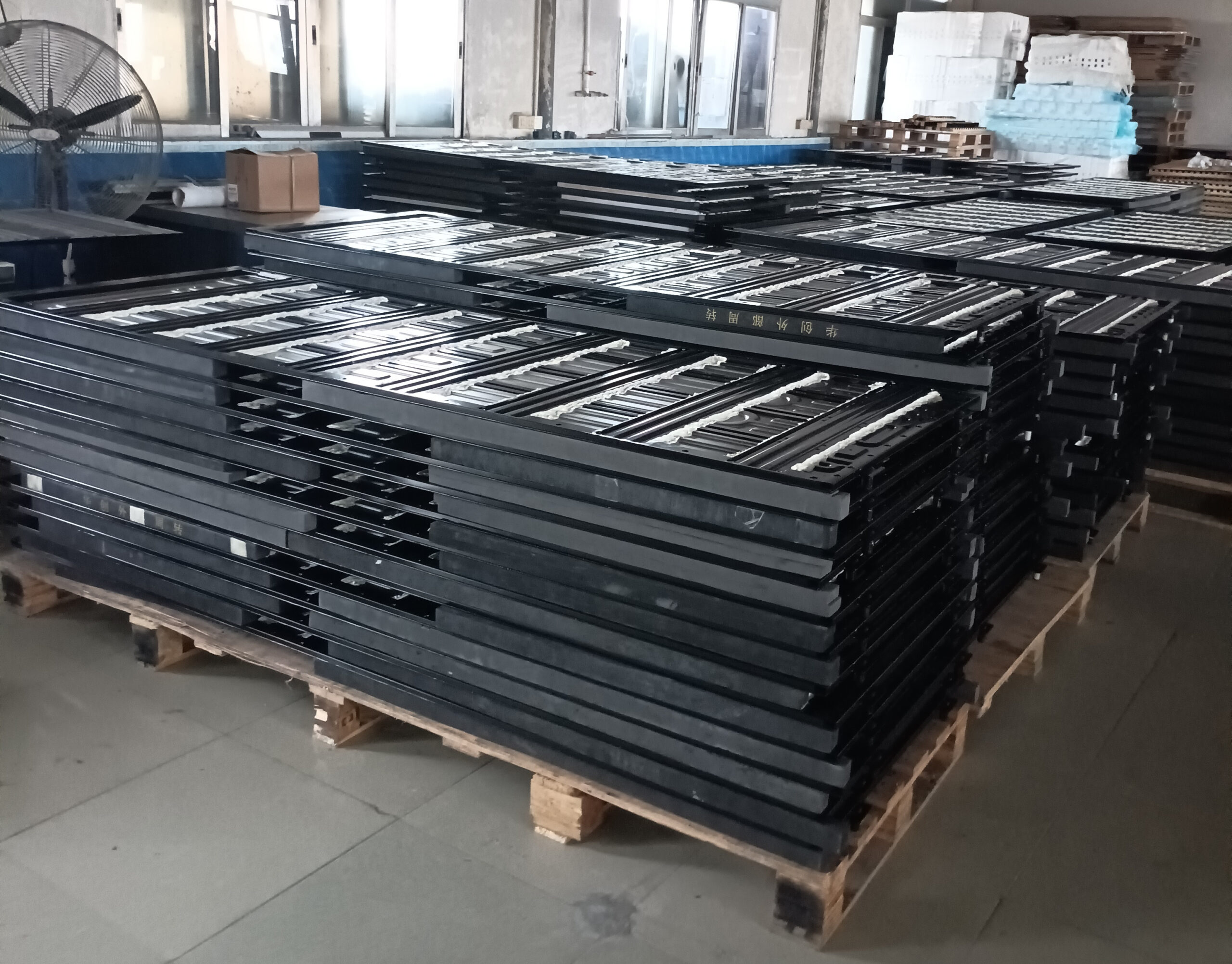
In today’s fast-growing electric vehicle (EV) and energy storage industries, efficient thermal management is critical for battery performance and longevity. One of the most effective solutions is the battery cooling plate, also known as a cold plate. These specialized thermal components are designed to regulate battery temperatures by transferring excess heat away, ensuring stable operation under demanding conditions. At Tone Cooling Technology Co., Ltd., we manufacture advanced battery cold plates that deliver reliability, precision, and efficiency for modern energy applications.
1. Enhanced Battery Safety
Lithium-ion batteries generate heat during charging and discharging. Without proper thermal management, overheating can lead to thermal runaway—a dangerous chain reaction that can cause battery failure or even fire. Cold plates provide a direct liquid cooling solution by circulating coolant through channels in contact with the battery pack. This significantly reduces hotspots and minimizes the risk of overheating, keeping the system safe under various load conditions.
2. Improved Battery Performance
Batteries operate best within a specific temperature range. Deviations from this range can reduce efficiency and increase internal resistance, lowering output. A battery cooling plate ensures uniform temperature distribution across all cells, allowing them to deliver consistent power. This stability is especially important in EVs and hybrid vehicles, where high performance and reliability are essential for acceleration, driving range, and overall efficiency.
3. Extended Battery Lifespan
Heat is one of the leading causes of battery degradation. Constant exposure to high temperatures accelerates chemical breakdown inside the cells, reducing capacity over time. By effectively dissipating heat, cold plates help slow down this aging process. This translates into longer-lasting batteries, reduced replacement costs, and improved return on investment for EV manufacturers and energy storage system operators.
4. Compact and Lightweight Design
Compared to traditional air-cooling methods, liquid-cooled plates are more efficient and compact. They require less space, which allows manufacturers to design sleeker battery systems with higher energy density. The lightweight design of battery cooling plate also reduces overall system weight, which is critical for EVs aiming to maximize driving range and efficiency.
5. Scalability for Different Applications
Battery cold plates are highly adaptable and can be customized to meet the needs of various industries. From electric vehicles and renewable energy storage to aerospace and industrial machinery, cold plates can be tailored for different sizes, flow rates, and thermal requirements. This scalability makes them an ideal choice for both small and large-scale battery systems.
6. Energy Efficiency and Sustainability
Efficient cooling not only enhances performance but also contributes to sustainability. By optimizing energy usage and reducing the need for excessive cooling power, cold plates help lower overall energy consumption. This supports greener technologies and aligns with global efforts to reduce carbon emissions.
Conclusion
The advantages of using cold plates in battery systems are clear: improved safety, enhanced performance, longer lifespan, compact design, and scalable applications. As electric vehicles and energy storage continue to shape the future, advanced thermal solutions like battery cooling plates will play a vital role in ensuring efficiency and reliability.
Explore for more details; visit https://tinyurl.com/mukn5s4f or call now at +86 13358051631 today!


Cooling Plate Manufacturers and Suppliers - Order Cooling Plate DCP-M at Dhiman Engineers.
Our company manufacturers best quality Confectionary Machines in India.Water Cooling tilting type-cooling plate is useful for cooling and mixing of Lollipop/Candy and Toffee batch manually.
The Cooling time is less on this plate then ordinary cooling plate because of continuous circulation of water inside the plate.
If one side become hot, tilting the plate can use the other side.For more info click here: https://www.dhimanindia.com/cooling-plate