


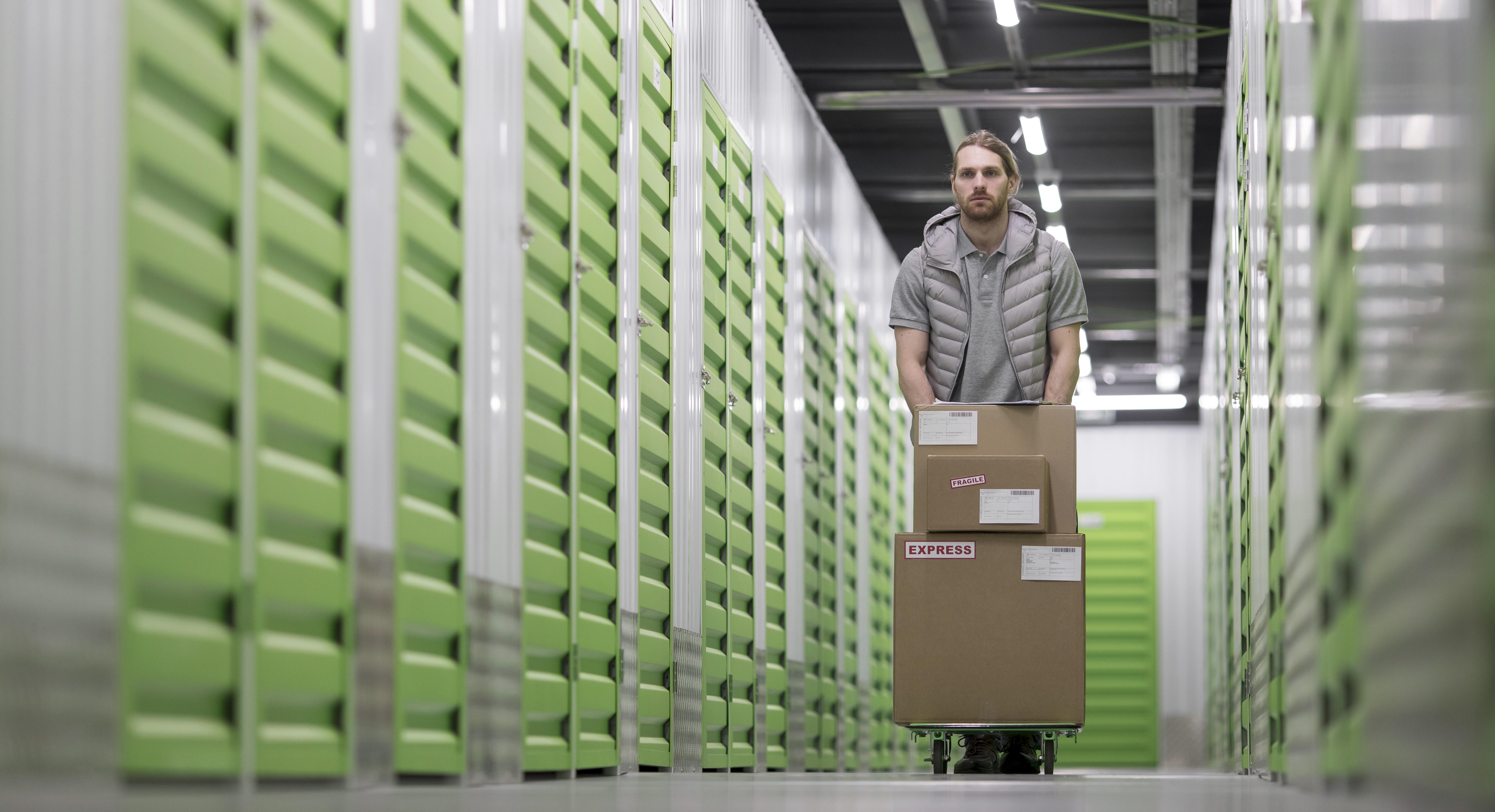
A single drop may not seem like much, but leaks can cause billions of dollars in damage each year. According to industry reports, water damage is among the most common threats to stored belongings. From cardboard boxes to furniture and electronics, even a slow leak can weaken items and ruin them over time.
For storage unit renters, this is a hidden risk that often goes unnoticed, until it’s too late. Having water damage insurance for storage units can help protect your valuables from these unexpected losses.
How Small Leaks Start Big Problems
Leaks don’t always come from dramatic floods or storms. Often, they start small—like a drip from a roof seam, a crack in a wall, or a poorly sealed door. Over time, that drip seeps into boxes, soaks fabrics, and corrodes metal. In many cases, renters don’t notice until they open their unit months later.
Moisture also creates the perfect environment for mold. Mold can spread quickly, staining fabrics, damaging paper, and producing odors that linger. What begins as a minor leak can turn into a full-blown storage disaster.
The Financial Impact of Tiny Leaks
Water damage is one of the leading causes of loss in storage facilities. A slow leak can lead to significant repair or replacement costs. Items like wooden furniture swell, warp, or crack. Electronics corrode internally. Documents stick together or become unreadable. Without proper protection, the financial loss can reach hundreds or even thousands of dollars.
For renters who store valuable goods such as seasonal equipment, business inventory, or heirlooms. This type of damage is more than an inconvenience. It’s a direct hit to both finances and peace of mind.
Why Many Renters Overlook Leak Risks
Many people assume their storage units are fully protected. They may believe that because a facility looks secure and clean, leaks won’t be a problem. But appearances can be deceiving. Units are often exposed to changes in weather, temperature, and humidity. Aging roofs or unsealed gaps may allow small amounts of water in, especially during heavy rain or snowmelt.
Renters also tend to focus on theft prevention with the help of locks, cameras, and alarms, while underestimating environmental threats like water. This creates a gap in their storage strategy.
How Water Damage Insurance Helps
This is where water damage insurance for storage units plays a vital role. It helps cover losses from leaks, seepage, or water-related incidents that might otherwise leave renters paying out of pocket. With the right coverage, renters can store belongings with more confidence, knowing they have a safety net in case of unexpected water damage.
The cost of such coverage is usually minimal compared to the potential loss. For those storing sensitive items, like photos, electronics, or antiques, it’s a small step that makes a big difference.
It’s wise to choose insurance backed by a strong carrier like The Hartford, one of the largest and most trusted insurers in the world. Partnering with such a provider ensures claims are handled efficiently and renters have reliable support when damage occurs, providing true peace of mind.
Practical Steps to Reduce Leak Damage
Insurance is important, but prevention also matters. Simple steps can help reduce risks:
● Keep belongings off the floor using pallets or shelves.
● Use plastic bins instead of cardboard boxes when possible.
● Inspect the unit periodically, especially after heavy rain.
● Avoid storing items that are extremely sensitive to moisture without proper protective casing.
● Report any signs of dampness to the facility promptly.
These steps won’t stop every leak, but they can limit the damage and make it easier to claim insurance if needed.
Storage Facility Maintenance Matters
While renters have responsibilities, the facility also plays a big role in preventing leaks. Routine maintenance like roof inspections, gutter cleaning, and door sealing helps reduce the chance of water intrusion. Renters should choose storage rental services that take these steps seriously, as it often signals a proactive approach to unit care.
When a Leak Becomes a Bigger Problem
What starts as a small drip can turn into a costly disaster if not addressed. A few inches of water on the floor may not look like much, but it can ruin boxes, attract pests, and compromise the structural integrity of stored goods. The longer water sits, the higher the chance of corrosion, swelling, and mold.
This is why quick action matters. If you notice water, even a small amount, alert the facility and document it. Photos and written reports can help during insurance claims and speed up repairs.
Quick Recap
Leaks may seem harmless at first, but they are silent threats that can drain your storage security. By understanding how they start, the damage they cause, and the steps you can take to prevent them, you can protect what matters most.
Pairing proactive storage habits with the right water damage insurance for storage units makes a world of difference. It helps renters avoid costly surprises and keep their belongings safe over the long term. Tiny drips can lead to big losses. The key is noticing them before they become a flood of problems.
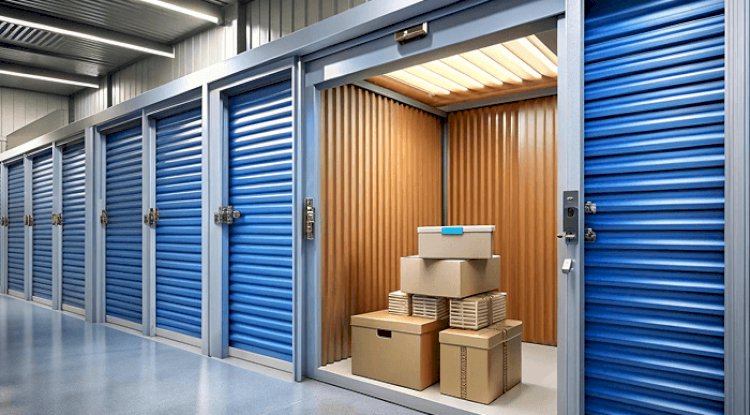

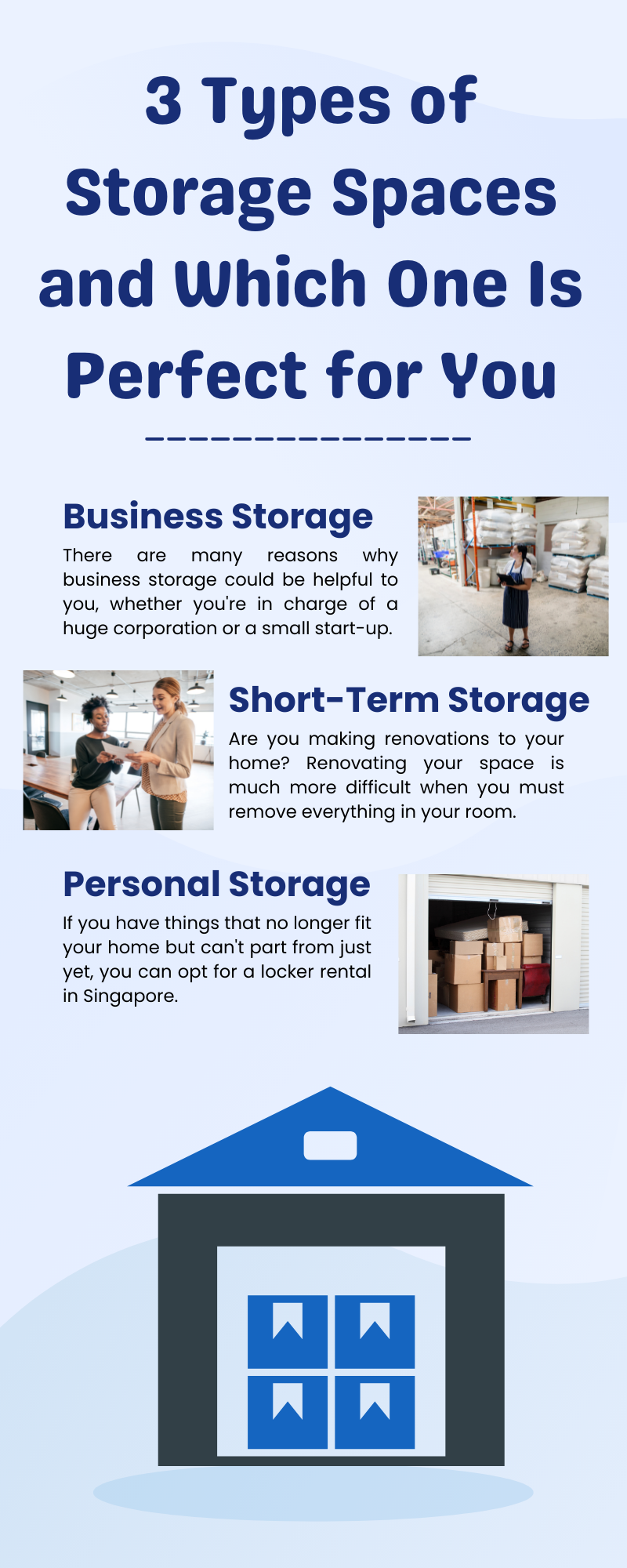
Our concern at Quick Pack Storage is to provide commercial and private storage space.
Our state of the art Storage Facility Dubai, is suitable for Lockable Storage in Dubai.
For Storage Rental in Dubai,our premises is quite safe and secure.
Click here for more information:-https://www.quickpackstorage.com/extra-space-storage.html