Testing has long been seen as the standard way to measure learning. Yet, not all schools follow that path. Many educators in Montessori classrooms believe there is a better way to track growth. Instead of relying on exams and grades, they use observation-based assessment. This approach provides a deeper understanding of each child’s abilities and progress.
How Observation-Based Assessment Works
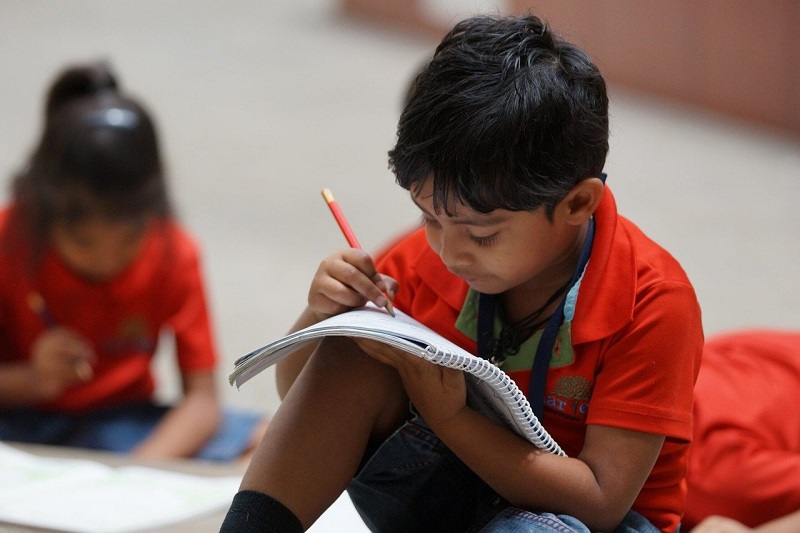
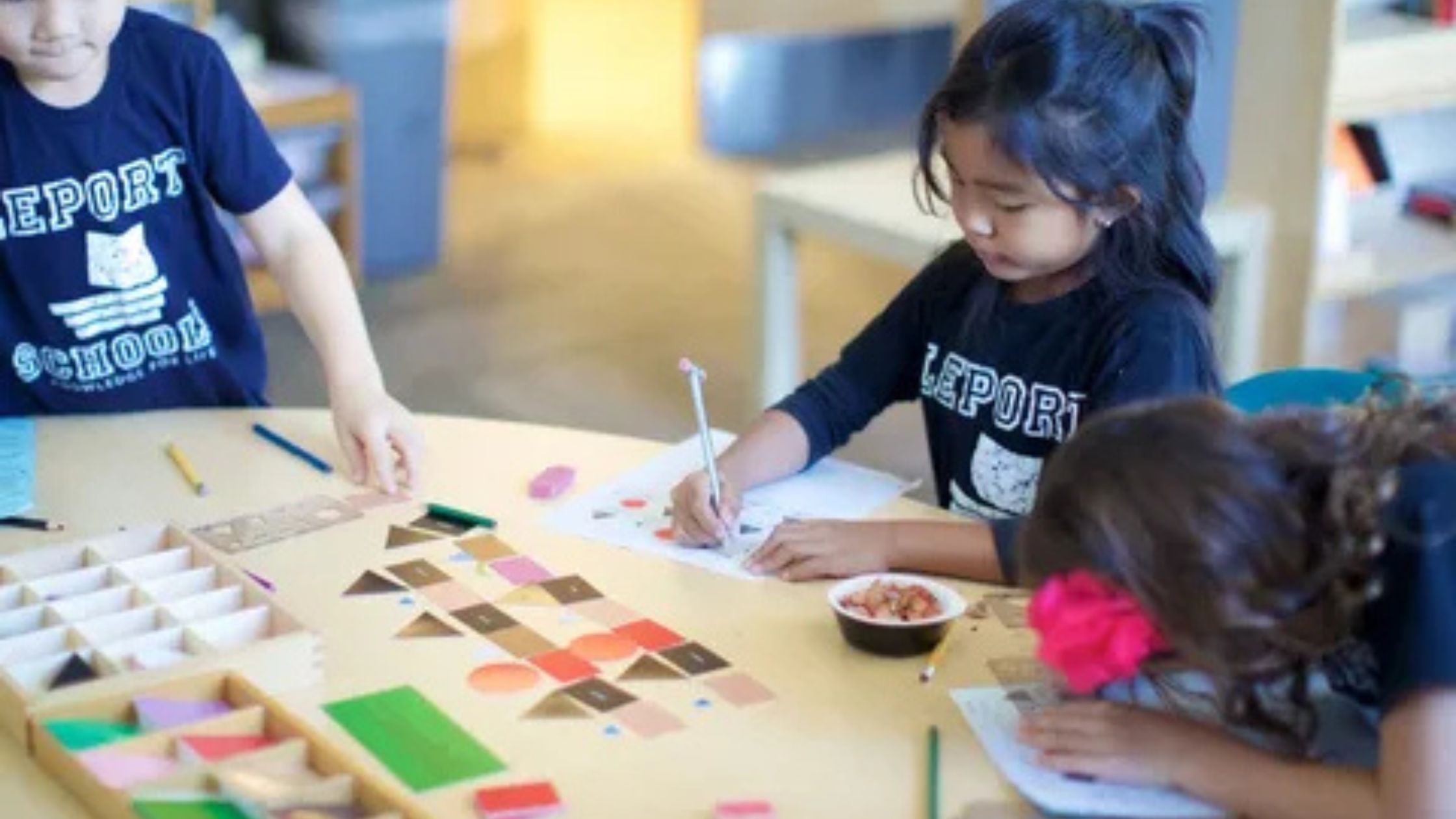
Observation-based assessment focuses on watching and recording how children interact with their environment. Teachers pay attention to patterns—like how a child chooses materials, solves problems, or works with peers. Rather than a single test score, these observations build a clear picture of learning over time. It’s a continuous process, not a one-day snapshot.
Why Montessori Schools Take This Path
A Montessori school values the individuality of each student. Traditional testing often measures everyone against the same yardstick. That can overlook the unique pace and style of each learner. By contrast, observation allows teachers to recognize strengths and areas where extra support may be needed. It respects the fact that not every child learns the same way or on the same timeline.
The Limits of Traditional Testing
Standardized tests can cause anxiety, even for very young children. They also tend to reward memorization more than deep understanding. A child might cram information to pass a test but forget it soon after. On the other hand, observation focuses on skills that last—like problem-solving, creativity, and collaboration. These are qualities that paper-and-pencil exams rarely capture.
Benefits for the Child
When children know they are not being judged by test scores, they often feel more relaxed in class. This freedom encourages curiosity and risk-taking. They try new activities without the fear of failing. Teachers notice small breakthroughs, like when a child solves a puzzle on their own or chooses to help a classmate. These small wins build confidence and independence.
Benefits for the Teacher
Observation gives teachers rich, real-time insights. They don’t need to wait for a test to see how a child is doing. Instead, they can adjust lessons on the spot. For instance, if a child struggles with counting beads, the teacher might introduce a hands-on activity to reinforce the concept. This immediate feedback loop makes teaching more flexible and responsive.
Connecting with Parents
Parents often want to know how their child is progressing. Without grades or test scores, teachers share detailed notes and examples of work. They might explain how a child moved from tracing letters to writing words independently. These real-life stories give parents a more meaningful view of their child’s growth than a simple report card ever could.
Long-Term Advantages
The skills developed through observation-based assessment prepare children for life beyond school. They learn how to think critically, solve problems creatively, and work with others. These abilities are increasingly valuable in the modern world. While test scores might fade in importance, these life skills provide a solid foundation for future success.
Building a Love of Learning
Perhaps the biggest advantage is the joy it brings to learning. Without the pressure of tests, children explore subjects at their own pace. They become more engaged because they’re guided by curiosity rather than by the fear of failing. A child who feels empowered in this way often carries that love of learning far into adulthood.
A Different Way of Seeing Success
Observation-based assessment redefines what success looks like. It’s not about numbers on a page but about progress, effort, and growth. Teachers notice the moments that can’t be measured by a score—like resilience, kindness, or determination. In this way, success becomes personal and deeply meaningful.
Final Thoughts
Traditional testing has its place, but it doesn’t capture the full story of a child’s learning journey. By focusing on observation, a Montessori school nurtures growth in a more natural and supportive way. Children are encouraged to explore, teachers adapt with insight, and parents see genuine progress. It’s a system that values the whole child—not just their ability to take a test.