


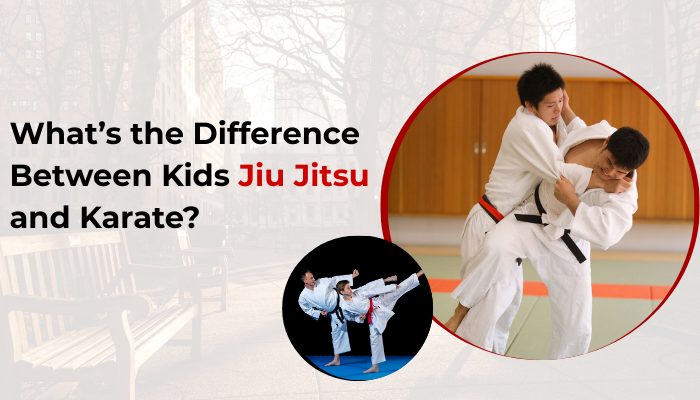
Martial arts have become a popular choice for parents looking to empower their kids with discipline, confidence, and physical fitness. But when it comes to choosing the right art, it can be confusing. A common question I hear a lot is, “What’s the difference between kids jiu-jitsu and karate?” Having coached and observed children in both disciplines, I can share some insights to help clarify the distinctions and guide you on this important decision.
Let’s face it-both sports have their merits, but they offer quite different experiences, philosophies, and skill sets. Think of it like comparing chess to wrestling; both require strategy and skill, yet the methods and outcomes vary greatly. Understanding these differences helps parents and guardians set realistic expectations and select what's best suited for their child.
The Core Philosophy and Focus
At its heart, kids ' jiu-jitsu revolves around grappling techniques, ground fighting, and submissions. The philosophy emphasizes leverage, control, and technique over sheer power, making it accessible for smaller or less physically strong kids. The goal isn’t to strike or injure but to learn how to safely control an opponent and achieve dominance through skillful moves.
Karate, on the other hand, centers on striking: punches, kicks, and blocks. It’s about developing power, speed, and precise technique using strong stances and fast movements. Karate often integrates kata (formalized sequences)`training, emphasizing form, discipline, and mental focus.
Kids Jiu Jitsu
- Teaches grappling and submissions like joint locks and chokes.
- Focuses on close-contact fighting and floor techniques.
- Encourages problem-solving and adapting to opponents’ moves.
Karate
- Concentrates on striking techniques, including punches, kicks, and blocks.
- Includes forms (kata) to refine technique and mental discipline.
- Emphasizes respect, focus, and self-control.
Training Style and Environment
The training environment can differ quite substantially. Kids jiu-jitsu typically involves a lot of rolling or sparring in controlled settings, where children practice live grappling under supervision. The social aspect is strong-partner work is constant, and children learn through direct interaction and feedback.
Karate classes tend toward structured drills, practicing techniques, and kata individually or in groups, often with less sparring (especially for younger children). The atmosphere may be more formal with emphasis on bowing, etiquette, and posture distinct to traditional Japanese martial arts.
Real-World Scenario: Which Fits Your Child?
Consider this story: I had two kids start martial arts around the same age. One was spirited and loved physical contact-jiu jitsu was a natural fit. That child loved the wrestling and figuring out escapes and submissions like a live puzzle. The other child was calmer, more focused on precision and self-discipline, thriving in karate where form and respect were highlighted.
Both developed confidence and fitness but in ways that aligned with their personalities. This underscores the importance of matching the martial art’s character with your child’s disposition.
Physical and Mental Benefits
Both kids jiu jitsu and karate foster physical fitness—increasing strength, coordination, and flexibility. But the mental skills emphasized can differ:
Kids Jiu Jitsu:
- Builds resilience through problem-solving in live sparring.
- Develops patience and strategic thinking.
- Promotes humility and respect through team and partner interactions.
Karate:
- Enhances concentration through kata practice.
- Cultivates discipline in precise movements and self-control.
- Encourages goal-setting via belt progression and tournament participation.
Safety Considerations
Because kids jiu jitsu involves direct grappling and submissions, safety protocols are crucial. Qualified instructors supervise closely, teaching how to tap out and avoid injuries. Beginners spend plenty of time learning basic movements to minimize risk.
Karate maintains safety by limiting sparring intensity in younger classes and emphasizing controlled striking and blocking techniques. Protective gear is often worn in advanced sparring scenarios.
Choosing the Right Option for Your Kid
If you’re still wondering which martial art your child should try, here are some questions to consider:
- Does your child enjoy close physical contact and testing strength against others? Jiu-Jitsu might fit.
- Are they more drawn to structured forms, striking techniques, and formal discipline? Karate may be better.
- What kind of social environment suits them-interactive and playful or disciplined and structured?
Are there local schools with experienced instructors you trust? The quality of training matters immensely.
Final Thoughts
Neither kids jiu jitsu nor karate is inherently better-they’re simply different paths that cultivate unique strengths and character traits. The best choice is one that resonates with your child’s personality and keeps them excited to learn and grow.
If you live near Orlando and are looking to enroll your child in a martial arts program that builds confidence, skill, and community, exploring Orlando kids jiu jitsu schools is a fantastic option. The supportive, dynamic environment nurtures not just fighters but leaders in the making.
Jiju Jitsu teaches you valuable defense skills.
Ground survival techniques, restraining an opponent are a few of them.
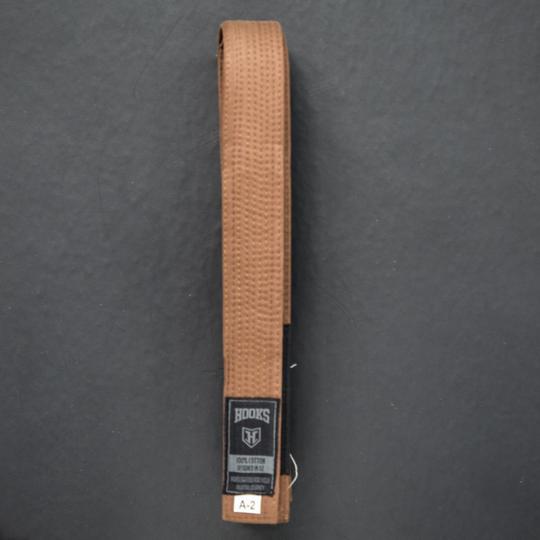
The sports organization of BJJ adheres to the IBJJF standards to award other colors of belt-like yellow, orange, green, Let’s have a quick look to know the color signification in BJJ.
You can better take your time to understand and appreciate the subtle element in the game thoroughly.
You will learn stability, pressure, and patience at this time.
In the training session, the 4th stripe will be the last.