A Guide to Interstate Pet Transport in Australia
Moving pets across state borders can be just as challenging as relocating them internationally. Whether it’s for a family move, a holiday, or rehoming a pet, interstate pet transport requires planning and attention to detail to ensure animals travel safely and comfortably. By understanding the process, owners can make the experience smooth and stress-free for their furry companions.
The first step in interstate pet transport is choosing the right mode of travel. Road and air are the two most common options. Road transport offers a slower pace and frequent stops, which can suit nervous pets or shorter journeys. Air travel, on the other hand, is often preferred for long distances, as it reduces the time pets spend in transit.
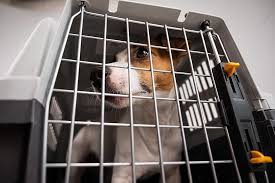
Regardless of the method, pets need to travel in a secure, comfortable crate or carrier. Carriers should comply with safety standards and provide enough room for pets to stand, turn around, and lie down. Familiar items such as a blanket or toy can help reduce stress by giving them a sense of home.
Health and safety are key priorities during transport. Before travelling interstate, pets should undergo a veterinary check-up to ensure they are fit for the journey. Vaccinations should be up to date, and some states may have specific requirements regarding parasite treatments or health certificates. Checking these requirements in advance avoids any last-minute issues.
Feeding and hydration also need to be managed carefully. Pets should be given a light meal a few hours before departure, and fresh water should always be accessible during the journey. Overfeeding just before travel can cause discomfort, especially on longer trips.