

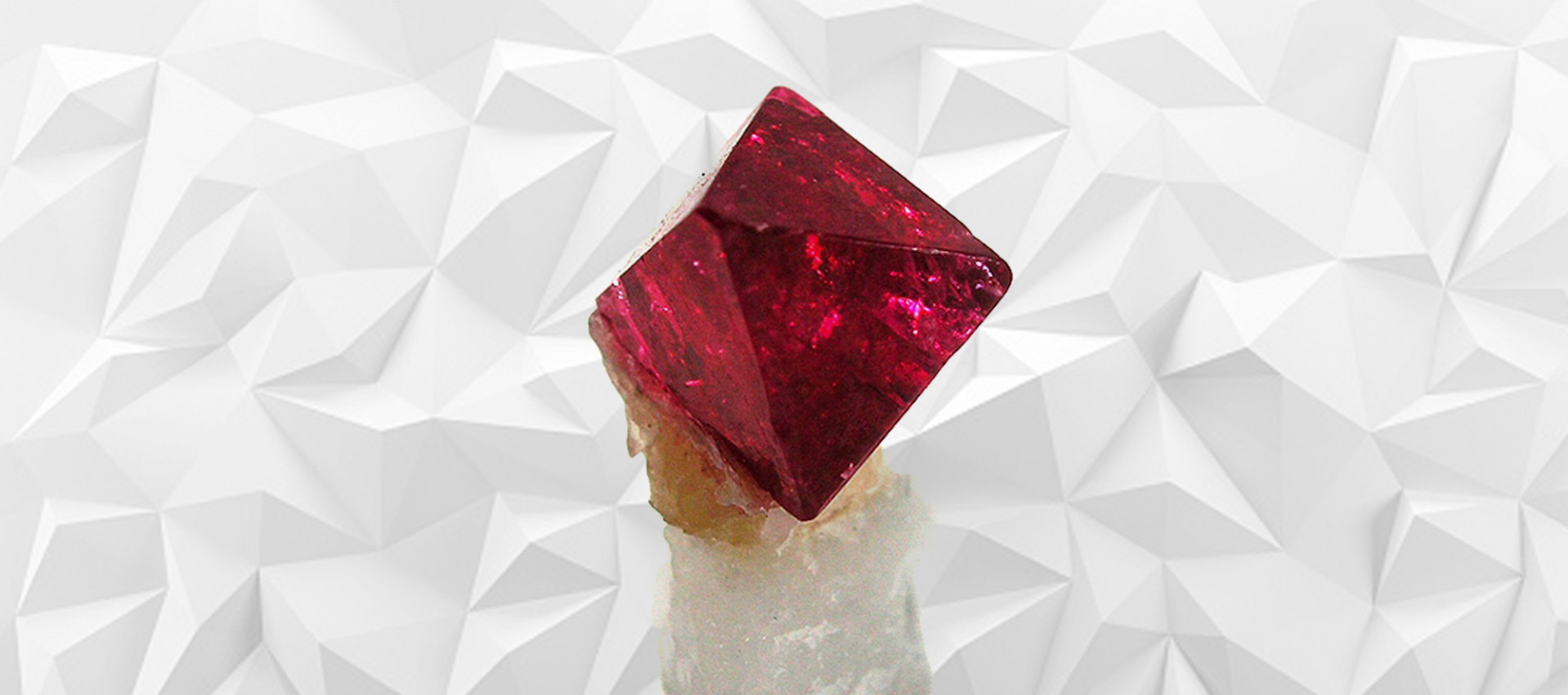
Everybody knows that ruby stone, referred to as the "King of Gems," is one of the most precious and in-demand gemstones on the planet. Because of its deep red color, scarcity, and everlasting charm, it has been a favorite not only of kings and queens but also of collectors and jewelry lovers all over the world. Notwithstanding, is it understood that rubies are not equal?
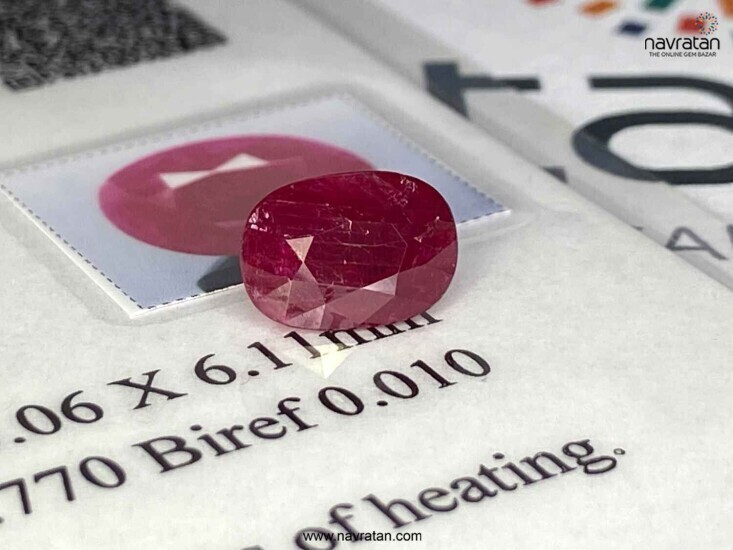
Essentially the first thing which needs to be known about the "ruby quality factors" is the color of the stone.
1. Color: The Heart of a Ruby’s Value
The color is among the most essential aspects of a ruby to ascertain its value. The most beautiful rubies have vibrant, pure red hues with just a tinge of blue - that is why they are called "Pigeon Blood Red."
Top-Class: From the point of color, the most vivid red with a strong saturation and a medium tone are considered the best.
Not So Good: Colors that are too dark, too light, or excessively pinkish tones are of lower quality.
The color of a ruby should reflect the beauty of the stone with no particular zone or area of the stone showing a different color.
2. Clarity: Inclusions shouldn't be a Surprise
Most gems are happy to have inclusions that show they are not faked. Such is the case with rubies. Naturally, rubies are full of inclusions, and some of them even become the bases for mystic effects.
Best Examples of Rubies: Few and small inclusions barely visible with increasing brilliance.
Worst Examples of Rubies: Big and obvious inclusions that make the stone not fully transparent.
Additionally, certain inclusions can cause the creation of different effects like the star ruby which is a six-pointed star seen by shining light on it caused by the rutile inclusions.
3. Cut: Increasing Light and Love
The cut of a red ruby has an impact on the color as well as on the light transmission through the stone. As rubies are rare, the cutters attempt to keep as much weight as feasible, thus, sometimes they measure the symmetry to a lesser degree.
Best Cut: Perfect symmetry and good proportions result in maximum radiance and color intensity.
Poor Cut: The lack of evenness or small depth that does not allow the stone to flash at its best.
Most frequent shapes are oval, cushion, and round, and these can make rubies their best fiery self.
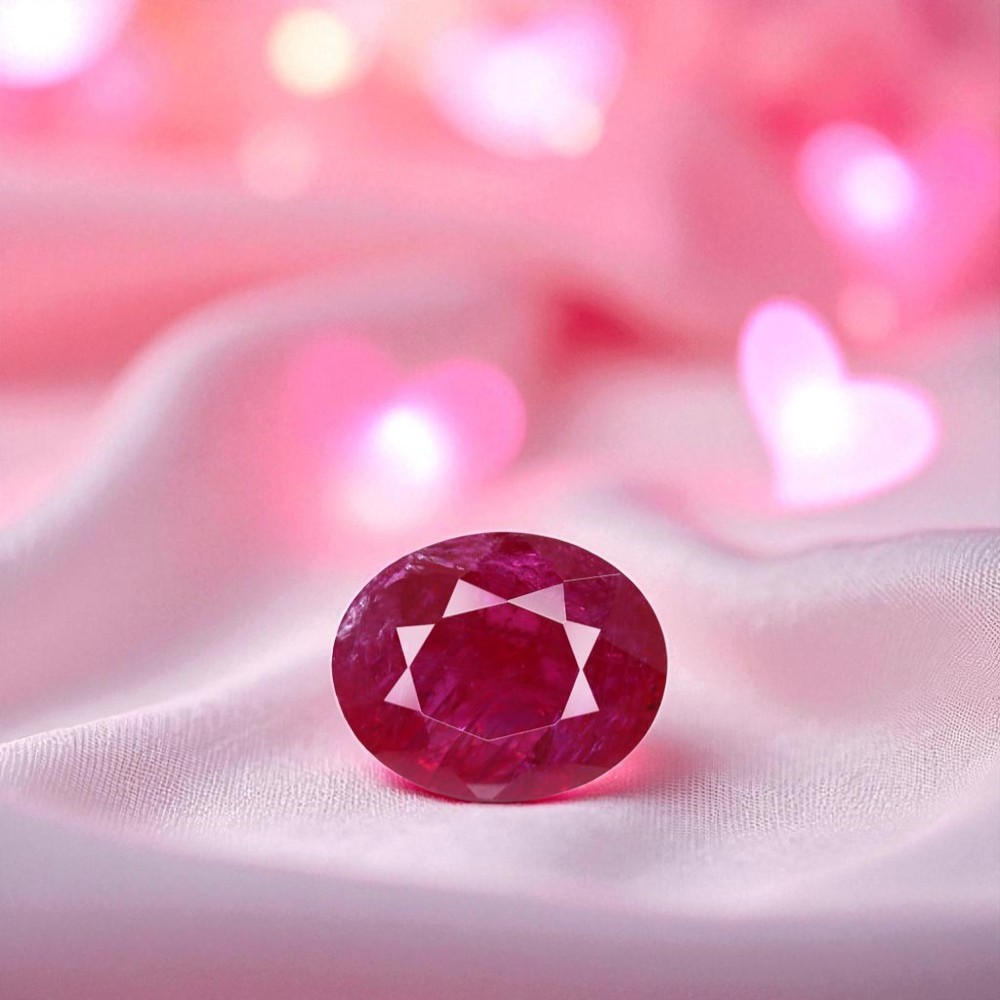
4. Carat Weight: Bigger and More Rare
Big rubies are almost never found in the world, specifically in high quality.
1 to 3 Carats: Most commonly found sizes and thus, more affordable.
Over 5 Carats: Extremely rare and high-priced.
The price of big ruby high-quality diamonds is sometimes even surpassed by that of big ruby.
5. Origin: Importance of Place
Where a ruby comes from is sometimes a sign of its worth.
Burmese Rubies: The most famous Pigeon Blood Red color is coming from there and is the best.
Mozambique Rubies: The area where we find more and more rubies of good quality at reasonable prices.
Thai and Sri Lankan Rubies: Usually, they are dimmer or lighter but are still liked because of their special colors.
6. Treatments: Natural vs Enhanced
Almost every ruby in the market has been treated to look better.
Heat-treated Rubies: They are the most common and there is no problem if the treatment has been declared, the heat is used to get a good color and also transparency.
Non-treated Rubies: Extremely rare and sold at very high prices.
Glass-Filled Rubies: They are worth less than others and are usually only for decorations or ornaments.
Final Thoughts
Ruby gemstone quality factors such as color, clarity, cut, carat weight, origin, and treatments are very important when buying a ruby. The gems' beauty, rarity, and price depend on these factors that are integrated. A fine ruby is not just a jewel but a timeless investment that tells the history and carries the prestige of the past centuries.
Wish to have the power, passion, and royal charm of an extraordinary jewel at your disposal? Go through our genuine, certified, natural ruby stones that qualify for the highest quality criteria and get one that suits you best.
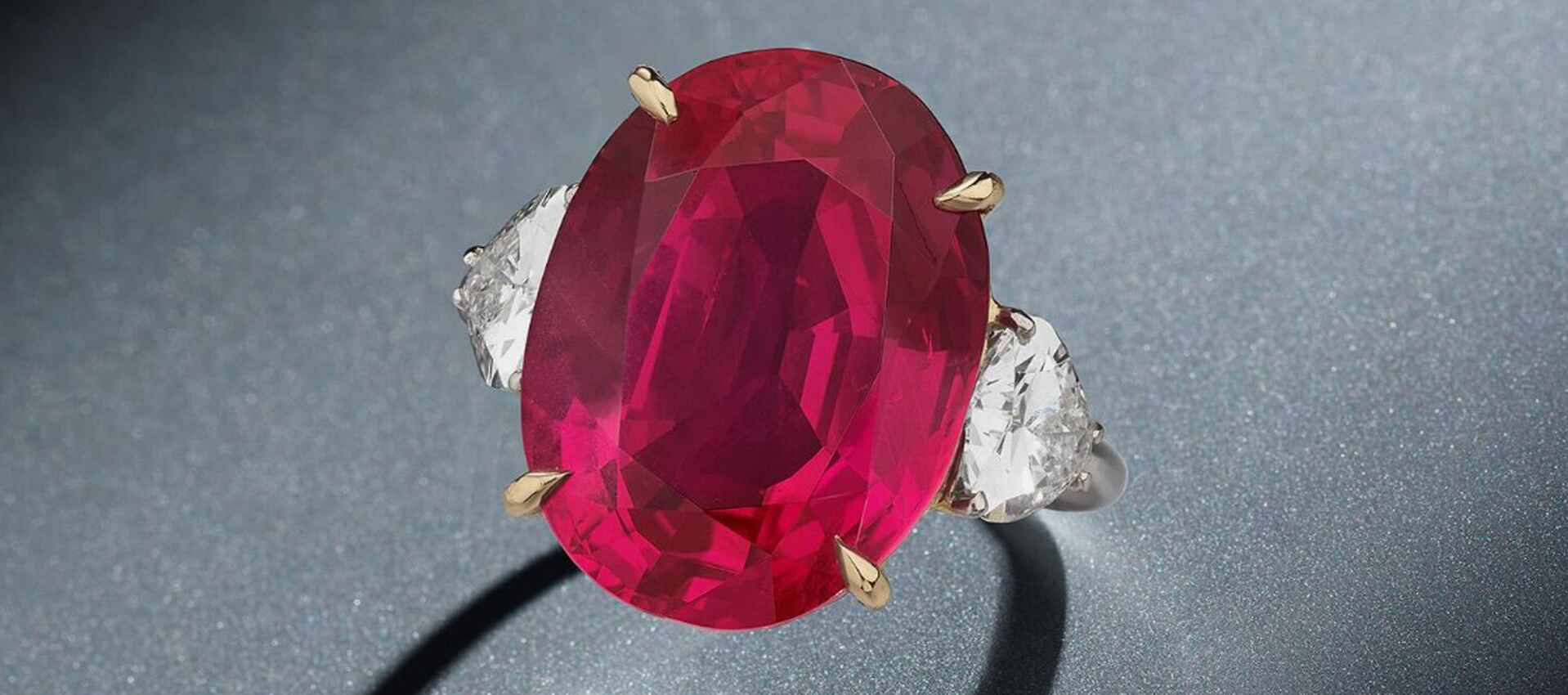
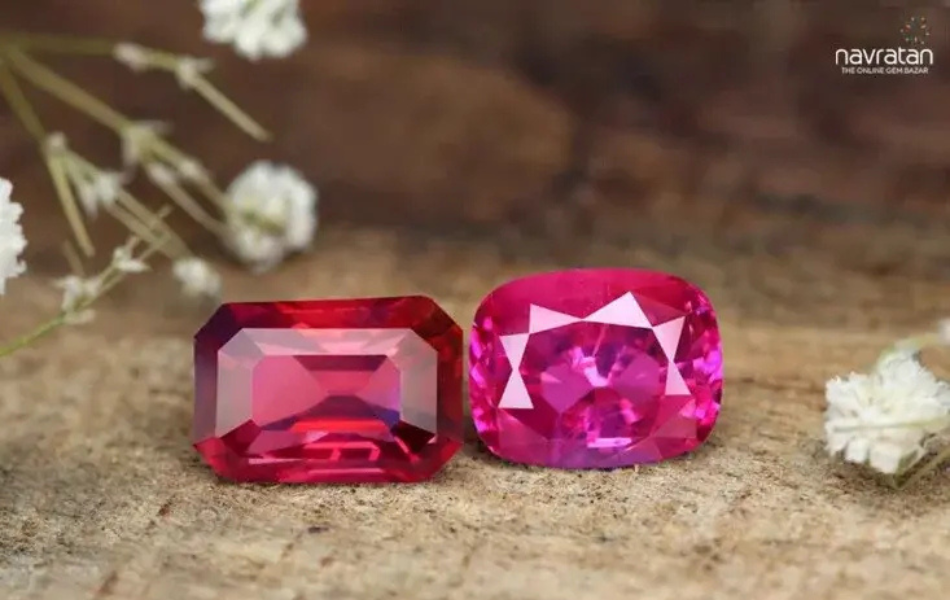
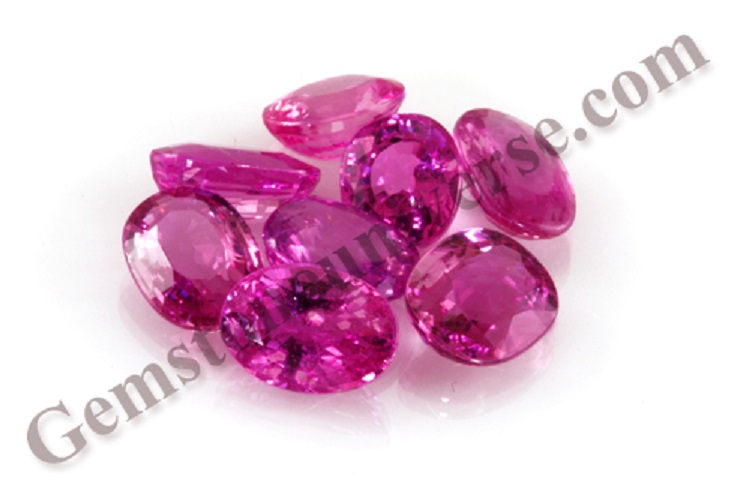
The Ruby Stone is a gemstone that is inspired by the sun.
The ruby price, Ruby Stone Price, ruby stone price in india ranges from as little as Rs 500 and goes up until a whopping 2 lakh.
The Ruby Gemstone Prices are dependant on the quality of the gemstone as well as the carat.