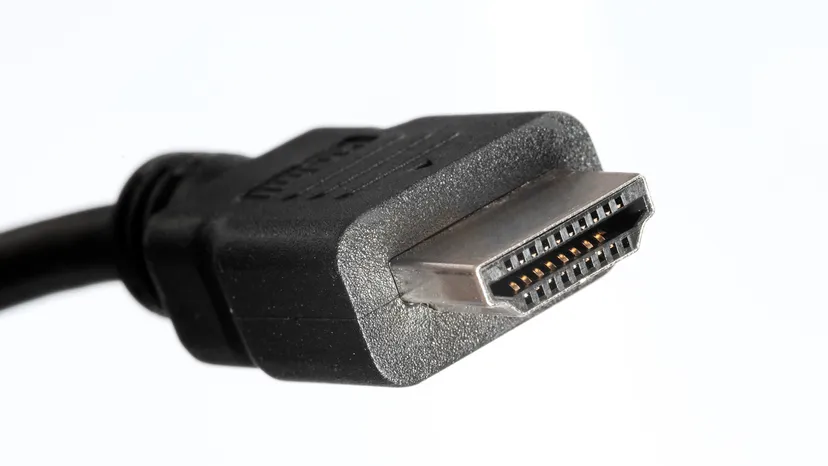
In today’s tech-driven world, HDMI connectors are more than just cable ports. They are the silent enablers of seamless audio and video communication between countless devices. As the demand for ultra-high-definition content continues to rise, HDMI technology stands out as a standard that continues to evolve with innovation and reliability.
Understanding the Basics of HDMI Connectors
HDMI stands for High-Definition Multimedia Interface. It is a proprietary interface used for transmitting uncompressed video and audio data between source devices and output displays. These connectors have become standard in consumer electronics, from televisions and projectors to computers and gaming systems. They are compact yet powerful and allow multimedia to flow smoothly between devices without signal degradation.
Exploring the Core Structure of HDMI Connectors
An HDMI connector features a specific set of pins that are responsible for handling various signals. These pins carry digital video, digital audio, control information, and clock signals. Unlike older analogue systems, HDMI does not require separate cables for sound and picture. The integrity of the digital data is preserved, resulting in more explicit images and cleaner sound output.
Evolution of HDMI in Consumer Electronics
HDMI connectors first emerged in the early 2000s as a response to the growing need for high-quality digital transmission. Over time, HDMI versions have advanced, with each new version bringing improvements in speed, resolution support, and feature set. Today’s most recent versions offer features such as dynamic HDR, enhanced audio return, and support for resolutions up to 8K.
Applications That Rely on HDMI Connectors
The versatility of HDMI connectors makes them suitable for both everyday and professional environments. They are commonly found in entertainment systems, gaming consoles, media players, and high-end computing devices. Beyond home use, HDMI is integral to commercial displays, medical imaging systems, and education-based smart boards. In conference rooms and classrooms, HDMI enables quick plug-and-play setups for visual presentations.
Comparing HDMI Connector Types and Their Use Cases
While the HDMI technology remains the same at its core, the physical connector types vary. Standard HDMI is commonly used in televisions and AV receivers. Mini HDMI is typically found in digital cameras and tablets. Micro HDMI is preferred in ultra-portable devices like smartphones. Automotive HDMI connectors are developed for infotainment systems in vehicles, offering rugged construction and reliable signal transmission under harsh conditions.
Key Considerations When Using HDMI Connectors
Selecting the appropriate HDMI connector and cable depends on the device, the environment, and the specific performance requirements. For example, higher refresh rates or resolutions require cables with more bandwidth. Long cable runs may require active HDMI solutions to maintain signal quality. Compatibility with existing HDMI ports and supported features like ARC or CEC also influence the selection process.
The Role of HDMI in High-Definition Audio and Video
Modern HDMI connectors handle not only visuals but also multi-channel audio signals. This includes support for surround sound formats used in home theatres and professional audio equipment. By supporting both video and audio, HDMI ensures synchronisation and simplifies setup. It reduces the number of cables needed and enhances the overall media experience by maintaining high data fidelity.
Technological Features That Define HDMI Performance
HDMI supports advanced technologies such as Consumer Electronics Control, which allows users to control multiple connected devices with a single remote. It also enables Audio Return Channel, which sends audio data upstream to audio systems without the need for separate audio cables. Enhanced features like Dynamic HDR and Variable Refresh Rate further improve user experience in both entertainment and professional applications.
Challenges and Limitations of HDMI Connectors
Despite their advantages, HDMI connectors do have certain limitations. Cable length can affect performance if the cable quality is poor or the bandwidth requirement is high. Not all HDMI versions support the same features, leading to compatibility issues in mixed environments. Devices that require ultra-low latency or extremely long runs may require signal boosters or alternative interfaces, depending on the specific use case.
Future Outlook for HDMI Technology
The continuous development of display resolutions and interactive media ensures HDMI will remain a key player in digital communication. With increasing demand for 4K, 8K, and even higher resolutions, HDMI standards are expected to evolve further. Manufacturers are integrating HDMI ports into more devices, and emerging industries like virtual reality and remote work are opening new applications for this reliable interface.
Final Thoughts
HDMI connectors are the backbone of digital audio and video transfer. Their design simplicity, combined with their technical sophistication, makes them indispensable in both consumer and industrial sectors. As technology continues to progress, HDMI will adapt to deliver faster, more transparent, and more efficient connections that power the devices and systems we rely on every day.