

Today we will see how AI-powered ERP's demand forecasting helps electrical component manufacturers optimize inventory, reduce costs, and improve production efficiency.
In the fast-paced world of switch and electrical component manufacturing, accurate demand planning can make or break profitability. Overproduction leads to wasted materials, while underproduction causes stockouts and missed opportunities.
Traditional forecasting methods often rely on historical data and manual calculations, which are slow and prone to errors.
This is where AI-powered ERP systems step in. By combining real-time data, machine learning, and predictive analytics, manufacturers can forecast demand with unprecedented accuracy, optimize production schedules, and make smarter business decisions.
Key Benefits of AI-Powered ERP Demand Forecasting
1. Optimized Inventory Management
AI-driven forecasting predicts demand for each component, helping manufacturers maintain the right inventory levels.
- Reduced Overstocking: Avoid tying up capital in unused inventory.
- Minimized Stockouts: Ensure components are available when needed.
A mid-sized switch manufacturer predicts demand spikes for industrial-grade switches ahead of a regional infrastructure project, ensuring smooth delivery without holding excess stock.
2. Cost Efficiency
By accurately predicting demand, manufacturers can reduce waste and lower production costs.
- Avoid unnecessary raw material purchases.
- Reduce storage and logistics expenses.
Forecasting demand for specialized connectors reduces scrap rates, saving thousands in material costs annually.
3. Agile Production Planning
AI-powered ERP integrates demand forecasts directly with production schedules.
- Quickly adjust production lines based on predicted market needs.
- Balance labor and machine utilization efficiently.
If demand for a batch of circuit breakers is forecasted to drop, production can be slowed down, preventing excess output and conserving energy.
4. Enhanced Decision-Making
ERP dashboards provide actionable insights in real time.
- Visualize upcoming demand trends.
- Make data-driven decisions on procurement, manufacturing, and logistics.
A production manager sees a forecasted surge in demand for certain electrical relays and immediately reallocates resources to meet market needs.
5. Integration with Supply Chain & IoT
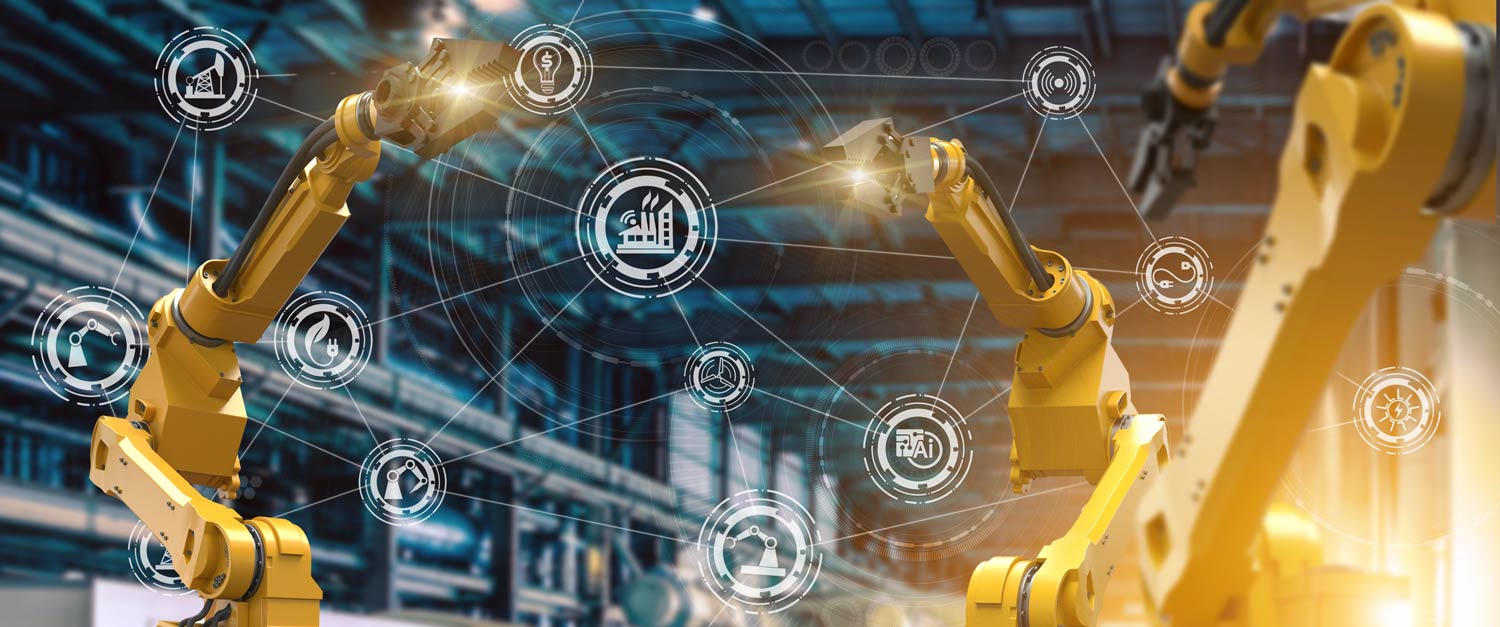
AI-powered ERP systems can connect with suppliers, distributors, and IoT-enabled machinery.
- Monitor raw material availability in real time.
- Adjust production schedules based on supply constraints.
- Predict maintenance needs to avoid unexpected downtime.
Sensors on production equipment report anomalies, and the ERP adjusts forecasts to compensate for minor downtime without delaying deliveries.
Recommendations
- Adopt AI-Powered ERP: Choose a system with predictive analytics and machine learning modules.
- Integrate IoT & Sensors: Connect production equipment for real-time monitoring and predictive maintenance.
- Train Teams on Data-Driven Planning: Ensure managers can interpret forecasts and act quickly.
- Continuously Monitor & Adjust: Update AI models with real-world production and sales data for accuracy.
AI-powered ERP demand forecasting is essential for electrical component manufacturers looking to stay competitive.
Our AI Powered Odoo ERP solution for manufacturers offers a practical, scalable solution that combines forecasting, inventory optimization, IoT integration, and modular customization all under one platform.
By leveraging these capabilities, manufacturers can enhance operational efficiency, reduce costs, and improve market responsiveness.
To know more drop us a line at sales@apagen.com or call us on +91 9971800665.