Photovoltaic cladding, also known as Building-Integrated Photovoltaic (BIPV) cladding, refers to solar panels that are seamlessly incorporated into the exterior surfaces of buildings. These systems replace traditional façade materials, serving both as structural components and power generators. This dual function allows buildings to produce electricity while maintaining design flexibility and weather protection.
BIPV cladding can be applied to various parts of a building, including walls, roofs, and windows, creating an integrated approach to solar energy without the need for separate solar panels. It offers additional benefits such as thermal insulation, noise reduction, and daylight management, making it a practical choice for sustainable architecture.
As urban spaces evolve towards energy efficiency, photovoltaic cladding provides a way to transform the building envelope into a source of renewable power. Its aesthetic versatility and functional performance attract designers and developers looking to meet modern sustainability goals.
Fundamentals of Photovoltaic Cladding and BIPV Cladding
Photovoltaic cladding integrates solar energy technology directly into building surfaces, replacing conventional materials with energy-generating components. This approach combines structural and functional roles, turning facades and roofs into power sources while maintaining weather protection and aesthetics.
How photovoltaic cladding converts sunlight into electricity, the core components involved, and the variety of materials used define its performance and application.
How Photovoltaic Cladding Works
Photovoltaic cladding uses solar cells embedded within building envelope materials. These cells absorb sunlight and convert it into electrical energy through the photovoltaic effect. Unlike traditional solar panels mounted on structures, photovoltaic cladding replaces conventional exterior materials, serving as both construction and energy-generating elements.
The generated electricity can be used on-site or fed into the grid. Additionally, these systems maintain weatherproofing, thermal insulation, and sometimes noise reduction. Their seamless integration minimizes visual impact and structural modifications.
This dual role enhances building efficiency by maximizing surface usability while contributing to energy production.
Key Components of BIPV Cladding Systems
A typical BIPV cladding system consists of photovoltaic cells, encapsulating materials, structural support, and electrical interfaces. Photovoltaic cells are often silicon-based or thin-film technologies, selected for efficiency and compatibility.
Encapsulation layers protect cells from moisture, mechanical stress, and UV exposure without hindering light absorption. The structural support includes frameworks or panels designed to integrate with building features and withstand weather conditions.
Electrical components include wiring, inverters, and monitoring systems essential for converting and managing electrical output safely and efficiently.
Together, these components form a durable, functional, and electrically active building surface.
Types of Materials Used in Photovoltaic Cladding
Photovoltaic cladding commonly uses materials like glass, metal, and polymer composites. Glass is favored for its transparency and durability, often used in window-integrated BIPV or facade panels.
Metal substrates provide strength, serve as a backing or framing element, and sometimes aid heat dissipation. Polymers offer flexibility and lightweight options, useful for curved or irregular building shapes.
Solar cells integrated into these materials include crystalline silicon and thin-film variants like cadmium telluride or CIGS. Selection depends on factors like efficiency, cost, aesthetics, and structural compatibility.
Material choice affects the system’s durability, energy output, and architectural integration.
Design, Installation, and Performance
Photovoltaic cladding integrates solar cells into building facades, serving both aesthetic and functional roles. It requires careful planning in design, precise installation techniques, and attention to energy output to achieve optimal results.
Architectural Design Considerations
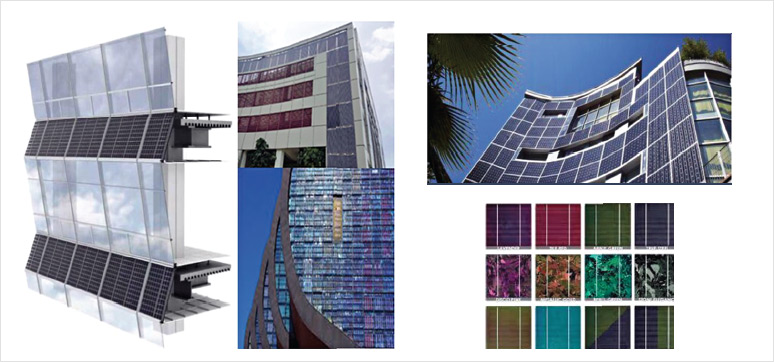
Photovoltaic cladding systems must align with the building’s architectural intent without compromising structural integrity. Designers select materials and panel layouts to match the building's geometry and intended appearance, often customizing colors, finishes, and module sizes.
Integration allows the panels to replace traditional cladding, acting as a rainscreen while providing insulation and weather protection. Ventilation gaps of around 10-20mm are often included to optimize thermal performance and moisture control.
Design must also account for solar orientation and shading to maximize energy capture. Collaboration between architects and engineers is essential from the earliest stages to ensure smooth integration.
Installation Processes and Best Practices
The installation of photovoltaic cladding is complex and demands specialized skills. It typically involves mounting solar panels onto support frames that attach to the building structure, ensuring proper spacing and ventilation.
Close coordination between architects, engineers, and contractors is necessary to align electrical connections and maintain facade integrity. Waterproofing and weatherproof sealing around modules prevent moisture infiltration.
Adhering to manufacturer guidelines and using compatible materials enhances system durability. Incorporating pre-installation mockups or prototypes can reduce unforeseen challenges during the process.
Energy Efficiency and Output Metrics
Photovoltaic cladding generates electricity while serving as building skin, contributing to on-site renewable energy production. System efficiency depends on panel placement, tilt, shading, and local climate conditions.
Energy output is measured in kilowatt-hours (kWh) and varies based on module efficiency and total surface area covered. Integrating cladding with thermal insulation and ventilated rainscreen designs improves overall building energy performance.
Performance is regularly monitored to detect output deviations caused by dirt, damage, or malfunction. Optimizing the balance between aesthetic requirements and energy goals is critical for effective system design.
Maintenance of Photovoltaic Cladding
Maintenance involves routine cleaning to remove dirt, dust, and debris, which can reduce solar panel efficiency. Access design should facilitate safe and convenient cleaning, particularly for facades on tall buildings.
Inspections focus on checking electrical connections, seals, and structural mounts to prevent water ingress and physical damage. Addressing minor issues early avoids costly repairs or efficiency losses.
Maintenance schedules vary based on environmental conditions but generally include biannual or annual checks. Using durable materials suitable for local weather conditions minimizes maintenance frequency.