

Sustainable Building Materials
In the rapidly evolving landscape of urban architecture, the importance of sustainable building materials has become increasingly evident. As cities expand and environmental concerns intensify, the construction industry is shifting towards materials that not only serve functional and aesthetic purposes but also contribute positively to ecological health. Sustainable building materials are characterized by their renewability, low environmental impact, and ability to foster healthier living environments. These materials are crucial in the pursuit of creating cities that are resilient, energy-efficient, and environmentally responsible.
Among the myriad options available, exterior wooden cladding stands out as an exemplary sustainable building material. Unlike traditional construction materials such as concrete, steel, or synthetic composites, sustainably sourced wood is a renewable resource that can be replenished at a rate faster than it is consumed. When harvested responsibly, it supports forest conservation efforts, promotes biodiversity, and encourages responsible land management. Furthermore, wood naturally possesses excellent insulating properties, which can significantly reduce the energy required for heating and cooling buildings, thereby lowering their carbon footprint.
In addition to its renewability, wood's carbon sequestration capability—absorbing CO2 during growth—makes it an environmentally friendly option. When used as exterior cladding, it provides a natural aesthetic that blends seamlessly with green spaces and urban landscapes alike. As cities worldwide seek to balance development with ecological sustainability, integrating exterior wooden cladding into building designs emerges as a strategic approach to fostering greener, more livable urban environments. This material’s versatility and sustainability profile make it an indispensable element in the modern architect’s toolkit for sustainable development.
Exterior Wooden Cladding
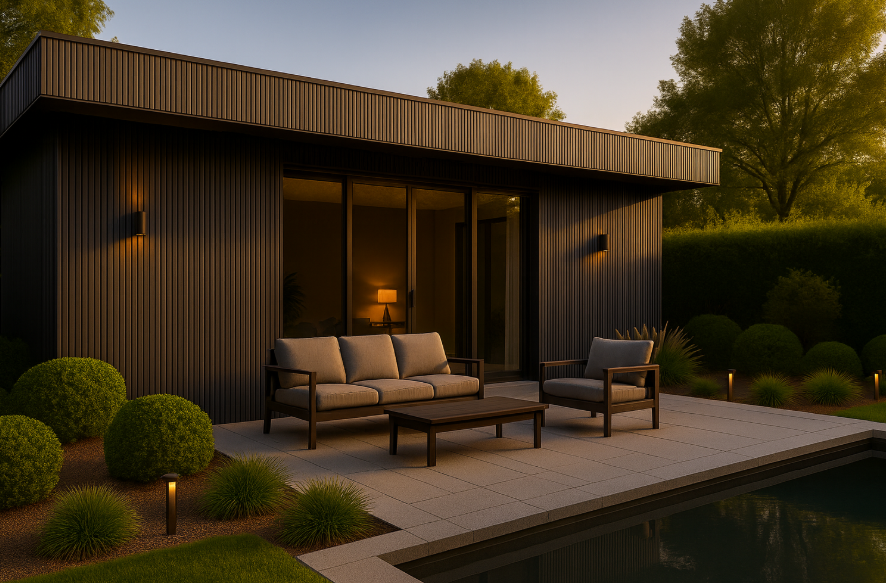
Exterior wooden cladding involves applying wooden panels or planks on the outer surfaces of buildings, serving both functional and decorative purposes. It transforms the façade of a structure, imparting warmth, texture, and a natural appeal that is often missing in conventional building materials like concrete or glass. Wooden cladding offers an array of design possibilities, from sleek, modern horizontal or vertical lines to rustic, textured finishes that evoke a sense of craftsmanship and connection with nature.
This type of cladding is available in various styles, including shiplap, tongue-and-groove, lap siding, and weatherboard, allowing architects and designers to tailor the appearance according to the architectural theme and personal preferences. Beyond its aesthetic appeal, exterior wooden cladding provides a durable protective layer that shields the building from environmental elements such as wind, rain, UV rays, and temperature fluctuations. It acts as an additional barrier, preventing moisture ingress and reducing the risk of structural damage over time. Properly selected and maintained, wooden cladding can withstand harsh weather conditions, making it suitable for diverse climatic zones, including the challenging weather patterns often experienced in Indian urban and rural settings.
In modern Indian bungalows and urban residences, exterior wooden cladding not only enhances curb appeal but also adds an extra layer of insulation, contributing to energy efficiency. The natural insulating properties of wood help maintain indoor temperature stability, reducing reliance on artificial heating or cooling systems. When treated with appropriate preservatives and sealants, wooden cladding can resist pests, rot, and UV damage, ensuring longevity and sustained beauty over decades. Its ability to age gracefully, developing a rich patina over time, adds character and authenticity to architectural designs, making it a timeless choice for sustainable and aesthetic building solutions.
Eco-Friendly Building Materials
The global push towards eco-friendly building materials stems from the urgent need to reduce environmental degradation and promote sustainable urban development. Eco-friendly materials are designed to minimize ecological footprints by incorporating recycled content, low VOC (volatile organic compound) emissions, biodegradable components, and renewable resources. These materials support healthier indoor and outdoor environments by reducing air and water pollution and conserving vital natural resources.
Exterior wooden cladding fits seamlessly into this framework, especially when sourced from certified sustainable forests or reclaimed wood. Certified woods, such as those bearing FSC (Forest Stewardship Council) or PEFC (Programme for the Endorsement of Forest Certification) labels, ensure responsible harvesting practices that do not contribute to deforestation or habitat destruction. Reclaimed wood, salvaged from old structures or discarded timber, offers an eco-friendly alternative that reduces waste and adds unique character to architectural projects.
Additionally, wood's natural thermal properties help decrease reliance on artificial climate control systems, conserving energy and reducing greenhouse gas emissions. Its biodegradability means that at the end of its lifespan, wooden cladding can be recycled or repurposed, further minimizing environmental impact. Using eco-friendly building materials like wooden cladding aligns with global efforts to develop sustainable cities that prioritize ecological health, economic viability, and social well-being, ensuring a resilient future for urban communities.

Commercial Building Cladding
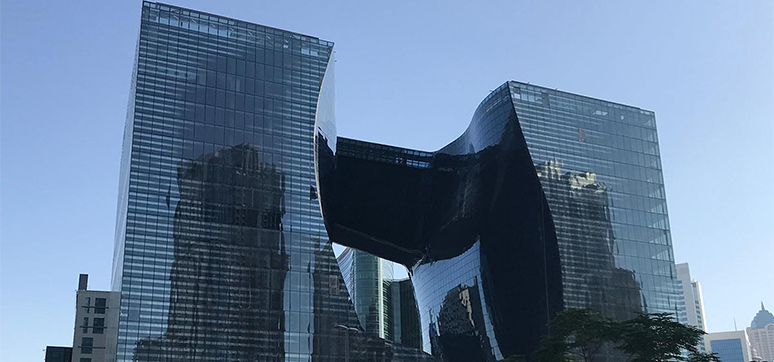
In the realm of commercial architecture, exterior cladding plays a vital role in establishing brand identity, attracting tenants, and enhancing the overall aesthetic appeal of buildings. Wooden cladding offers a distinctive alternative to conventional materials such as glass, metal, and concrete, providing a warm, inviting appearance that fosters a sense of natural harmony and sustainability. It can serve as a visual signature, setting commercial spaces apart in competitive urban environments.
Modern commercial buildings increasingly incorporate wooden cladding to evoke a connection with nature, promote sustainability, and create welcoming environments for employees, clients, and visitors. Office complexes, retail centers, hotels, and hospitality venues benefit from the visual warmth and durability of wooden exteriors. When properly selected and installed, wooden cladding can withstand urban challenges such as pollution, UV exposure, and moisture, maintaining its aesthetic and structural integrity over time.
Architects and developers can leverage the versatility of wooden cladding to craft innovative facades—ranging from sleek, minimalist designs to textured, layered surfaces that add depth and character. Combining wooden cladding with other materials like glass or metal can result in dynamic, layered façades that enhance the building’s visual impact and functionality. Furthermore, wooden cladding’s natural insulation properties contribute to energy efficiency, reducing operational costs and environmental impact. Its ability to create a warm, approachable exterior makes it an increasingly popular choice for commercial developments aiming for a sustainable and attractive urban presence.
Outdoor Wood Panels
Outdoor wood panels are a popular choice for exterior cladding due to their ease of installation, aesthetic versatility, and resilience. These panels are manufactured specifically to endure outdoor conditions, often treated with protective coatings and finishes to resist moisture, pests, UV rays, and temperature fluctuations. They come in various textures, finishes, and sizes, providing architects and designers with a broad palette of options to create unique and customized exterior surfaces.
In modern Indian bungalows and urban residences, outdoor wood panels serve both decorative and functional purposes. They can be used to craft striking feature walls, privacy screens, or entire façade coverings that add warmth and texture to urban architecture. When selecting outdoor wood panels, it is essential to consider the type of wood, treatment processes, and maintenance requirements to ensure longevity and sustained beauty. Woods such as teak, ipe, cedar, or treated pine are popular choices due to their natural durability and resistance to weathering.
Proper maintenance, including periodic cleaning and sealing, can extend the lifespan of outdoor wood panels, allowing them to age gracefully and develop a distinctive patina that enhances the building’s character. The right choice of panels can transform a plain façade into a vibrant, inviting exterior that harmonizes with the surrounding environment, making outdoor wood panels a versatile and enduring element of exterior wooden cladding systems.
Enhancing Urban Spaces with Wooden Cladding
Transforming urban spaces with exterior wooden cladding offers a multitude of benefits that go far beyond aesthetic enhancement. Wooden cladding introduces natural warmth, texture, and visual softness to cityscapes often characterized by cold, hard materials like concrete, steel, and glass. It creates inviting environments that foster community interaction, promote mental well-being, and elevate the overall quality of urban living.
In densely populated areas, wooden cladding can serve as a catalyst for revitalization, encouraging sustainable development and eco-conscious design practices. It can be integrated into parks, public buildings, commercial complexes, and residential projects to soften the urban environment and foster a sense of harmony with nature. Moreover, wooden cladding’s insulating properties contribute to energy savings, aligning with global efforts to reduce carbon emissions and combat climate change. This natural material can also improve acoustic comfort, reducing noise pollution in busy city centers.
When thoughtfully incorporated, exterior wooden cladding has the power to redefine city aesthetics, making urban spaces more vibrant, sustainable, and harmonious with the natural environment. Its ability to connect urban dwellers with nature fosters a sense of community and encourages environmentally responsible behaviors, ultimately contributing to healthier, more resilient cities that prioritize human well-being alongside development.
Design Considerations for Exterior Wooden Cladding
Implementing exterior wooden cladding requires meticulous planning and consideration of various factors to ensure durability, functionality, and aesthetic appeal. The choice of wood is paramount; hardwoods like teak, ipe, and mahogany are renowned for their strength, density, and resistance to weathering, making them ideal for exterior applications. Softwoods such as cedar, pine, and spruce are more affordable and easier to work with but require proper treatment and maintenance to withstand outdoor conditions.
The installation process must account for the natural expansion and contraction of wood due to temperature fluctuations and humidity changes. Proper fixing systems, including ventilation gaps and drainage channels, are essential to prevent moisture buildup and promote longevity. Maintenance practices, such as periodic cleaning, sealing, and re-treatment, are necessary to preserve the wood’s appearance and structural integrity over time.
Choosing sustainably harvested, certified wood sources not only supports responsible forestry practices but also enhances the environmental credentials of the project. When designing with wooden cladding, architects should also consider insulation, ventilation, and drainage to optimize performance and prevent issues such as warping, cracking, or rot. A well-executed design ensures that exterior wooden cladding remains a timeless, sustainable feature that elevates the architectural quality of urban buildings while respecting ecological principles.
Conclusion
In summary, exterior wooden cladding offers a compelling solution for transforming urban spaces into sustainable, inviting, and aesthetically enriching environments. Its versatility, eco-friendliness, and capacity to add warmth and texture make it an ideal choice for a wide range of applications—from modern Indian bungalows to commercial facades. As urban landscapes continue to evolve, integrating sustainable building materials like wooden cladding will be essential in creating resilient, environmentally responsible cities that foster community, well-being, and harmony with nature. By embracing this natural, durable, and adaptable material, architects and property owners can significantly contribute to a sustainable future, ensuring our cities are not only functional but also beautiful and alive with character.