

How far can a grain of wheat travel? In the case of couscous, the journey is remarkable. What began in North Africa as a simple yet carefully crafted dish has crossed deserts, oceans, and continents. Today, Moroccan couscous is found on tables worldwide, from family gatherings in its homeland to modern dining spaces in cities like Vancouver. The appearance of dishes such as Vegetable Couscous With Lamb Shoulder, 7 Vegetables Couscous, and Side Couscous With Chickpea proves that couscous is more than a meal. It is a living tradition that adapts while carrying stories of culture, history, and togetherness wherever it goes.
The Origins of Moroccan Couscous
Couscous began in North Africa many centuries ago, especially in Morocco, Algeria, and Tunisia. The dish is made from semolina wheat that is rolled into tiny grains by hand. The grains are then steamed until fluffy, a process that takes time and skill. This method shows that couscous is more than a meal. It is also a tradition that values patience and care.
In Morocco, couscous is strongly linked to family gatherings and special days. Fridays are often marked by a large bowl of couscous placed at the center of the table. Family members and guests share the meal, often using spoons or bread. Couscous is a symbol of togetherness and hospitality.
Couscous and the Role of Trade
Couscous did not stay within North Africa. Through trade routes across the Sahara and the Mediterranean, it traveled to other regions. Traders carried not only spices and goods but also recipes. As couscous reached Spain, Sicily, and beyond, it adapted to local ingredients and tastes. In coastal regions, for example, seafood sometimes replaced lamb or chicken.
The journey of couscous shows how food can travel across borders and remain recognizable while still changing to fit new cultures.
Migration and Cultural Exchange
Couscous spread even further with migration. When North Africans moved to countries like France, they brought their food with them. Over time, Moroccan couscous became so popular in France that it is now considered one of the country's favorite dishes.
This shows the power of food as a cultural bridge. Couscous allowed people to hold on to their traditions while also sharing them with new communities. It became both a reminder of home and an invitation for others to learn about North African culture.
Couscous in Modern Cities
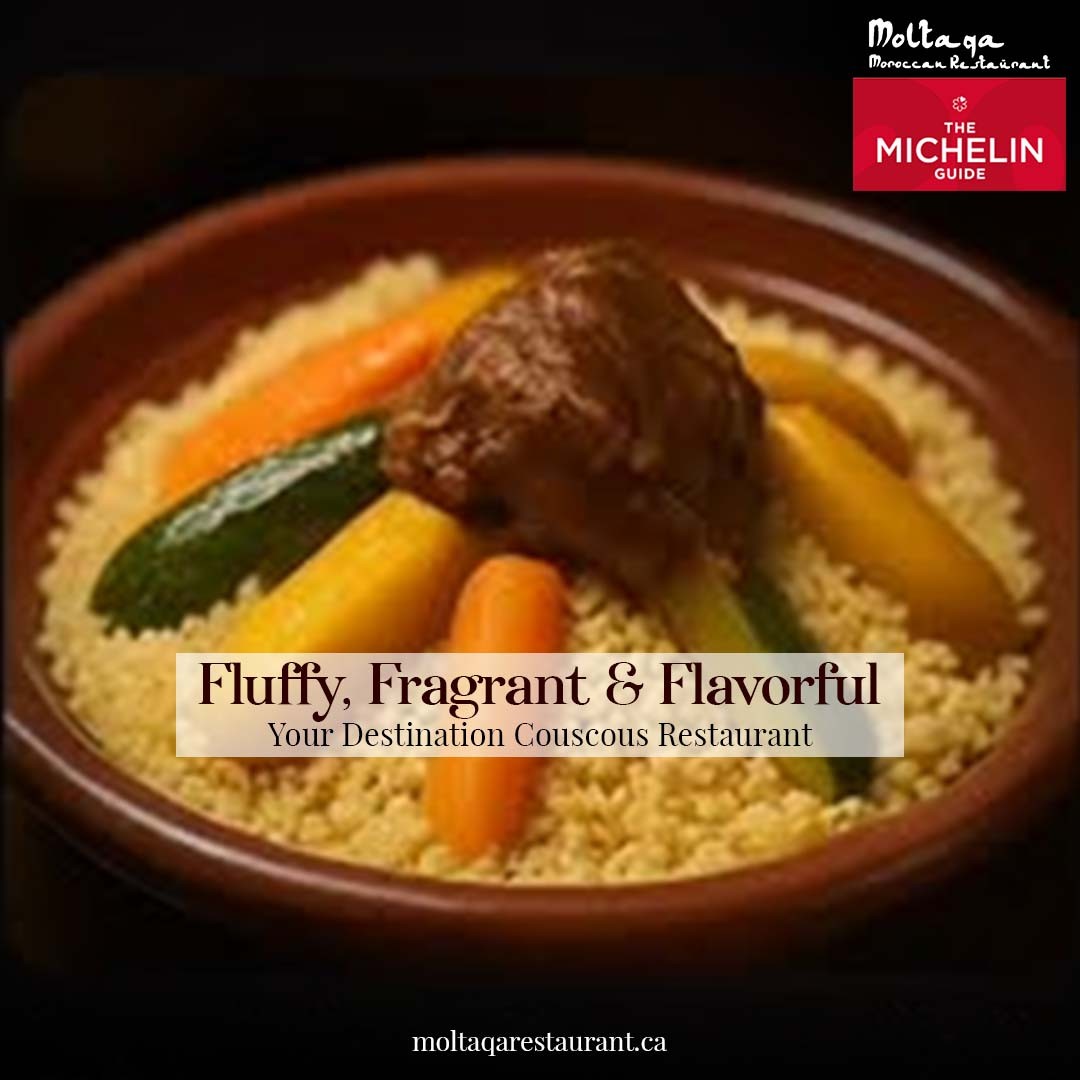
Today, couscous is enjoyed in cities all around the world. In Vancouver, for example, Yaletown couscous options are part of a wider mix of cultural foods. Menus often include traditional dishes like Vegetable Couscous With Lamb Shoulder, where tender lamb is paired with spiced vegetables and grains. You might also see 7 Vegetables Couscous, a version that highlights the balance of fresh produce and spices. For something simpler, Side Couscous With Chickpea offers comfort with a hearty, protein-rich twist.
These dishes show how couscous continues to adapt while staying true to its origins. Whether served in a family home in Morocco or in a modern restaurant in Vancouver, it carries the same spirit of warmth and sharing.
What Makes Moroccan Couscous Unique?
One reason for couscous's success across borders is its flexibility. The grains are light and neutral, making them the perfect base for bold spices such as cumin, turmeric, saffron, and cinnamon. The dish can be sweet, savory, or a mix of both. Raisins, caramelized onions, and almonds often add sweetness to balance the rich flavors of meat and broth.
The best Moroccan couscous is not only about flavor but also about values. Serving couscous is a sign of generosity. It reminds diners that food is not just fuel. It is a way to welcome others and strengthen connections.
Couscous as World Heritage
The cultural importance of couscous was recognized in recent years when UNESCO named it part of the intangible cultural heritage of humanity. This status honors the traditions, skills, and rituals passed down through generations. It also highlights how couscous continues to unite communities across borders.
By being recognized on a global scale, couscous is celebrated not only as a dish from North Africa but also as part of world culture.
Final Thoughts
The journey of couscous is proof that food can tell powerful stories. Dishes such as Vegetable Couscous With Lamb Shoulder, 7 Vegetables Couscous, and Side Couscous With Chickpea show how this meal continues to evolve while keeping its original meaning.
More than just grains of semolina, Yaletown couscous are symbols of hospitality, identity, and connection. Their journey across the world reminds us that food can bridge distances, bring people together, and keep traditions alive no matter where they are shared.