AI Outfit Generators vs. Traditional Shopping — Who Wins?
Clothes shopping is exciting, but it can also be frustrating. You browse endlessly, order multiple sizes, wait for deliveries, and then end up returning half of it. Virtual try-on tools are changing that story. With a simple photo, you can preview how different outfits will look on you — no fitting rooms, no guesswork, and no wasted trips.
Why Virtual Try-On Is Becoming Essential

Online fashion has one of the highest return rates in e-commerce. It costs money, takes time, and creates unnecessary waste. Meanwhile, the fashion industry already struggles with massive overproduction and discarded clothing.
An AI-powered outfit changer helps reduce both problems. By letting shoppers see realistic previews before buying, it builds confidence and prevents unwanted returns. It’s also a step toward greener, more sustainable shopping habits.
What Is an AI Outfit Swapper?
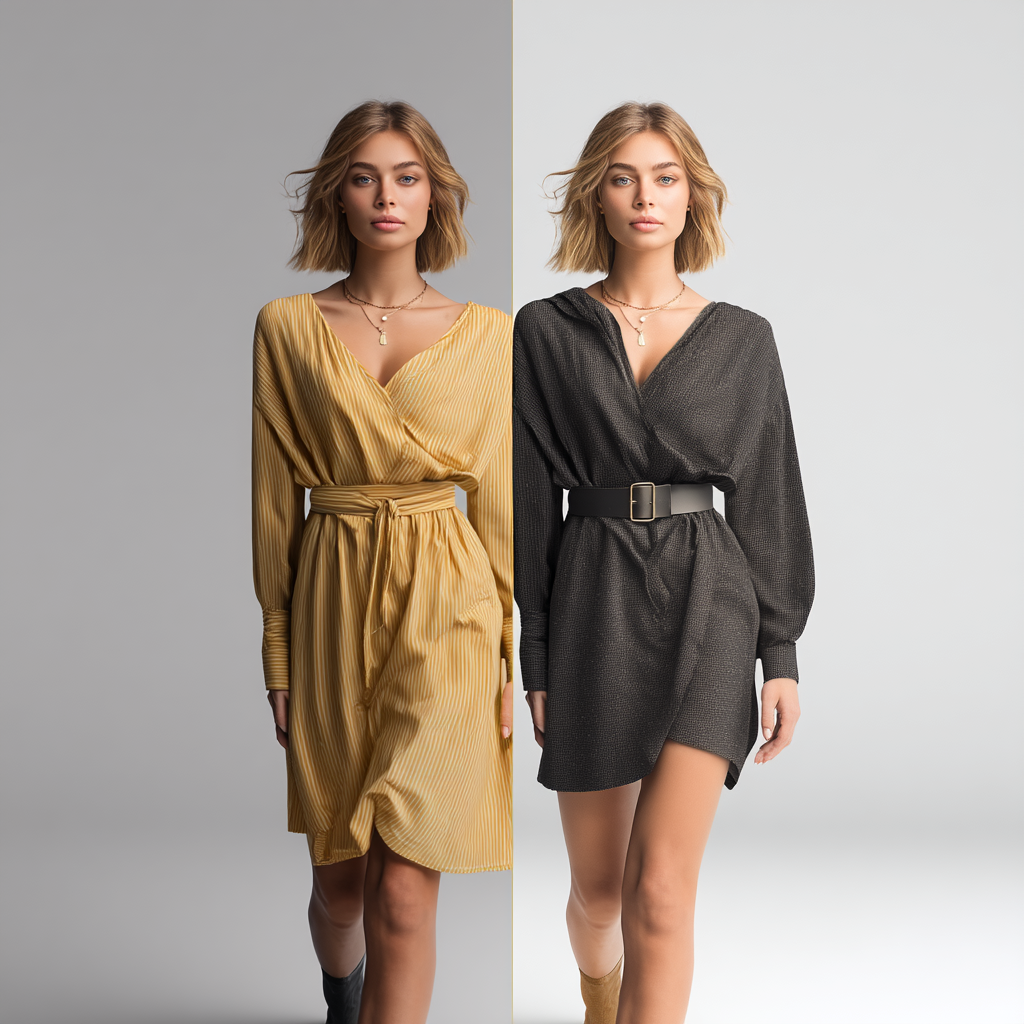
Think of it as a virtual dressing room on your phone. You upload a clear photo of yourself, add an image of clothing you want to try, and the system blends them together. The result? A realistic preview of you wearing the new look.
Unlike 3D avatar fitting systems, this approach is image-first. That means it’s fast, easy to use, and works without specialized equipment. Anyone with a smartphone can build a digital wardrobe and experiment with styles in seconds.
How It Works — Explained Simply

Image Credit - FreePixel
Most AI style generators follow four basic steps:
Identify the person — detect the pose and map the body.
Extract the garment — outline sleeves, collars, hems, and fabric.
Adjust the fit — reshape clothing to match the pose and body size.
Blend the image — add lighting, shadows, and texture so it looks natural.
Over time, these tools have become more advanced, preserving fabric details and producing results that look photorealistic.
Who Benefits Most
Everyday shoppers → Try on clothes virtually and avoid buying pieces that don’t suit you.
Fashion influencers → Create multiple looks for content without endless hauls.
Small retailers → Showcase the same outfit on different body types without costly shoots.
Online stores → Boost conversions and reduce return rates by adding a virtual fitting room feature.
Do These Tools Really Reduce Returns?
Yes, in many cases they do. Studies and pilot programs show that when customers see themselves in a product beforehand, they’re less likely to send it back. Some brands have reported a meaningful drop in size-related returns after adopting AI fashion apps.
The Sustainability Advantage
AI shopping assistants aren’t just about convenience — they can also help the planet. By reducing unnecessary purchases and fewer shipping returns, they cut down on waste and lower carbon emissions. Combined with recycling and rental programs, this could be a meaningful step toward sustainable fashion.
How to Get the Best Results
✔️ Use a high-quality, front-facing selfie with good lighting.
✔️ Upload clear garment photos with a straight-on view.
✔️ Keep the background simple and uncluttered.
✔️ Start with single-piece outfits like tops or dresses before layering complex looks.
✔️ Match the clothing angle to your pose whenever possible.
Things to Keep in Mind
Always use your own photos or ones you have permission for.
Make sure the clothing images are licensed or from legitimate sources.
Check whether the app saves your uploads and how your data is handled.
Transparency and consent are key — especially as AI tools become more common in fashion.
Final Thoughts
Virtual try-on apps are transforming the way people shop. For customers, they remove the uncertainty of online orders. For creators, they make content production faster and cheaper. For retailers, they offer a way to build trust and reduce costly returns.
The future of fashion is not just in the fitting room — it’s in the digital wardrobe on your phone. With AI fashion technology improving rapidly, expect these tools to become a standard part of online shopping in the years ahead.



Bike rental in Goa is the easiest and cheapest bike rental service in this much-loved tourist spot of India, named Goa.
Visitors in Goa refers Bike rental service, So to meet the necessity of so many people Bike rental in Goa has comes with a large number of bikes from several renowned brands.
Bike rental service in Goa is one of top demands among foreign tourists because it is altogether a different experience to explore a place all by your own.
The idea itself is adventurous.
Tourists especially foreigners love to stay in Goa for long and discover every corner of it with the help of a bike rental service.
Call us for booking 932 410 5234 or visit us at www.bikerentalingoa.in