

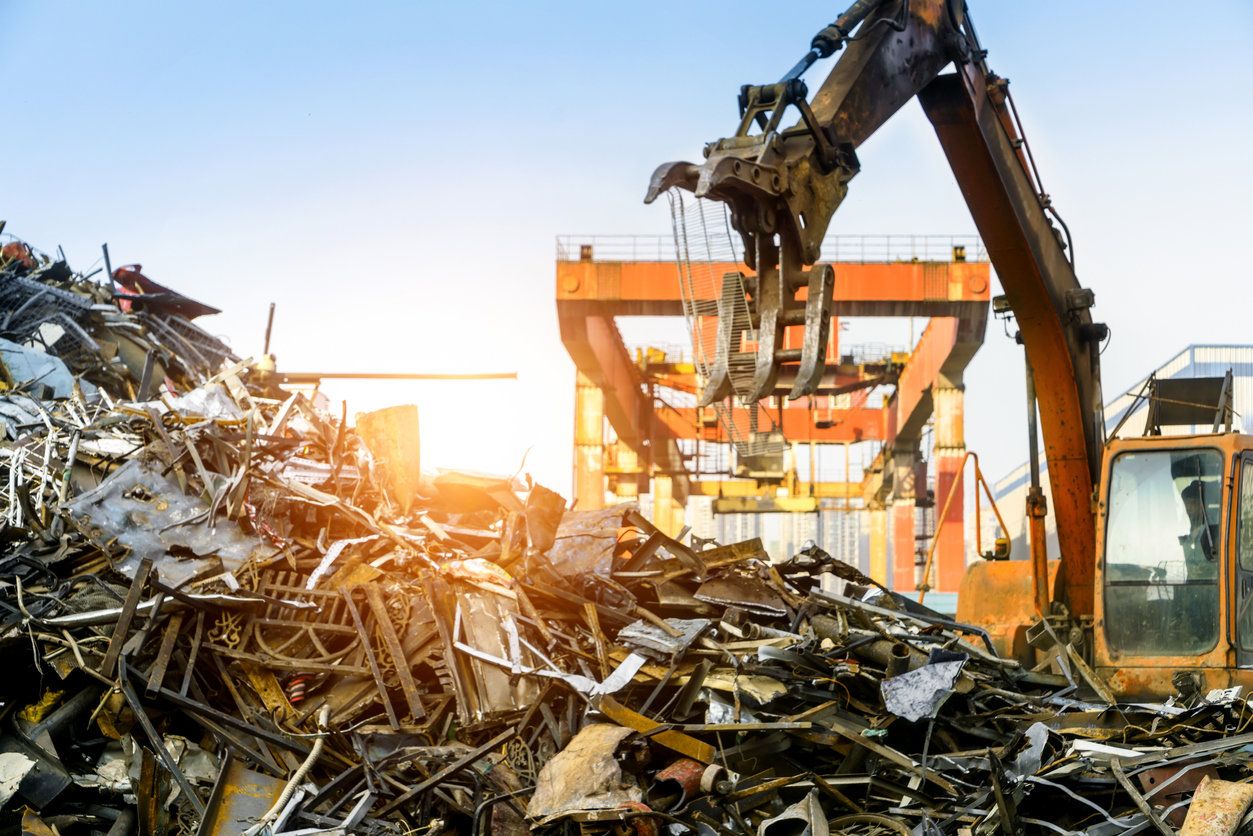
If you’re managing a construction project—whether it’s a home renovation, landscaping overhaul, or commercial build—you know that managing waste is one of the most critical tasks. Debris piles up fast, from broken drywall and lumber scraps to concrete and packaging materials. Without a plan, cleanup can become chaotic, expensive, and unsafe.
This is where a construction waste bin rental comes in. Having a dedicated bin on-site makes waste management organized, efficient, and compliant with local regulations. But not all bins are created equal, and choosing the wrong size can lead to multiple trips, excess costs, or unsafe work conditions. Let’s break down how to select the right bin for your project.
________________________________________
Why Choosing the Right Bin Size Matters
Renting a construction waste bin is more than just ordering a container and filling it up. The bin size affects:
• Project efficiency: An undersized bin will fill up quickly, requiring additional pickups and slowing work. Oversized bins take up space and may cost more than you need.
• Safety: Overfilled bins can create hazards on the job site, from falling debris to limited access for workers.
• Cost-effectiveness: Rental fees often depend on the bin size and weight limits. Choosing the right size can prevent unnecessary expenses.
• Environmental compliance: Properly sized bins help ensure waste is sorted correctly for recycling and disposal, reducing environmental impact.
________________________________________
Common Bin Sizes
Construction waste bins come in various sizes, usually measured in cubic yards. While providers may offer slightly different dimensions, the most common sizes include:
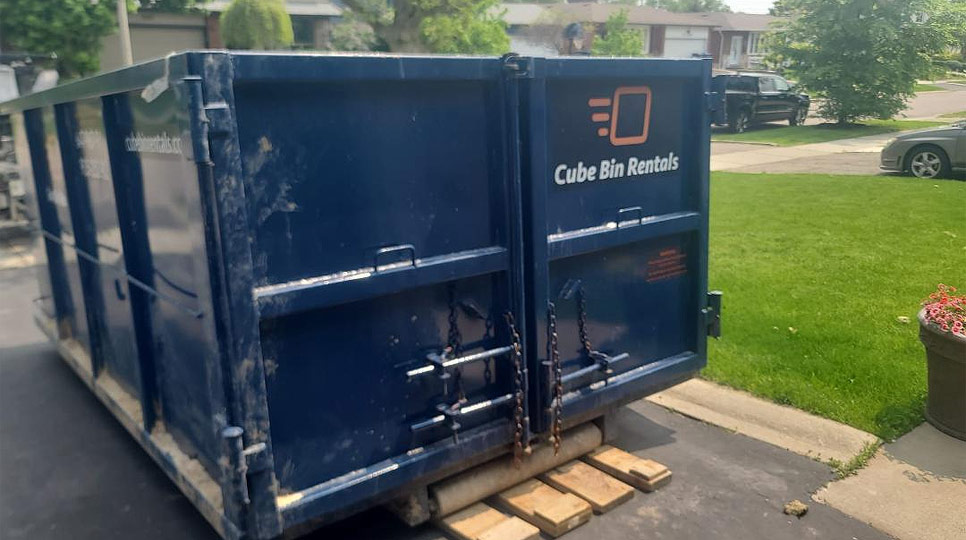
• 10-yard bins: Ideal for small renovations, basement cleanouts, or minor landscaping projects. They’re compact, easy to maneuver, and fit comfortably in most driveways.
• 15-yard bins: Suited for medium-sized projects, such as kitchen or bathroom remodels, deck replacements, or small home additions.
• 20-yard bins: Great for larger residential or light commercial projects. They can handle multiple tons of debris, including drywall, wood, and roofing materials.
• 30-yard bins: Best for large-scale construction, full home renovations, or commercial demolitions. They can hold substantial amounts of heavy materials like concrete or roofing shingles.
Choosing between these options requires a realistic assessment of your project’s size and waste type.
________________________________________
Assessing Your Project’s Waste Volume
Before ordering a bin, take the time to estimate the volume of waste your project will generate. Consider:
• Project scope: Are you replacing a single room or renovating an entire house? Larger projects need larger bins.
• Materials used: Heavy materials like concrete, bricks, and tiles will fill a bin faster and can quickly reach weight limits. Lighter materials, such as wood or drywall, occupy more space but weigh less.
• Duration: How long will your project last? If it spans several weeks, consider scheduling multiple pickups or renting a slightly larger bin to avoid overflow.
A good rule of thumb: overestimate rather than underestimate. Running out of bin space mid-project leads to frustration and extra trips.
________________________________________
Types of Construction Waste
Understanding the type of debris you’re generating can also influence bin selection:
1. Demolition Debris: Drywall, wood, bricks, concrete, and shingles. Often heavy, requiring bins with weight limits suitable for dense materials.
2. Landscaping Waste: Soil, sod, rocks, and garden debris. These are bulkier and sometimes wetter, meaning you may need a sturdier bin.
3. Mixed Waste: If your project produces a combination of wood, metal, plastics, and drywall, make sure the rental service allows mixed loads. Sorting may affect bin size and fees.
Some providers offer specialized bins for heavy materials like concrete to ensure safety and prevent damage to the bin or delivery vehicle.
________________________________________
Placement Considerations
Even after selecting the right size, where the bin goes on your site matters:
• Accessibility: The bin should be easily accessible to workers and trucks for pickups. Avoid placing it where vehicles or equipment will frequently maneuver.
• Surface: Place bins on a flat, stable surface to prevent tipping or shifting.
• Space constraints: Large bins, such as 30-yard containers, require significant space. Ensure your driveway or yard can accommodate them without blocking traffic.
• Local regulations: Some municipalities restrict bin placement on streets or sidewalks. Check local rules to avoid fines or towing.
________________________________________
Rental Duration and Scheduling
Most projects don’t finish in a single day, so it’s essential to coordinate the rental duration:
• Short-term projects: For cleanouts or small renovations, a 7-day rental is often enough.
• Medium to long-term projects: Larger renovations or commercial jobs may require rentals of two weeks or more.
• Pickup scheduling: Keep in mind that scheduling a pickup too late can lead to overfilled bins, while scheduling too early may leave unused space.
Communicating your project timeline with your bin rental provider ensures efficient service.
________________________________________
Cost Considerations
The cost of a construction waste bin rental depends on:
• Bin size and type: Larger bins and heavy-duty models cost more.
• Weight of waste: Exceeding the bin’s weight limit can incur extra fees.
• Duration: Longer rentals increase the total cost.
• Delivery and pickup: Most services include these fees, but confirm before ordering.
Planning ahead helps you choose a bin size that balances capacity and cost. Overestimating slightly is usually better than underestimating, which can result in multiple trips or additional rental fees.
________________________________________
Tips for Maximizing Bin Use
Once your bin is on-site, you can make the most of it by:
• Breaking down large items like plywood, drywall, or furniture to maximize space.
• Stacking materials evenly to avoid overfilling on one side.
• Separating hazardous materials and recyclables so you stay compliant and avoid fines.
• Keeping the bin accessible to avoid wasted time and prevent overloading.
Efficient usage ensures a smooth cleanup and reduces the risk of exceeding weight limits.
________________________________________
Final Thoughts
Choosing the right construction waste bin rental is a critical step in managing your project efficiently, safely, and cost-effectively. Understanding your project’s scope, waste type, duration, and available space will help you select the perfect bin size.
Whether it’s a small bathroom remodel, a large home renovation, or a commercial construction job, planning your bin rental properly can save time, reduce stress, and ensure compliance with environmental regulations. By choosing the right bin and using it effectively, you make cleanup easier and contribute to a safer, more organized worksite.
Proper planning and the right bin size transform a potentially messy process into a smooth, hassle-free part of your project. Don’t wait until debris starts piling up—make your construction waste management plan a priority from day one.