Caring for someone with dementia can feel overwhelming, especially when you're unsure of which products are most beneficial. Whether you're a family caregiver or a professional providing care in a facility, the right dementia care products can significantly improve safety, comfort, and quality of life for both the patient and the caregiver. From simple, budget-friendly tools to more advanced technology, this guide will walk you through the essential Alzheimer’s care products that every caregiver should consider.
1. The Essential Caregiver’s Checklist: Prioritize Safety and Comfort
When caring for a loved one with dementia, there are two main priorities: ensuring their safety and maximizing their comfort. Thankfully, there are several best products for dementia patients that can help caregivers accomplish both goals.
First and foremost, a bed exit alarm is one of the most effective safety tools available. Alzheimer’s patients, especially in the later stages, can be at a heightened risk of falling, particularly when they attempt to get out of bed. Bed exit alarms work by detecting when a patient attempts to rise from bed, sending an immediate alert to the caregiver. This proactive approach can help prevent falls and the injuries that often follow them.
2. Bed Exit Alarms: The Must-Have Safety Tool
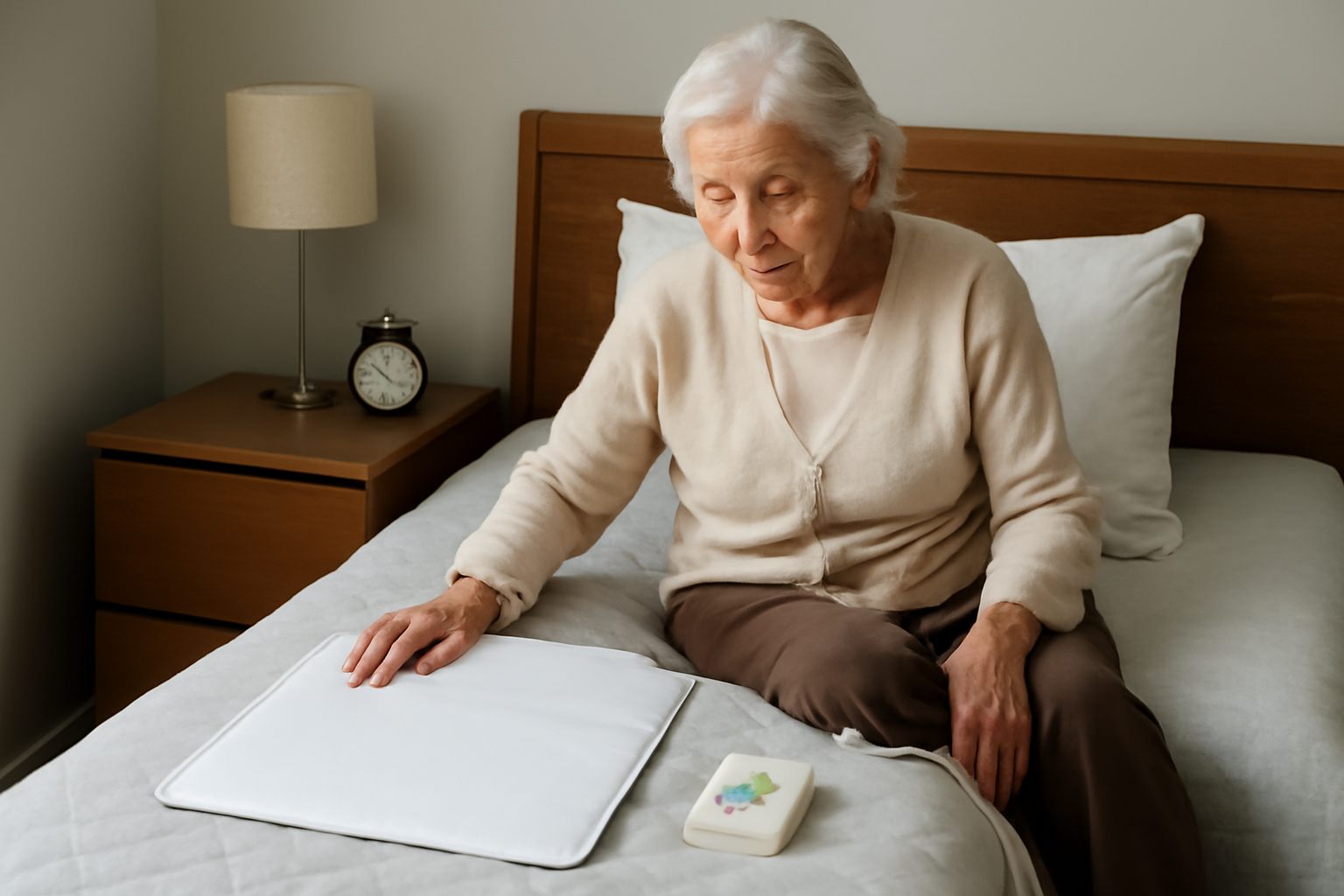
For families and caregivers, bed exit alarms are crucial for monitoring the movements of dementia patients. These alarms typically feature a pressure-sensitive mat placed under the mattress, which sends an alert if the patient tries to get up. This is particularly useful at night, when wandering is most common.
Why are bed exit alarms so essential? People with Alzheimer’s disease often suffer from impaired judgment, which means they may attempt to leave their bed without recognizing the risks. Bed exit alarms help caregivers respond promptly before an accident happens. In fact, they are often regarded as one of the best products for dementia patients due to their ability to reduce fall-related injuries significantly.
3. Medication Management: Simplifying Daily Doses
Ensuring that a dementia patient takes the right medications at the right time is crucial. However, as the disease progresses, many patients forget to take their medication or become confused about when they need to take it. This is where medication management products come in.
Automatic pill dispensers are one of the most effective dementia care products on the market. These devices are designed to store and dispense the correct dose of medication at the scheduled time, minimizing the risk of errors. For a lower-tech but equally effective option, simple pill organizers with clearly marked days and times can be a lifesaver. Both options help caregivers stay organized and ensure that their loved one takes the proper medication, preventing unnecessary complications.
4. Cognitive Aids: Memory Boosting Products
Memory loss is one of the most challenging aspects of dementia care. Fortunately, there are several affordable and effective Alzheimer’s care products designed to assist with memory retention and cognitive function. These include memory boards, digital calendars, and visual reminder systems.
For instance, a visual reminder board with pictures and words can help patients remember key daily tasks, such as brushing their teeth or taking their medication. Another great option is a digital photo frame that can display a slideshow of familiar faces, locations, and activities, which helps patients feel more connected to their surroundings. Memory-enhancing devices like these are incredibly useful for boosting cognitive function and maintaining a sense of continuity in the patient’s life.
5. Comfortable Personal Care Products
Personal care routines can become increasingly difficult as dementia progresses, but there are plenty of affordable Alzheimer’s care products that can assist with hygiene and grooming. One of the simplest yet most effective solutions is easy-to-use grooming tools like adaptive toothbrushes, combs, and hairbrushes. These products are designed to be easier to handle, which can improve the patient's ability to maintain independence.
Similarly, bath safety products, such as grab bars, non-slip mats, and shower chairs, are essential for ensuring that the patient is safe during bath time. These items help reduce the risk of slips and falls, which are especially important for dementia patients who may have balance issues. With these basic tools, caregivers can help their loved ones maintain their personal hygiene while keeping them safe and comfortable.
6. Creating a Safe Environment: Fall Prevention and Security
In addition to bed exit alarms, several other safety products are essential for creating a secure living environment. For example, motion-sensing lights can be installed to help guide a dementia patient through the house at night, reducing the risk of accidents. These lights automatically turn on when they detect movement, offering a safe pathway for patients to walk to the bathroom or another room.
In addition to lighting, door alarms are another useful tool to help prevent wandering. These alarms alert caregivers if the patient attempts to leave the house or enter unsafe areas. Whether used to monitor bedroom doors, front doors, or gates, door alarms are a cost-effective way to ensure that dementia patients don’t wander outside without supervision.
7. Easy Communication: Bridging the Gap with Communication Aids
Communication can be a challenge for people with dementia, especially as the disease advances. Many patients struggle to express themselves verbally, which can lead to frustration. Luckily, several dementia care products are designed to assist with communication.
For instance, communication boards allow patients to point to pictures or words that represent their needs, such as food, drink, or bathroom requests. This simple tool helps bridge the communication gap between caregivers and patients, allowing for clearer exchanges. Additionally, audio devices that play recorded messages can help patients remember key information, such as family names or daily routines. These aids can improve the overall caregiving experience and reduce stress for both patients and caregivers.
8. Activity and Engagement Tools: Keeping Minds Stimulated
Keeping a dementia patient mentally engaged is vital for their well-being. Luckily, there are a wide variety of affordable Alzheimer’s care products designed to stimulate cognitive function and provide enjoyment. Simple, interactive puzzles or memory games, for example, can be an excellent way to keep the mind active.
Additionally, sensory products like tactile toys, music players, and textured materials can offer both mental and emotional benefits. These products provide comfort and engagement for patients, especially during moments of agitation or restlessness. Finding the right balance between stimulating and calming activities is key, and there are plenty of affordable options available to meet the needs of dementia patients at various stages of the disease.
9. Technology: The Future of Dementia Care Products
While traditional dementia care products remain vital, technology has made a significant impact on Alzheimer’s care. Wearable devices, for example, can track the patient’s movements, heart rate, and sleep patterns. These devices often connect to a caregiver’s phone or computer, sending real-time alerts if the patient’s health or behavior changes.
Another technological advancement is voice-assisted devices that can help dementia patients perform everyday tasks, such as turning on lights or playing music. While these products tend to be slightly higher in cost, they provide immense value by improving the patient’s quality of life and reducing caregiver stress. As technology continues to evolve, we can expect even more tools that help caregivers provide better, more effective care for dementia patients.
Conclusion: The Power of the Right Products in Dementia Care
Choosing the best products for dementia patients doesn’t have to mean spending a fortune. From bed exit alarms to memory aids, personal care items, and safety tools, there are plenty of dementia care products that can improve the quality of life for both the patient and the caregiver. By focusing on safety, comfort, and engagement, caregivers can create a supportive environment that allows dementia patients to live with dignity and security.
Whether you are looking for simple, low-cost solutions or advanced technology, the right tools can make all the difference in dementia care. By selecting a mix of affordable and effective products, caregivers can provide the best possible care while keeping both the patient and their family members safe and comfortable.