


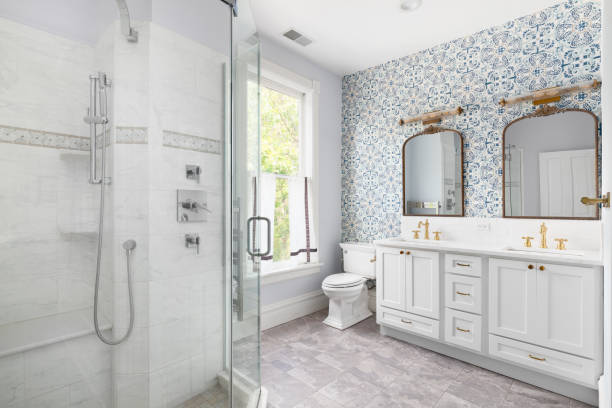
There’s something satisfying about turning a tiny, awkward bathroom into a space that feels bright, organised, and stylish. I live in inner‑Melbourne and have helped a few friends with their compact ensuites, so I’ve seen first‑hand which tricks work—and which ones waste your money. If you’re about to tackle your own small bathroom renovation, here are what I’ve learnt, what to watch out for, and how to make smart design choices without losing style.
Why Small Bathrooms Need Extra Thought
Melbourne homes—especially in suburbs like Fitzroy, St Kilda, Carlton—are full of period terraces or older units where bathrooms are modest size. Sometimes as small as 2m × 1.5m. The catch is: despite the size, you still need waterproofing, good lighting, ventilation, and quality materials. Because everything’s crammed together, mistakes show up much more—wrong tile layout, low ceilings, or bad lighting can make it feel claustrophobic. Trust me, I’ve stood in bathrooms where the mirror added 2cm of depth and it made a surprising difference.
What It Might Cost You (Melbourne, 2025)
From that people I know and contractors I’ve spoken with are paying in Melbourne right now, here are rough cost estimates depending on how much you want to transform:
Modest Freshen-Up: Keep the layout, swap fittings, re‑tile shower/splashback, repaint. In suburbs like Footscray or Preston, this often comes in around AUD $12,000–$18,000.
Mid‑Upgrade: Better tiles, maybe wall‑hung vanity, better lighting, a nicer shower screen, possibly moving a tap or small reconfiguration. Prices tend to be around AUD $18,000–$28,000.
Premium/Designer Compact Bathroom: Think custom cabinetry, designer tapware, frameless or curved glass screens, maybe premium finishes like matte black or brushed metals. In this scenario, expect AUD $30,000–$40,000+, depending on how ambitious you get.
One case I saw: a tiny ensuite (about 1.9 × 1.7 m) was renovated with budget limits, swapping the swing door for a sliding one, choosing compact fixtures, and doing a lot of prep themselves. End cost was around AUD $16,500. That shows you can do good work even in tiny spaces without going overboard.
What Makes the Biggest Difference in Small Bathrooms
Here are the design moves that truly help maximise space and style—things I wish more people paid attention to from the get‑go.
Free Up the Floorspace
Wall‑hung vanities and toilets work wonders. When you lift things off the floor, cleaning gets easier, and visually the room looks less boxed‑in. I remember a renovation in North Melbourne where simply going for a floating vanity instead of a full‑cabinet saved nearly 150mm of floor depth—and that made the vanity feel much more accessible.
Glass Over Barriers
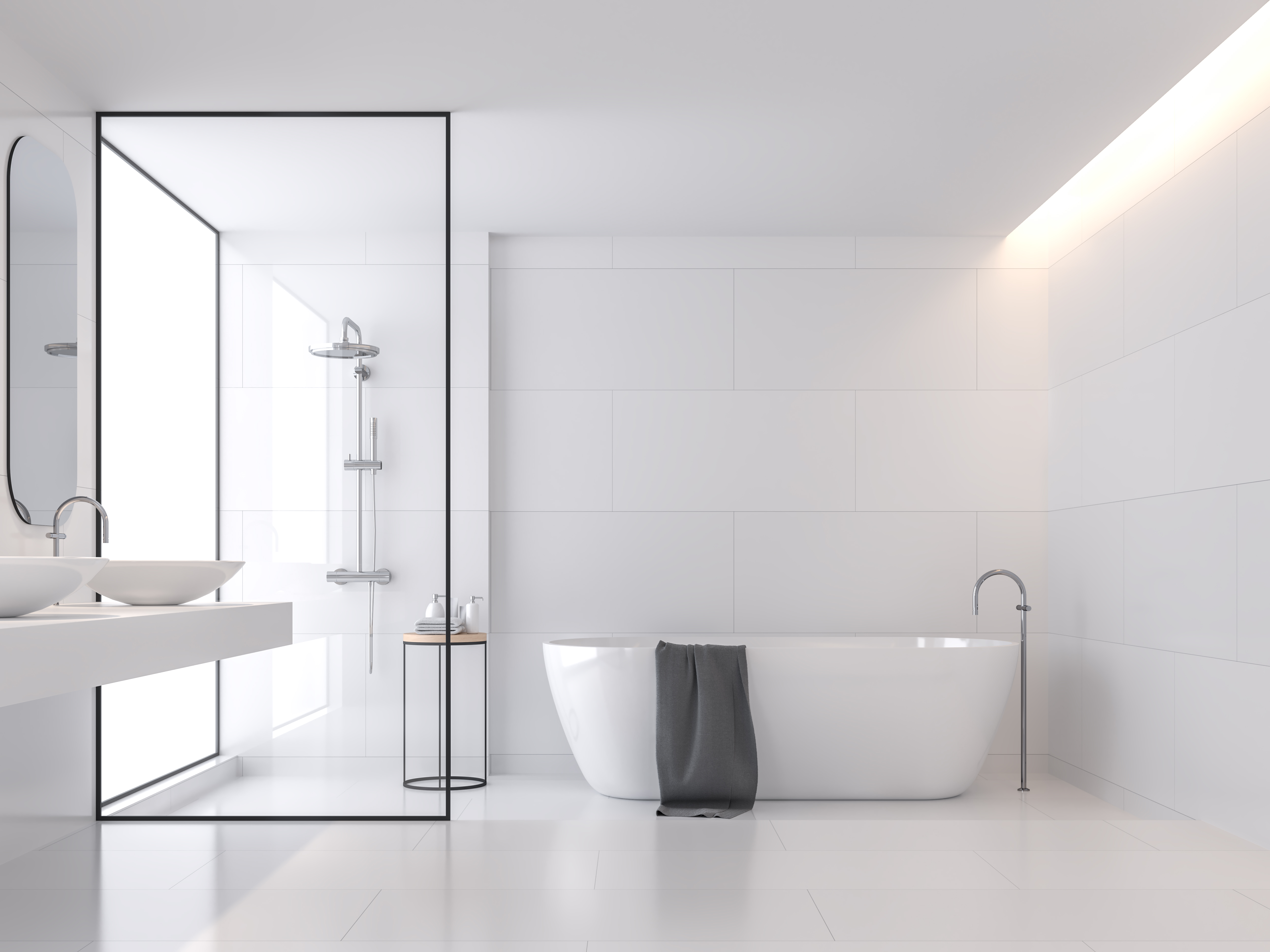
Frameless or thin‑frame glass shower screens let light pass through and keep sight lines clean. Traditional frosted glass or heavy frames might offer privacy, but at the cost of making the space look chopped up. If it’s possible, go with clear glass.
Use Large Tiles, Light Colours, Reflective Surfaces
Big tiles = fewer grout lines, which means less visual noise. Pair that with pale, neutral tones (soft greys, off‑whites, warm beiges) and maybe glossy tiles or a large mirror to bounce light around. Windows or skylights help, but when natural light is limited, mirrors and lighting become critical.
Smart Storage That Hides Clutter
You can’t avoid storage, but you can hide it. Recessed niches in showers, medicine cabinets built into the wall, or tall cabinets up high use vertical space well. Even slimline shelves above the door or around the vanity make difference. One friend’s ensuite had nearly no shelf space—adding a mirrored cabinet above the sink immediately tidied up the bench clutter.
Mind the Door and How You Enter
Doors can eat up space. A swinging door can block access or make you bump into fixtures. Sliding or pocket doors are a bit more work, but they can open up possibilities. Also think of positioning: when you walk in, what do you see first? The toilet? The shower? If you can hide the toilet behind a nook or behind the door, it helps the space feel more luxurious.
Layer Lighting Thoughtfully
Good lighting makes a small room feel large. Overhead lights are essential, but they need to be supplemented with task lighting (at the mirror or vanity) and maybe some accent lighting (under‑floating vanities, LED strips behind mirrors). Warm light helps avoid the ‘clinical’ feel. One designer I spoke with in Mornington emphasised LED lighting hidden under shelves to reduce shadowy corners.
Material & Fixture Decisions That Don’t Stretch the Budget Unnecessarily
Here are places you can pick good value without compromising on how the bathroom looks or performs.
When choosing tiles, pick larger, standard sizes that are easier to install. Specialty sizes or custom tiles will cost more.
For tapware, look for durable mid‑brand options with good warranties rather than jumping straight to luxury brands. Matte black or brushed finishes are trendy, but cheaper chrome often lasts better in the long run.
Shower screens: frameless tempered glass looks great but gets more expensive. Semi‑frameless can give similar clean visuals with smaller cost.
Vanities: stock pieces can look good if chosen well. Sometimes just replacing handles, or changing the countertop, or painting the existing vanity is enough.
Ventilation & waterproofing: don’t skimp. Proper waterproofing, exhaust fans, correctly sealed windows, good drainage—these are things you might never see in magazines, but will make or break the bathroom later on.
Local Stuff to Keep in Mind Around Melbourne
From my experience and chatting with tradies or licensed bathroom renovation contractor in Melbourne, here are local things that can either cost you more or be leveraged to your advantage.
Heritage overlays / council regulations: If your house falls under heritage jurisdiction, some materials or styles need special approval, which adds time & cost.
Tight access or narrow streets: inner suburbs often have logistical challenges. Deliveries, trades parking, moving big tile sheets—all slower than “ballpark” estimations.
Climate & humidity: Melbourne has damp months. Moisture control is real. Even if it costs you more up front, a good exhaust fan, correct sealing, and appropriate grout/tiles avoid mildew, peeling paint, or worse.
Material availability & lead time: some special tile patterns or designer fittings may have long lead times. So you can pick something trendy, but make sure you don’t delay the whole project—or pay premium freight.
Quick Scenarios: What You Might Spend
Here are two “real” mini‑case studies I’ve either seen or heard of, to ground all this in what actual Melbournians are doing.
The Minimalist Ensuite: 1.9 × 1.7 m space. Same layout, sliding door instead of swing, wall‑hung vanity, frameless screen, basic tiles and fittings. Owner handled some DIY (painting, demolition). Final cost: ≈ AUD $16,500. That felt “bigger” after renovation because of clean lines and light colours.
Mid‑Range Compact Bathroom: Small family home in outer suburbs, wanting nicer finishes. Used large format matte tiles, upgraded lighting, custom niche in shower, semi frameless screen, premium tapware. Cost ended up about AUD $25,000‑$30,000.
Final Thoughts
If I were doing my own small bathroom reno tomorrow, I’d spend time sketching exactly how I move from the doorway through the space—where light falls, where shadows are, what I see first. I’d invest in a large mirror, get a good glass shower screen, pick a floating vanity, and keep colours neutral. I’d budget a cushion—at least 10%‑15%—just in case the old walls are hiding something awful or I change my mind about a fixture.
Done well, a small bathroom in Melbourne doesn’t feel small anymore. It feels intentional.

Whether you are searching for big or large bathroom renovation services, Guild Properties is perfect for you.
We are dedicated to offering unbeatable small bathroom renovation services at affordable price.