

Lavender oil has become a staple in homes worldwide, thanks to its calming aroma, therapeutic benefits, and versatility in wellness routines. From aromatherapy and skincare to stress relief and sleep support, this essential oil is highly valued. However, not all lavender oils are created equal. Choosing the best lavender oil for your needs requires understanding its quality, source, and intended use.
In this guide, we’ll help you navigate the essential factors to consider when purchasing lavender oil so you can make informed decisions and enjoy its full benefits.
1. Understand the Types of Lavender Oil
Lavender oil comes in several varieties, each with unique properties:
- Lavandula angustifolia (English Lavender): Known for its sweet, floral aroma, ideal for relaxation, skincare, and sleep support.
- Lavandula latifolia (Spike Lavender): Often used in medicinal and respiratory applications due to its higher cineole content.
- Lavandula x intermedia (Lavandin): A hybrid with a stronger, camphorous scent, commonly used in perfumes and cleaning products.
Knowing the type of lavender oil will help you match it to your specific needs—whether it’s for lavender oil for hair, skin, or aromatherapy.
2. Check for Purity and Authenticity
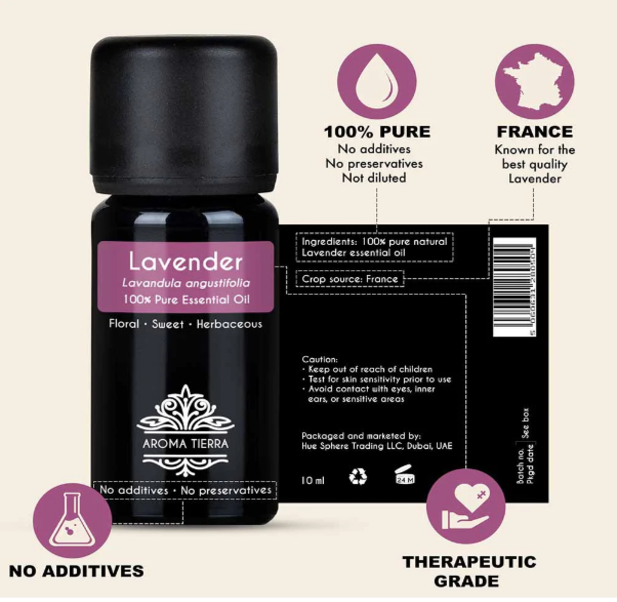
One of the most important factors in choosing lavender oil is ensuring its purity. Pure essential oils are potent and effective, while adulterated oils may contain synthetic fragrances or fillers that reduce benefits.
Tips to verify purity:
- Look for 100% pure lavender oil on the label.
- Check the botanical name (Lavandula angustifolia, etc.).
- Avoid oils labeled as “fragrance oil” or “lavender-scented oil.”
- Consider buying organic-certified oils to ensure no pesticides or chemicals.
High-quality lavender oil can also double as lavender massage oil or lavender body oil when blended with a carrier oil, offering multiple uses in your wellness routine.
3. Source Matters: Origin of the Lavender
The region where lavender is grown can significantly impact its quality. High-altitude regions with rich soil and optimal sunlight, such as Provence in France, are known for producing premium lavender oil. Similarly, certain areas in the USA and Canada cultivate high-quality lavender with strong aromatic and therapeutic properties.
When buying, check the country of origin on the label. Authentic oils from recognized lavender-growing regions typically offer the best fragrance and efficacy, making them ideal for lavender oil for skin or hair treatments.
4. Extraction Method
The method used to extract lavender oil affects its purity and effectiveness:
- Steam Distillation: The most common method, producing high-quality oil with all its natural therapeutic properties.
- Solvent Extraction: Less preferred; may leave chemical residues in the oil.
For therapeutic or aromatherapy use, always choose steam-distilled essential oils.
5. Packaging and Storage
Lavender oil is sensitive to light, heat, and air, which can degrade its quality. Proper packaging ensures the oil remains potent:
- Look for dark amber or cobalt blue glass bottles.
- Ensure the bottle has a tight cap to prevent oxidation.
- Avoid plastic containers, which can react with the oil.
6. Intended Use
Your choice of lavender oil should align with how you plan to use it:
- Aromatherapy: Pure lavender oil is ideal for diffusers.
- Massage: Blend with a carrier oil for lavender massage oil.
- Skincare: Use high-quality oil for lavender oil for skin or lavender body oil.
- Hair Care: Add a few drops to shampoos or treatments for lavender oil for hair.
- Stress & Sleep Support: English lavender oil is most effective for calming effects.
7. Price vs. Quality
While price isn’t the only indicator of quality, extremely cheap lavender oils are often diluted or synthetic. Investing in a slightly higher-priced, pure essential oil ensures better fragrance, potency, and therapeutic benefits.
8. Test Before Use
Before applying lavender oil to skin or hair, conduct a patch test to avoid irritation. Even high-quality oils can cause reactions in sensitive individuals. A small test on the inner arm or wrist will help determine compatibility.
Conclusion
Choosing the best lavender oil for your needs involves more than picking the prettiest bottle on the shelf. Focus on purity, type, origin, extraction method, and packaging to ensure you get the most effective oil for your wellness routine.
Whether you are using lavender oil for relaxation, skincare, or aromatherapy, investing in a high-quality essential oil can transform your daily routine and enhance your overall well-being. For those looking for premium, pure, and authentic options, explore Sahu Sacred Oil, trusted for its quality and holistic benefits.