


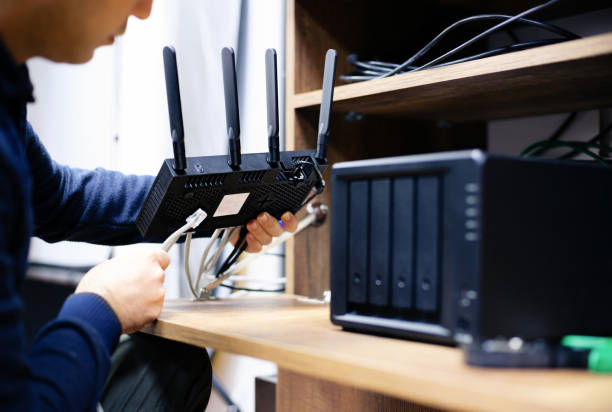
Online gaming demands precision, speed, and real-time responsiveness. Two of the most critical technical factors in this regard are latency and ping. Latency is the delay before a transfer of data begins following an instruction, and ping is the signal sent to test this latency. Even a delay of milliseconds can drastically affect performance in fast-paced competitive games like Call of Duty, Fortnite, or Valorant. Standard routers often struggle to manage multiple devices and maintain low ping during heavy usage, especially when someone else in the house is streaming or downloading files. This can lead to lag, disconnects, and overall frustration during intense gameplay.
Gaming routers are designed specifically to minimize latency and stabilize ping rates. They use technologies like Quality of Service (QoS) to prioritize gaming traffic over other types of data, ensuring that your connection stays strong and consistent. They also support dual or tri-band frequencies, reducing network congestion and allowing for smoother gameplay. For serious gamers who participate in ranked matches, online tournaments, or streaming, reducing lag is not just a luxury—it’s a competitive necessity. By understanding the foundational impact of latency and ping, it's clear that a gaming router provides an edge that traditional routers simply can't.
Quality of Service (QoS): Prioritizing What Matters
One of the standout features of gaming routers is Quality of Service (QoS). This technology allows the router to prioritize traffic based on what’s most important to the user. For gamers, this means giving bandwidth priority to gaming devices or applications over background tasks like video streaming, file downloads, or social media. Without QoS, your gaming session could easily be interrupted or slowed down if someone in your household starts a 4K Netflix stream or backs up data to the cloud. The difference with QoS is clear: your game stays fast and smooth regardless of what’s happening on the rest of the network.
Gaming routers often include customizable QoS settings, allowing users to define what traffic gets prioritized. You can manually assign high priority to your gaming console, PC, or specific games and services. Some high-end models even offer app-based or AI-driven QoS, which automatically detects and adapts to changing network conditions. With this kind of control, gamers can ensure their experience is uninterrupted and optimized. Whether you’re in a crucial ranked match or broadcasting live to Twitch, QoS is the safety net that keeps your connection clean. For competitive gamers, this level of control is not just useful—it’s essential.
Advanced Hardware for Gaming Performance
Standard routers are made for general household use, which means they often lack the power and performance serious gamers need. Gaming routers, on the other hand, come with high-performance hardware built for low latency, high-speed processing, and heavy data loads. These routers are equipped with faster processors, larger RAM, and more powerful antennas to ensure maximum coverage and throughput. This means they can handle multiple devices at once without compromising speed—perfect for modern homes filled with smartphones, tablets, smart TVs, and gaming rigs.
Additionally, gaming routers often support the latest Wi-Fi standards, such as Wi-Fi 6 or Wi-Fi 6E, which offer better speed, efficiency, and performance in congested environments. These technologies provide improved data transfer rates and better management of simultaneous connections. This is especially important for gamers who play wirelessly or stream gameplay. With high-speed, stable connections and robust internal components, gaming routers eliminate bottlenecks and provide consistent performance. The result? Faster load times, reduced lag, and a smoother, more immersive gaming experience that general routers simply can't match.
Customization and Control: Tailor Your Network to Your Game
Gaming routers shine when it comes to customization. Unlike standard routers with basic admin panels, gaming routers offer detailed, user-friendly interfaces that give users control over every aspect of their network. From port forwarding to bandwidth allocation, and from device prioritization to network monitoring, serious gamers can fine-tune settings to meet their unique needs. This level of control ensures that nothing interferes with your gameplay, whether it's a sudden spike in traffic or an unexpected firmware update.
Some gaming routers also come with dedicated apps or dashboards that allow real-time performance tracking. You can monitor ping, bandwidth usage, and connected devices with ease. Features like geo-filtering let you limit server connections to nearby regions, reducing lag caused by distant servers. Meanwhile, VPN support allows secure connections for gamers who value privacy or want to access different regional content. For streamers, content creators, or esports competitors, this level of customization and network insight can make a huge difference in both performance and consistency. It’s like having a command center for your internet, right at your fingertips.
Security Features Designed for the Gaming Environment
Security is often overlooked in gaming, but it’s absolutely critical. With online threats on the rise—from DDoS attacks to data breaches—gamers need more than just antivirus software. Gaming routers come equipped with advanced security features designed to protect both your data and your gameplay. These include firewalls, encrypted traffic handling, and built-in threat detection systems that can identify and block suspicious activity in real time. For competitive players, especially streamers, this is key to maintaining uptime and protecting personal information.
Some high-end gaming routers even come with DDoS protection, which can help prevent attacks that flood your connection and force you offline during crucial matches. Others offer VPN support, allowing encrypted access to networks across the world. Parental controls, guest networks, and scheduled access features can also help you keep your network secure and organized. Serious gamers need a stable, reliable connection, and that starts with strong security. A gaming router provides peace of mind, knowing your connection is safe from interruptions—whether caused by hackers, malware, or poorly secured devices.
Future-Proofing Your Setup for Next-Gen Gaming
Gaming is constantly evolving. With the rise of cloud gaming, virtual reality, and ultra-high-definition streaming, the demands on home networks are increasing fast. Gaming routers are built not just for today’s needs, but for future technologies as well. They support the latest Wi-Fi standards (like Wi-Fi 6/6E and soon Wi-Fi 7), multi-gig internet speeds, and software updates that keep your device current. Investing in a gaming router today means you won’t need to replace it in a year when newer games and services demand more from your network.
This future-proofing also ensures compatibility with the latest gaming consoles, PCs, and services. Whether you're using an Xbox Series X, PlayStation 5, a high-end gaming PC, or leveraging cloud services like NVIDIA GeForce NOW or Xbox Cloud Gaming, your router will be ready to handle it all. As 4K, 8K, and VR become more mainstream, your router will need to push more data, faster and more efficiently. A standard router may struggle to keep up, but a gaming router is built for performance now and in the future. For serious gamers, this is an investment that pays off long term.
Competitive Advantage: Every Millisecond Counts
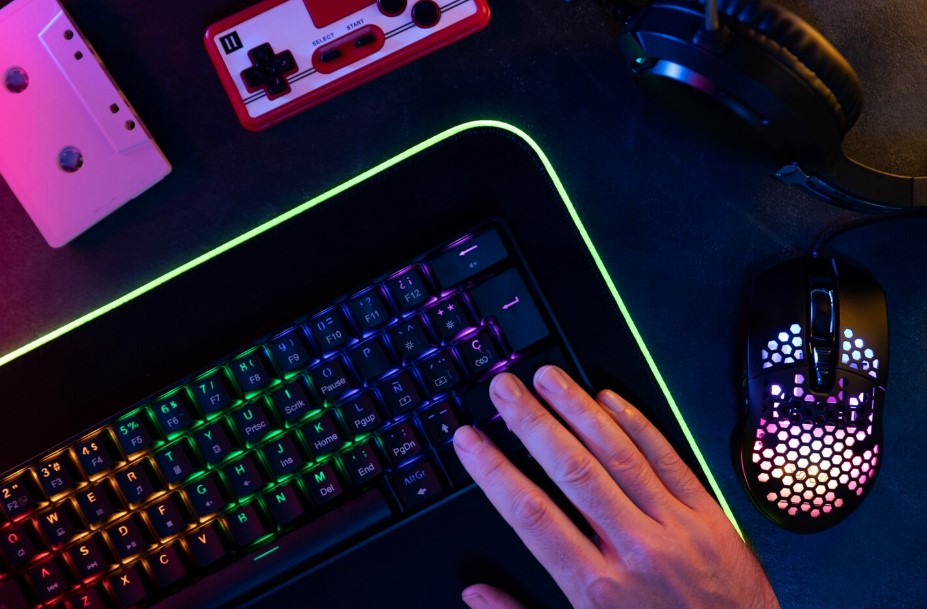
In the competitive world of online gaming, even the smallest edge can mean the difference between victory and defeat. Gamers spend thousands on high-refresh-rate monitors, mechanical keyboards, and ultra-responsive mice to gain an advantage. But without a high-performance gaming router, all of that gear is bottlenecked by your internet connection. Gaming routers provide that final piece of the puzzle—ensuring that your skill isn’t limited by lag, packet loss, or poor connection quality.
Many esports players and streamers rely on dedicated gaming routers to maintain consistency and avoid technical issues mid-stream or during a tournament. Competitive games like CS:GO, Apex Legends, Rocket League, and League of Legends require lightning-fast response times, where even a few dropped frames or milliseconds of lag can result in a loss. A gaming router gives you the confidence that your network won't let you down when it matters most. For serious gamers looking to climb the leaderboards, compete at a professional level, or simply enjoy uninterrupted gaming, a dedicated router isn't just helpful—it's essential.
Conclusion: Level Up Your Network, Level Up Your Game
Gaming routers may seem like a luxury to some, but for serious gamers, they are a critical piece of the performance equation. From reducing latency and prioritizing gaming traffic to offering advanced security and future-ready technology, these devices provide a tangible edge in both casual and competitive play. As the gaming world continues to evolve, with faster, more immersive experiences becoming the norm, your network needs to keep up.
Investing in a gaming router means investing in your performance, reliability, and peace of mind. Whether you're grinding through ranked ladders, live-streaming to a global audience, or immersing yourself in the latest AAA title, a gaming router ensures you're getting the best experience possible. Don’t let lag, drops, or unstable connections hold you back—upgrade your router, and upgrade your game.


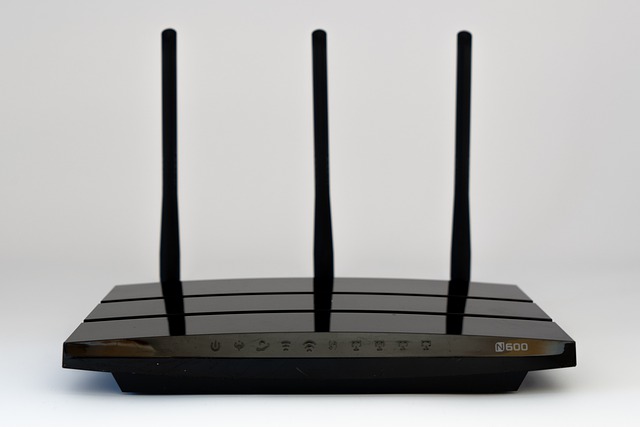

Netgear router installation company serving all Netgear routers problem solution from many years on the USA.
We have experienced and qualified router professional team.
They can handle any type of Netgear problem and suggest your best way to find out.
Our services including Netgear router installation, router setup, Netgear login, password, Netgear guide, and all Netgear setup configuration.
Our top Netgear brands are Netgear router, tp-link router, Linksys router, amped router, Belkin router, and others.