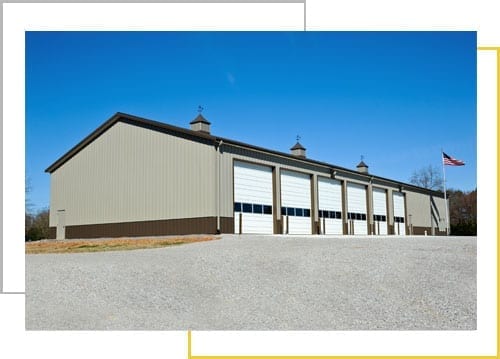


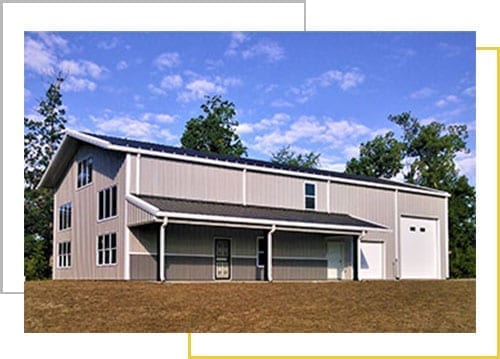
When it comes to crafting a modern, durable, and efficient home, Pre-Engineered Metal Buildings offer an incredible blend of strength, flexibility, and aesthetics. In this post, we’ll walk you through how to design your ideal metal home using pre-engineered structures - from key advantages to design tips and practical considerations.
Why Choose Pre-Engineered Metal Buildings for Your Home?
Before diving into design details, let’s explore what makes Pre-Engineered Metal Buildings a compelling option for residential living:
• Speed & Efficiency: Because components are fabricated off-site, site assembly is much faster than traditional build methods.
• Cost Savings: Lower labor costs and reduced material waste help bring down overall expenses.
• Durability & Low Maintenance: Steel does not rot, warp, or suffer from termite damage; it's also resilient to extreme weather.
• Design Flexibility: You can have open floor plans, higher ceilings, and fewer internal load-bearing walls.
• Energy Efficiency & Sustainability: With proper insulation and finishes, metal homes can maintain comfort with lower utility costs.
• Easy Expansion: It’s simpler to extend or modify parts of a pre-engineered structure later.
These benefits make pre-engineered metal homes ideal for homeowners who want modern aesthetics, long-lasting structure, and smart performance.
Steps to Design Your Dream Metal Home
Below is a roadmap you can follow when designing a residential metal structure:
1. Define Your Requirements & Vision
• List out what you need: number of rooms, floor layout, special features (lofts, mezzanines, large windows).
• Envision the architectural style: modern, industrial, barn house, or hybrid.
• Consider local climate and site conditions (wind loads, snow loads, seismic zones) to ensure structural safety.
2. Choose the Right Structural System
• Frame Type: Clear span vs. multi-span. Clear span offers open interiors with no internal columns, great for wide open rooms.
• Roof & Wall Panels: Pick from standing seam, corrugated, insulated panels, etc.
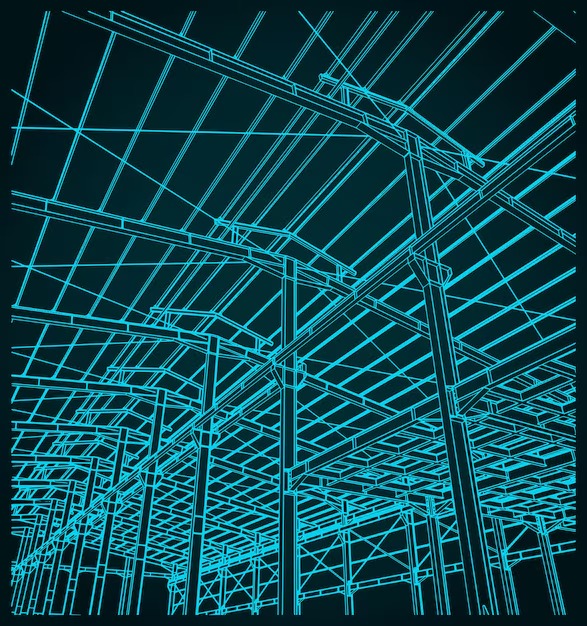
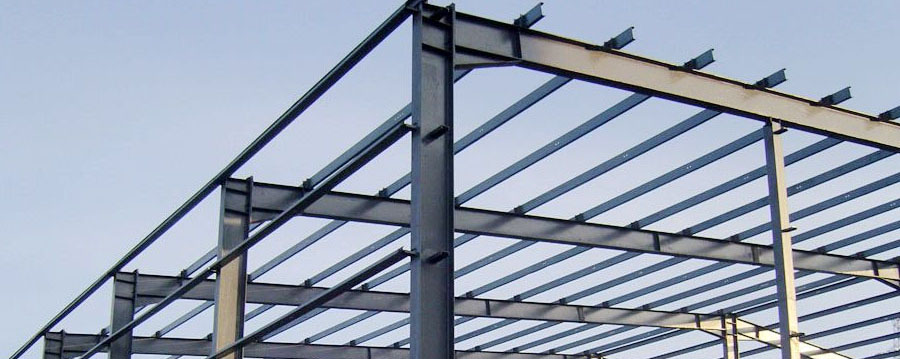
• Secondary Framing: Purlins, girts, and girder systems will support the roof and walls.
3. Insulation & Thermal Design
• Use advanced insulation materials (spray foam, rigid panels, insulated sandwich panels) to control interior temperature.
• Incorporate thermal breaks and vapor barriers to avoid condensation issues that often plague metal structures.
• Consider solar orientation, shading, and overhangs to reduce solar heat gain.
4. Aesthetic Finishing
• Metal exteriors don’t have to look industrial. You can combine steel panels with stone, brick, wood cladding, or stucco.
• Choose color coatings and finishes that resist fading and corrosion over time.
• Utilize large windows and glass walls to create open, airy interiors while allowing daylight.
5. Layout & Interior Planning
• With fewer load-bearing constraints, interior walls can be placed flexibly.
• Plan mechanical, plumbing, and electrical systems early to ensure they integrate well with the steel structure.
• Don’t forget overhangs, gutters, and water drainage planning to protect your structure.
6. Engineering & Codes
• Work with structural engineers familiar with steel systems to ensure compliance with local building codes - wind, seismic, snow, etc.
• Ensure the design accounts for connections, bolt sizing, and panel anchoring.
• Confirm that foundation design matches the steel frame loads.
7. Fabrication & Erection
• Once the design is finalized, the manufacturer produces the steel members, panels, and accessories with exact cuts and markings.
• On-site assembly is then faster; parts bolt together based on numbered plans.
• Final finishing and interior work happen once the shell is complete.
Design Tips & Best Practices
• Plan for Condensation: Even with insulation, condensation on metal surfaces can be an issue. Use vapor barriers and proper ventilation.
• Future Proofing: Design for possible expansions - for example, size columns and foundations for anticipated loads.
• Integrate Natural Ventilation: Roof vents, ridge vents, and operable windows help circulate air.
• Acoustic Considerations: Use acoustic insulation or double-layer drywall to reduce noise from rain or external sounds.
• Quality of Coatings: Use high-grade coatings (Galvalume, high-durability paint systems) to protect against corrosion and UV.
• Local Climate Adaptation: In hot climates, reflective roofs and “cool metal roofing” solutions can lower heat gain.
• Smart Material Choices: Blend materials - for example, a metal frame with brick veneer, timber accents, or glass curtain walls - to soften the appearance and match your taste.
Challenges & How to Overcome Them
While Pre-Engineered Metal Buildings bring many advantages, some challenges may arise in a residential context:
• Initial Perception: Some people perceive metal homes as “industrial.” Solution: use finishing materials, architectural accents, and creative designs to make them feel warm and residential.
• Condensation & Moisture: Without proper insulation and vapor control, metal surfaces can accumulate moisture. A well-designed thermal envelope can solve this.
• Customization Costs: Highly custom architectural features may raise costs, especially if they deviate from standard steel module sizes.
• Local Codes & Approval: Some municipalities may require additional documentation or special approvals for non-traditional structures. Be proactive.
• Thermal Bridging: Metal is a good conductor; bridging through structural elements may lead to heat loss or gain. Use isolation and thermal breaks in design.
Realizing the Vision with Rapidset Metal Buildings
If you are interested in making your dream metal home a reality, the team at Rapidset Metal Buildings can help. From customized architectural designs to full fabrication and delivery - they specialize in residential metal homes using pre-engineered steel systems. Their expertise ensures your home is not only striking in appearance but also long-lasting, energy-efficient, and built with precision.
Conclusion
Designing your dream metal home using Pre-Engineered Metal Buildings offers a blend of aesthetic freedom, structural robustness, and efficiency that’s hard to match. By combining careful planning, high-quality materials, and the right partners, you can create a home that’s beautiful, practical, and built to last.
If you’d like, I can help you generate images, diagrams, or even a custom outline for this blog for the Rapidset Metal Buildings website. Do you want me to prepare that?