Introduction
Soldering remains one of the most critical techniques in electronics, as it connects wires, connectors, and tiny components into functional systems. A hidden but indispensable element in this process is solder flux. While solder and a heated iron create the bond, flux ensures the joint is clean, stable, and dependable. Without it, even the best tools and materials would struggle to deliver consistent results.
Understanding Solder Flux
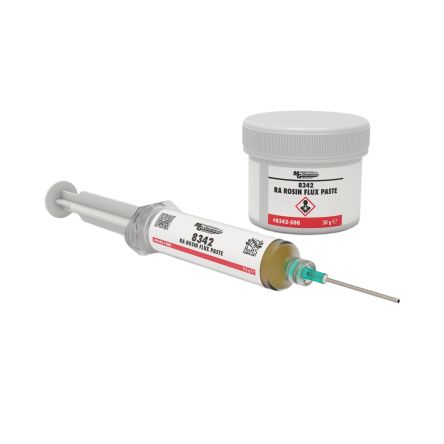
Solder flux is a chemical compound used to prepare metal surfaces for soldering. Its primary purpose is to clean contaminants such as oxides, grease, or dust that prevent solder from flowing smoothly. Once heated, the flux acts as a barrier, keeping oxygen away from the exposed metal and allowing the solder to adhere without interruption. This forms the foundation of modern electronics assembly.
The Role of Solder Flux in Electronics
The significance of solder flux is evident in its ability to enhance the quality of a joint. Clean connections result in higher conductivity, which directly impacts the performance of circuits. In devices such as laptops, microcontrollers, and controllers, even a small amount of oxidation can lead to unstable signals or complete system failure. Flux prevents these problems by ensuring that every bond remains strong and conductive.
Different Types of Solder Flux
There is no single formulation of solder flux. Instead, the industry uses different varieties designed for specific environments. Rosin flux is commonly found in electronics and has been trusted for decades. Water-soluble flux is valued for its aggressive cleaning power and is often used in high-reliability industries. No-clean flux offers convenience in large-scale manufacturing, where removing residues is not practical. In contrast, acid flux is better suited for plumbing and heavy-duty metal work rather than delicate electronics.
How Solder Flux Works During the Process
The action of solder flux begins before solder even touches the surface. As the metal heats, flux melts and spreads across the joint, dissolving any oxides or residues in its path. It then shields the exposed metal from oxygen, maintaining a clean surface until molten solder arrives. This sequence creates smooth solder flow, stronger wetting, and bonds that can withstand thermal and electrical stress.
Applications Across Industries
Solder flux is present in virtually every industry where electronics play a role. It is essential in assembling consumer electronics, such as smartphones, where miniature components require precise bonding. In automotive applications, it supports sensors and safety systems that operate in demanding conditions. In aerospace and medical equipment, flux ensures long-term reliability, where even the smallest joint failure could compromise safety.
Benefits of Using Flux in Soldering
The use of solder flux delivers clear advantages. It reduces the risk of cold solder joints, one of the most common causes of malfunctioning circuits. It supports heat distribution, ensuring solder spreads evenly across a joint. Flux also reduces the likelihood of contamination remaining in the assembly. In practical terms, this translates into fewer defects, longer product life, and greater safety.
Choosing the Right Solder Flux
Selecting a suitable solder flux requires consideration of both the application and the environment. Sensitive circuits may demand no-clean flux to avoid conductive residues. Industries with strict reliability standards often prefer water-soluble flux for its thorough cleaning properties. For general electronics, rosin-based flux remains a popular and reliable choice. Engineers also need to factor in compliance with environmental standards when choosing between formulations.
Challenges Without Flux
If flux is not used, soldering becomes unpredictable. Oxidation builds up quickly on heated surfaces, making solder difficult to control. This results in weak joints that crack under stress or lose conductivity. In high-performance electronics, such defects are unacceptable and often lead to costly failures. The absence of flux also increases rework and waste, making production less efficient.
Future Developments in Solder Flux
The future of solder flux lies in advanced formulations tailored to emerging technologies. With the rise of lead-free soldering, manufacturers are developing fluxes that maintain performance under higher temperatures. Environmentally safe options are also gaining importance, as they reduce the use of harmful substances without compromising quality or compromising quality. For microelectronics and nanotechnology, ultra-precise fluxes are being created to support increasingly complex assemblies.
Conclusion
Solder flux is more than just a supporting material in the soldering process. It is the chemical agent that makes clean, strong, and reliable bonds possible. From the smallest circuit in consumer electronics to the most demanding aerospace systems, flux underpins the performance and safety of modern technology. Understanding its role and selecting the right type is crucial for anyone seeking to achieve professional-quality soldering.




The global Solder Flux Market research report, published by Value Market Research, is designed to offer various market framework such as market size, portion, trends, growth path, value and factors that impact the current market dynamics over the forecast period 2021-2027.
Most importantly, this report also provides the latest significant strategies adopted by major players along with their market share.The research report also covers the comprehensive profiles of the key players in the market and an in-depth view of the competitive landscape worldwide.
The major players in the solder flux market include Henkel, Premier Industries, Indium Corporation, KOKI Company Ltd., FCT Solder, Senju Metal Industry Co., Ltd., Inventec Performance Chemicals, AIM Metals & Alloys LP, MacDermid Alpha Electronics Solutions, LA-CO Industries.
This section includes a holistic view of the competitive landscape that includes various strategic developments such as key mergers & acquisitions, future capacities, partnerships, financial overviews, collaborations, new product developments, new product launches, and other developments.Get more information on "Global Solder Flux Market Research Report" by requesting FREE Sample Copy athttps://www.valuemarketresearch.com/contact/solder-flux-market/download-sampleMarket DynamicsThe growing printed circuit board (PCB) manufacturing is driving the demand for the solder flux.
PCB manufacturing is continuously evolving due to growing demand for gadgets such as cell phones, tablets, laptops, and other electronic machines.
Likewise, remarkable growth in automotive areas is undoubtedly affecting the sales, consequently amplifying the growth worldwide.