

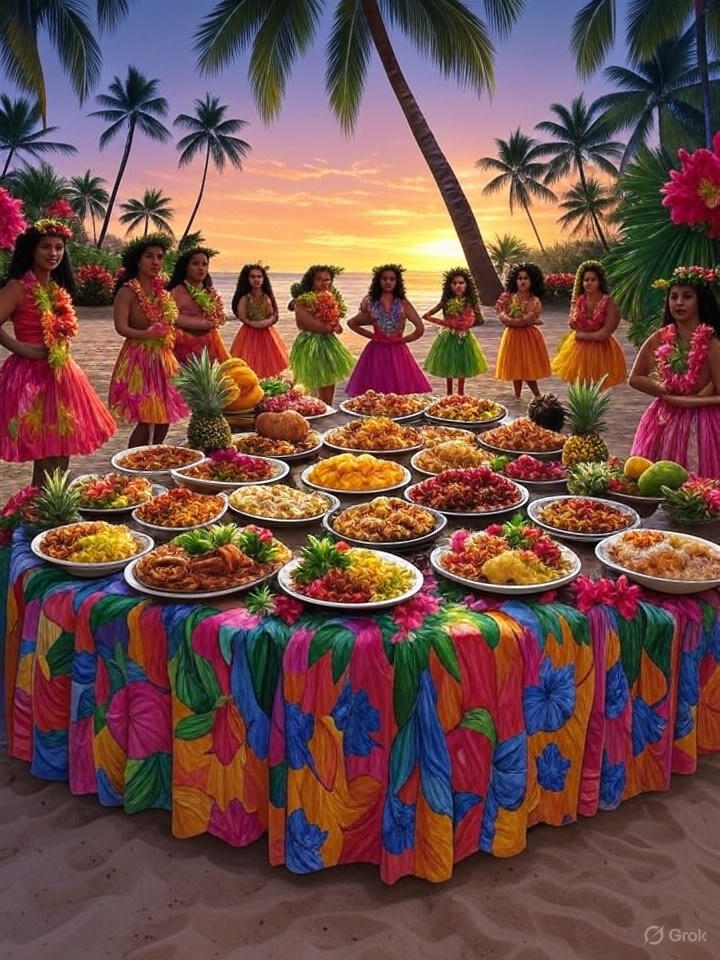
Luaus are vibrant Hawaiian celebrations blending food, music, and dance. They showcase fresh, local ingredients reflecting Hawaii's tropical climate. With mild seasons—wet (November-April) and dry (May-October)—many foods are available year-round, but peaks highlight seasonal flavors. This article explores how seasonal produce and ingredients enhance luau menus, creating authentic experiences. Attending a Luau Dinner and Show often features these dishes, tying tradition to entertainment.
Spring: Fresh Starts and Citrus Notes
Spring in Hawaii (March-May) brings warmer weather and the start of fruit peaks. Pineapples reach their sweetest from March to July, making them a luau staple. Sliced fresh or grilled, pineapple adds tang to salads or glazes for meats like huli huli chicken—rotisserie-style chicken marinated in soy sauce, ginger, and pineapple juice.
Asparagus and strawberries also peak in spring. Asparagus might appear in stir-fries or as grilled sides, while strawberries infuse desserts or fruit platters. Oranges and tangerines, available November-May, provide citrus zing in poke bowls. Poke, a raw fish salad typically with ahi tuna, soy sauce, sesame, and onions, incorporates seasonal fruits for variety.
Taro, year-round but thriving in wetter months, is central to poi—a mashed root vegetable paste. In spring luaus, poi pairs with kalua pig, slow-roasted pork wrapped in ti leaves and cooked in an imu (underground oven). These elements create balanced, refreshing menus as the islands bloom.
Summer: Tropical Abundance and Seafood Highlights
Summer (June-August) is peak dry season, bursting with tropical fruits. Mangoes, May-September, star in salsas, smoothies, or fresh slices. Their juicy sweetness complements savory dishes like laulau—pork or fish wrapped in taro leaves and steamed.
Avocados peak June-October, adding creaminess to guacamole-inspired dips or salads. Papayas, year-round but abundant, feature in fruit salads or as a base for marinades. Lychee, available May-June, offers a floral note in desserts or cocktails.
Seafood shines in summer with fresh catches. Hawaiian-style garlic butter shrimp, or "shrimp scampi," uses local prawns sautéed with garlic and lemon. Lomi-lomi salmon, a chilled salad of salted salmon, tomatoes, and onions, incorporates summer tomatoes at their ripest.
Coconuts, ever-present, yield haupia—a coconut milk pudding set with cornstarch. Summer luaus often include macadamia nuts, harvested year-round but celebrated in warm weather, in cookies or as toppings. These ingredients evoke Hawaii's bounty, perfect for outdoor feasts.
Fall: Harvest Roots and Exotic Fruits
Fall (September-November) transitions to wetter weather, emphasizing heartier roots and exotic fruits. Dragon fruit peaks July-November, its mild sweetness enhancing fruit platters or smoothies. Rambutan, July-September, adds spiky, lychee-like flair to desserts.
Squash varieties thrive: summer squash through October, winter squash starting in fall. They might roast as sides or mix into stews. Sweet potatoes and taro remain staples, featured in imu-baked dishes or chips.
Guavas, year-round but prolific in fall, make jellies or sauces for meats. Passion fruit (lilikoi), abundant, drizzles over cheesecakes or mixes into vinaigrettes for salads.
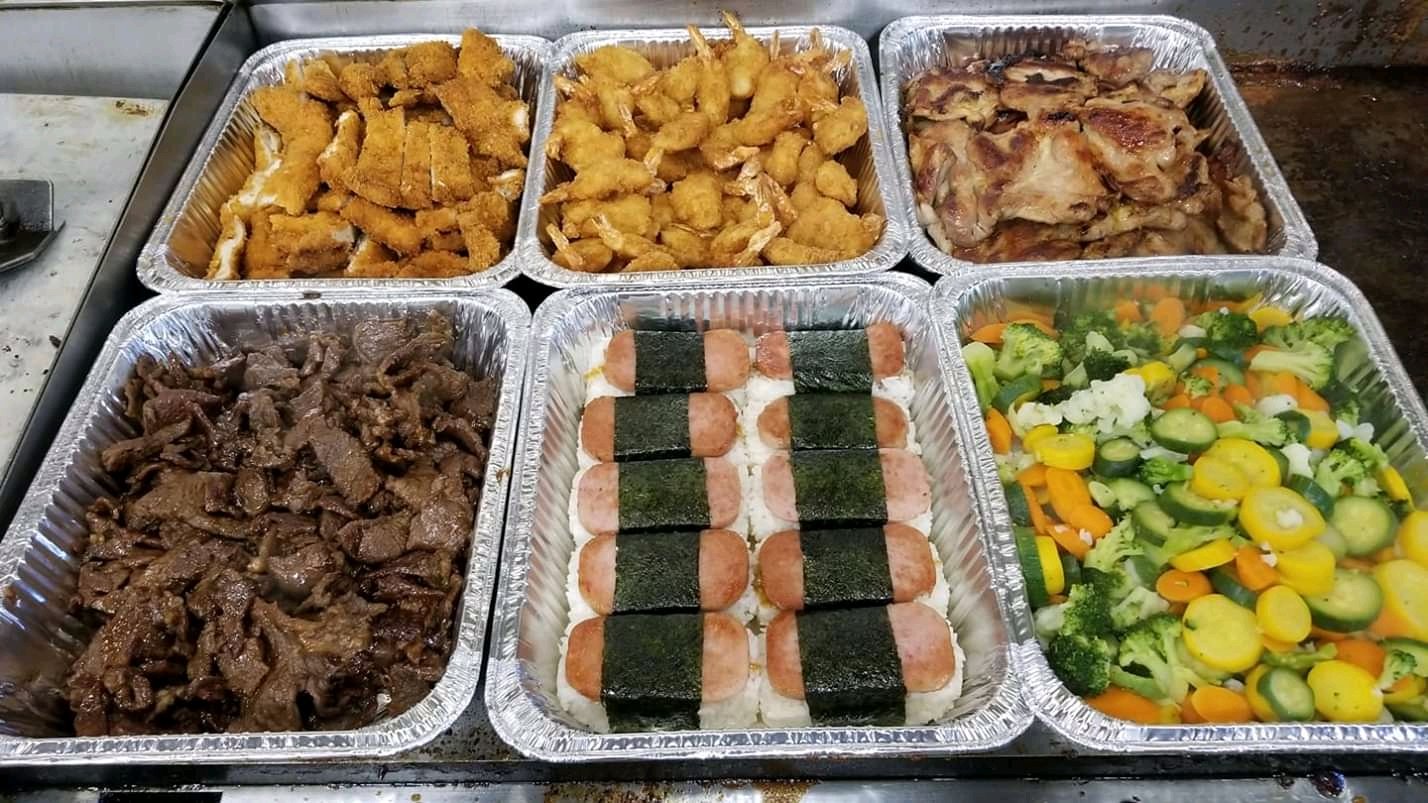
Pork and chicken dominate, with kalua pig adapting to fall's cooler vibes. Spam musubi—grilled Spam on rice wrapped in nori—incorporates canned meat with fresh herbs. Fall luaus highlight preservation techniques, blending fresh picks with stored goods for flavorful continuity.
Winter: Comforting Staples and Citrus Peaks
Winter (December-February) is the wet season, focusing on comforting, earthy foods. Broccoli, Brussels sprouts, and cauliflower peak October-May, adding greens to stir-fries or roasted platters. Beets, October-April, bring earthiness to salads.
Citrus like oranges and tangerines peak, brightening dishes. Strawberries, December-May, feature in shortcakes or fresh with haupia. Peas, December-May, might sneak into noodle dishes like saimin—a soup with wheat noodles, kamaboko (fish cake), and greens.
Core luau elements persist: poi from taro, lomi-lomi salmon with winter tomatoes, and kalua pig for warmth. Breadfruit, available year-round but hearty in winter, bakes or fries as a potato alternative.
Coconuts provide richness in curries or desserts. Winter menus emphasize stews and roasts, using the imu for depth. These adaptations keep luaus inviting despite rain, celebrating resilience through food.
Incorporating Seasons into Modern Luau Menus
Modern luaus blend tradition with innovation, using seasonal ingredients for sustainability. Farms supply fresh produce, reducing imports. For example, poke evolves with mango in summer or citrus in winter.
Vegetarian options highlight veggies like eggplant or mushrooms, year-round but peaked seasonally. Drinks like mai tais incorporate pineapple or passion fruit based on availability.
Attending a Luau Dinner and Show reveals how these foods tie to cultural stories—hula dances often reference taro or fruits. By focusing on seasons, luaus honor Hawaii's ecosystem, offering guests authentic, flavorful experiences.
In summary, luau menus thrive on Hawaii's diverse produce. From spring's citrus to winter's roots, each season adds unique touches to timeless dishes. Whether hosting or attending, embracing seasonality ensures vibrant, memorable feasts.