

In today’s fast-moving digital landscape, businesses are under increasing pressure to stay agile, efficient, and competitive. Managing sales, inventory, accounting, HR, and customer relationships using disconnected tools often leads to chaos, delays, and unnecessary costs. That’s where Odoo ERP software development company comes into play — offering businesses a unified, customizable, and powerful platform to manage everything from a single dashboard.
Whether you’re a business owner, IT professional, or simply curious about how modern ERP systems work, this beginner’s guide will walk you through the essentials of Odoo ERP, its core modules, development process, benefits, and why it’s becoming the go-to solution for organizations of all sizes.
What Is Odoo ERP?
Before diving into the development side, let’s start with the basics.
Odoo is an open-source Enterprise Resource Planning (ERP) platform that helps businesses manage various functions through integrated applications. Originally launched as TinyERP in 2005 and later rebranded to OpenERP, Odoo has grown into a globally trusted platform, with thousands of modules and a vibrant community of developers.
What sets Odoo apart from many traditional ERP systems is its modular architecture. Instead of a one-size-fits-all solution, Odoo allows you to pick and choose exactly what your business needs — whether that’s CRM, inventory, accounting, marketing automation, or even eCommerce.
And because it’s open-source, companies can customize and extend the platform to match their unique workflows, without the heavy licensing fees associated with legacy systems.
Understanding Odoo ERP Software Development
When people talk about Odoo ERP software development, they’re referring to the process of building, customizing, and implementing Odoo to meet specific business requirements.
Every business operates differently. A manufacturing company has different workflows than a retail store or a school. Odoo development involves:
- Creating custom modules to add new functionality
- Modifying existing modules to fit business logic
- Integrating third-party tools like payment gateways, CRMs, or analytics platforms
- Optimizing the UI/UX for smoother adoption across teams
In short, Odoo ERP software development transforms the platform from a standard framework into a tailor-made solution that aligns perfectly with your business goals.
Core Components & Modules of Odoo ERP
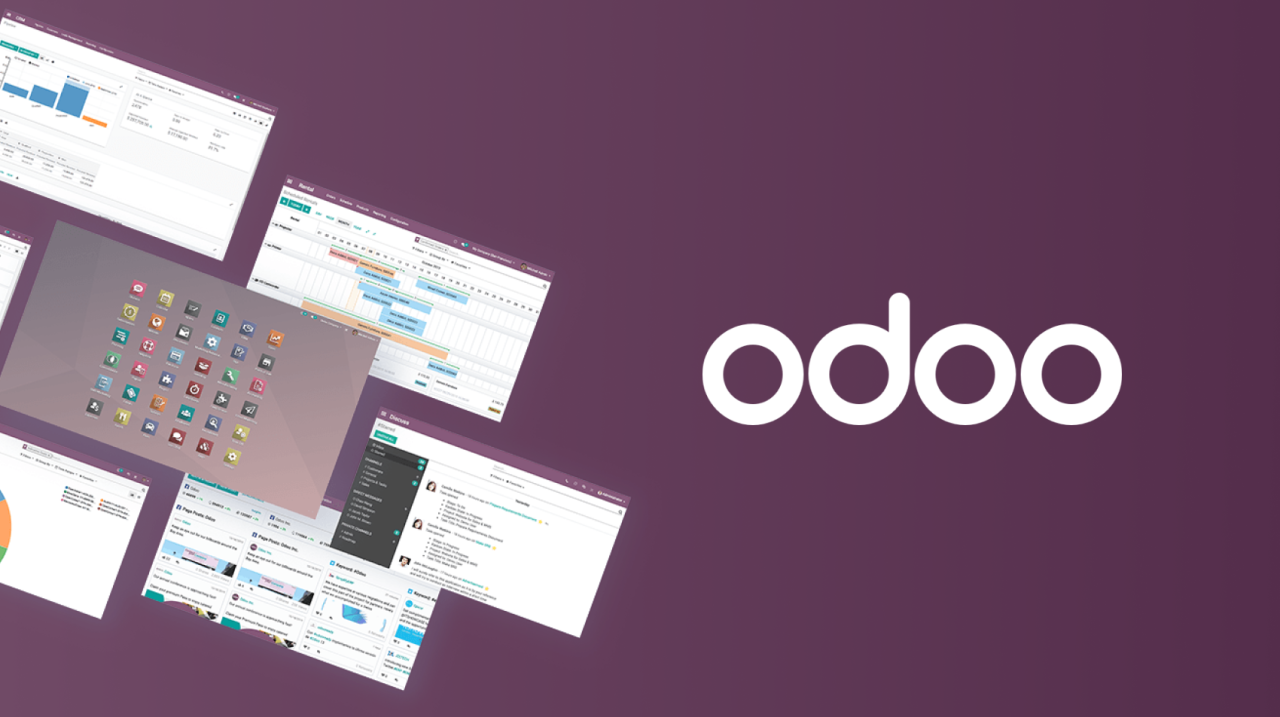
One of Odoo’s biggest strengths is its comprehensive suite of applications, each designed to handle a different area of business. Here’s a quick overview of some of the most widely used modules:
- Accounting & Finance: Manage invoices, track expenses, automate journal entries, and get real-time financial insights.
- Sales & CRM: Handle leads, opportunities, quotations, and customer communications from a single system.
- Inventory & Warehouse: Gain visibility into stock levels, optimize order fulfillment, and reduce wastage.
- Manufacturing: Manage bills of materials, production orders, work centers, and quality control seamlessly.
- Human Resources: Streamline recruitment, payroll, attendance, and performance tracking.
- Website & eCommerce: Build dynamic websites and run online stores integrated with your backend operations.
And the best part? These modules are interconnected, so when a sale happens, it automatically updates your inventory, accounting, and CRM no manual intervention needed.
The Odoo ERP Development Process: Step by Step
Implementing Odoo isn’t just about installing software; it’s a structured journey. Here’s what the typical development process looks like:
1. Business Analysis
Developers start by understanding your business model, challenges, and goals. This phase lays the foundation for the entire project.
2. Module Selection or Creation
Based on the analysis, developers either select existing modules or create new ones to match your workflows.
3. Customization & Coding
This is where the magic happens — tweaking functionalities, adding features, and ensuring everything works smoothly for your unique processes.
4. Integration
Connecting Odoo with external tools like CRMs, payment systems, shipping APIs, or BI dashboards for a unified ecosystem.
5. Testing & Quality Assurance
Before going live, rigorous testing ensures that every module functions correctly and integrates without errors.
6. Deployment & Go-Live
Once tested, the system is rolled out across the organization, with minimal disruption to ongoing operations.
7. Training & Support
User training is critical for adoption. Post-implementation support ensures issues are resolved quickly and new features are introduced as needed.
Benefits of Odoo ERP Software Development
Why are so many businesses — from startups to enterprises — choosing Odoo? Here are some compelling advantages:
- Flexibility & Scalability : Odoo grows with your business. Start with a few modules and add more as your needs expand.
- Cost-Effectiveness : Being open-source, Odoo eliminates hefty licensing fees. You only invest in customization and implementation.
- Centralized Operations : All your business functions run from a single platform, reducing duplication and manual errors.
- Seamless Integrations : Whether it’s eCommerce, CRM, or third-party APIs, Odoo connects effortlessly with other tools.
- User-Friendly Experience : Unlike many legacy ERP systems, Odoo’s modern interface is clean, intuitive, and easy to navigate — encouraging user adoption.
- Global Community & Support : Thousands of developers and contributors worldwide constantly improve Odoo, making it a secure and future-ready platform.
Real-World Use Cases Across Industries
The versatility of Odoo ERP development is truly impressive. Here are a few examples of how different sectors use it:
- Retail & eCommerce: Real-time inventory management, POS integration, and omnichannel sales tracking.
- Manufacturing: Production planning, BOM management, quality checks, and cost optimization.
- Healthcare: Patient records, appointment scheduling, billing, and compliance management.
- Education: Student enrollment, course scheduling, fee collection, and reporting.
- Finance & Services: Automated accounting workflows, project tracking, and customer portals.
No matter the industry, Odoo can be tailored to fit — making it a popular choice for SMEs and large organizations alike.
Why Work with a Professional Odoo Development Company?
While Odoo is open-source and flexible, implementing it successfully requires specialized knowledge. A professional Odoo development company brings:
- Technical Expertise: In-depth knowledge of the platform’s backend and frontend.
- Strategic Guidance: Helping you choose the right modules and customization paths.
- Faster Implementation: Streamlined processes and experienced teams reduce rollout time.
- Ongoing Support: Bug fixes, upgrades, and scaling assistance after launch.
Trying to DIY such a robust ERP system can lead to costly delays and operational disruptions. Partnering with experienced developers ensures a smoother and more successful journey.
Final Thoughts
Odoo ERP is more than just another software platform — it’s a powerful, modular ecosystem that empowers businesses to operate smarter, faster, and more efficiently. Through strategic Odoo ERP software development, companies can customize the platform to their exact needs, integrate it seamlessly with existing tools, and unlock new levels of productivity.
If you’re exploring ERP options for your business, Odoo is an excellent place to start. Whether you’re running a startup or managing a global enterprise, investing in the right development approach can give you the competitive edge you need in a digital-first world.