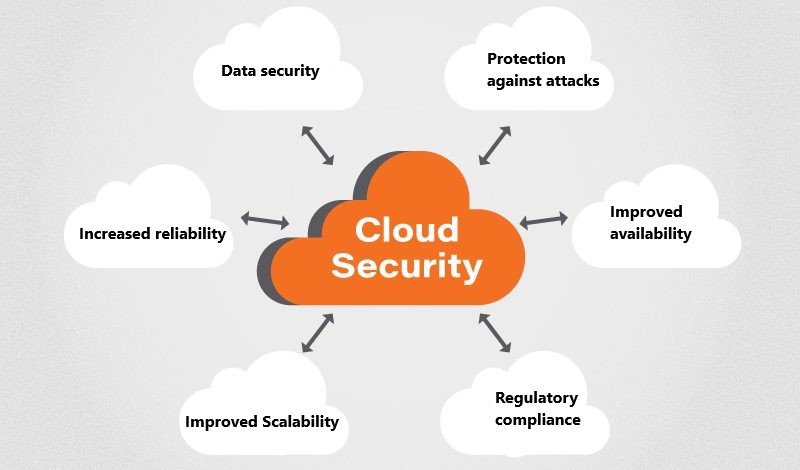



Managing sensitive information like API keys, passwords, and database credentials in cloud applications is critical to keeping your systems secure. Poor secrets management can lead to breaches, exposing data or allowing unauthorized access. Using credential vaults and following proven practices ensures your secrets stay safe while supporting seamless app performance. Here’s a clear guide to the best approaches for secrets management in cloud environments.
1. Centralize Secrets in a Dedicated Vault
Storing secrets like API tokens or encryption keys in code or configuration files is a recipe for trouble leaks happen too easily. Instead, use a dedicated secrets management vault like AWS Secrets Manager, HashiCorp Vault, or Azure Key Vault to centralize and secure them. These tools encrypt secrets at rest, control access, and provide audit logs to track usage.
Set up your vault early in development. For example, store database credentials in AWS Secrets Manager and retrieve them dynamically in your app using IAM roles. Enable automatic rotation for credentials to reduce the risk of stale or compromised keys. Centralizing secrets minimizes exposure and simplifies management, especially as your app scales across cloud services.
Check This: Best Ethical Hacking Course
2. Enforce Least Privilege and Strong Access Controls
Granting broad access to secrets is a common mistake that attackers exploit. Follow the principle of least privilege by assigning specific permissions to users, applications, and services. For instance, a microservice querying a database should only access the credentials it needs, not an entire vault. Use role-based access control (RBAC) in your vault to define who or what can retrieve secrets.
Implement multi-factor authentication (MFA) for human users accessing the vault and use temporary tokens for automated systems. Regularly audit access policies with tools like AWS IAM Access Analyzer to spot overly permissive roles. Strong controls ensure that even if one component is compromised, the damage is contained, protecting your cloud app’s integrity.
3. Automate and Monitor Secrets Usage
Manual secrets management doesn’t scale and invites errors. Automate key tasks like credential rotation and integration into your CI/CD pipeline. For example, use HashiCorp Vault’s dynamic secrets to generate short-lived database credentials for each session, reducing the risk of leaks. Integrate your vault with deployment tools like Terraform to provision secrets securely during app updates.
Monitor secrets usage to catch suspicious activity. Set up alerts in your vault for unusual access patterns, like a sudden spike in API key requests. Use logging features to track who accessed what and when, ensuring compliance with regulations like GDPR. Regularly test your setup with simulated breaches to verify that secrets remain secure under pressure.
Check This: Best Cloud Security Service Provider Worldwide
Final Thoughts
Effective secrets management is a cornerstone of secure cloud applications. By centralizing secrets in a dedicated vault, enforcing tight access controls, and automating processes with vigilant monitoring, you reduce risks and build a resilient system. Start by choosing a vault that fits your cloud provider, integrate it early, and keep auditing as your app grows. With these practices, you’ll protect sensitive data while keeping your app running smoothly, giving you and your users peace of mind.