


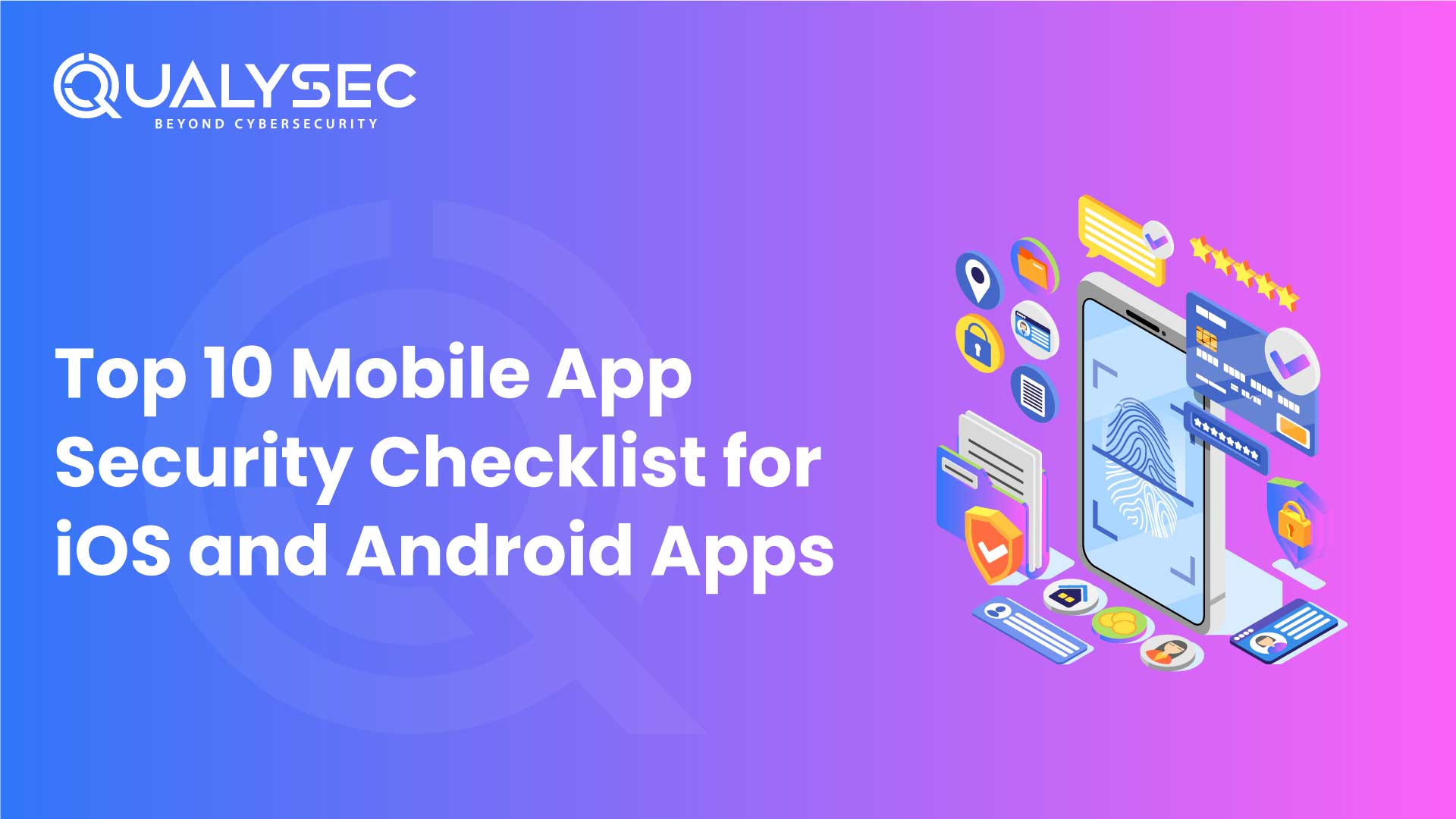
Why Mobile App Security Cannot Be Ignored?
Mobile app security guarantees the safety of applications against threats or breaches on any mobile device, including (but not limited to) phones, tablets, and smartwatches. It calls for a thorough examination of the design of mobile apps to pinpoint areas where vulnerabilities could develop, then aggressively safeguarding those areas.
Preventing unlawful use of personal information and protecting against financial losses or identity theft depend on app security. The Android app security checklist helps you assess your current position and ensure that every base is covered.
Mobile apps have three main threat vectors:
• Hackers inject malware into mobile devices through browser-based threats, often targeting outdated browsers or insecure browsing behavior.
• SMS-based threats persuade people to click on harmful links, thereby downloading malware.
• Hackers exploit vulnerabilities to get access to data without permission or to break authentication systems in application logic-based threats.
10 Mobile App Security Checklist for App Optimization
Keeping your mobile app’s security precautions upgraded and improved is the first step on your mobile app security checklist.
1. Building the App Foundation: Secure the source code
Your company’s confidential data, APIs, encryption keys, OAuth tokens, passwords, and even PII (Personal Identifiable Information) – is found in the source code. Should this be vulnerable, bad actors may clone, copy, and spread the data. To safeguard your source code, steps to add to your mobile app pentesting checklist include:
• Producing a source code policy specifying the guidelines, needs, and procedures for code handling and protection
• Identifying security vulnerabilities by static application security testing (SAST).
• Policies for access control via authentication and authorization
• Encryption and surveillance of sensitive information both in transit and at rest
• Implementing solutions for endpoint security based on data loss prevention (DLP).
2. Strengthen the Authentication with Multiple Layers
Rather than a single piece of evidence for their identification, MFA uses a second level of authentication, including a combination of fingerprints, facial recognition, or one-time passwords.
3. Encrypt Every Communication Channel
Apps can be defended against hackers by means of robust encryption for mobile communication channels in the shape of session-based key exchanges or 4096-bit Secure Sockets Layer (SSL) keys. Who would otherwise seek to access communications over public cell or WiFi networks.

If you are a startup or small business entity who is looking for some unique ideas to start with, then we have created a blog that gives you 9 AI App ideas that can make you successful in the market.
This blog is for those who are looking for innovative ideas to establish their business through a mobile app.
And visit tech.esearchlogix.com for more knowledgeable blogs about mobile apps.

If you want to truly build your native apps quickly With NativeScript framework, then have a look various changes and updates of nativescript 4.0, that will be help for both Android and iOS developers.