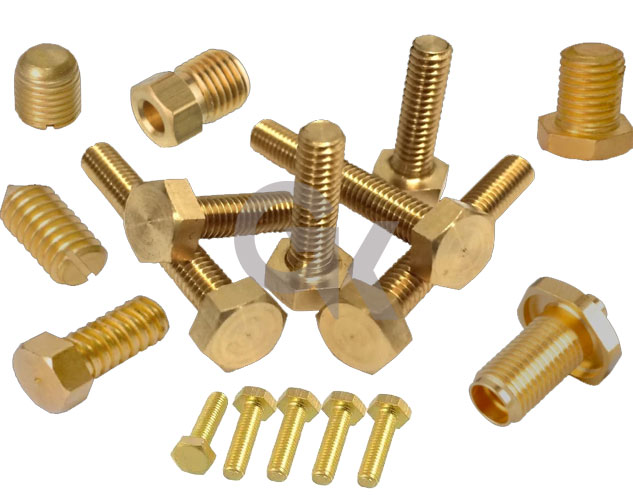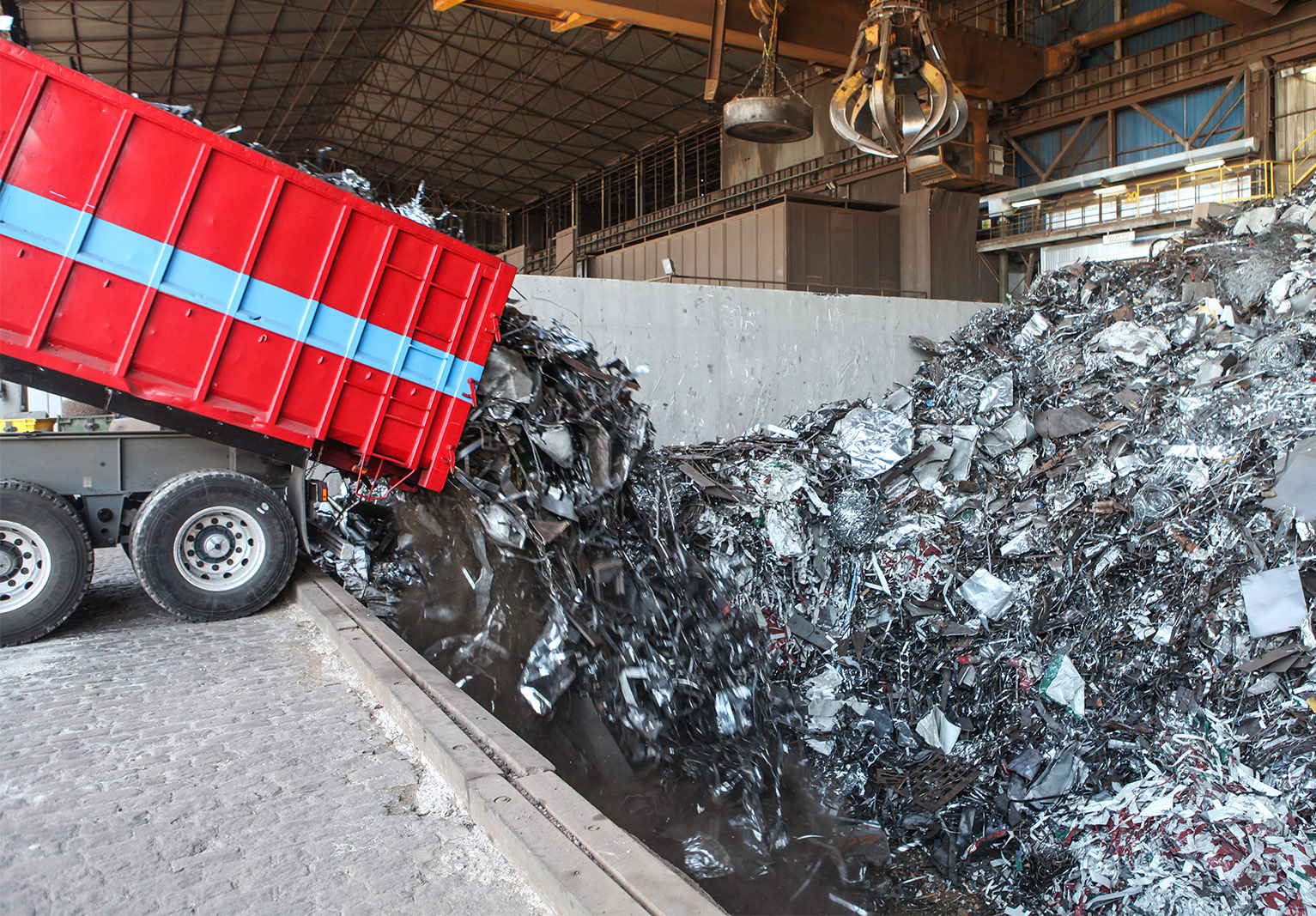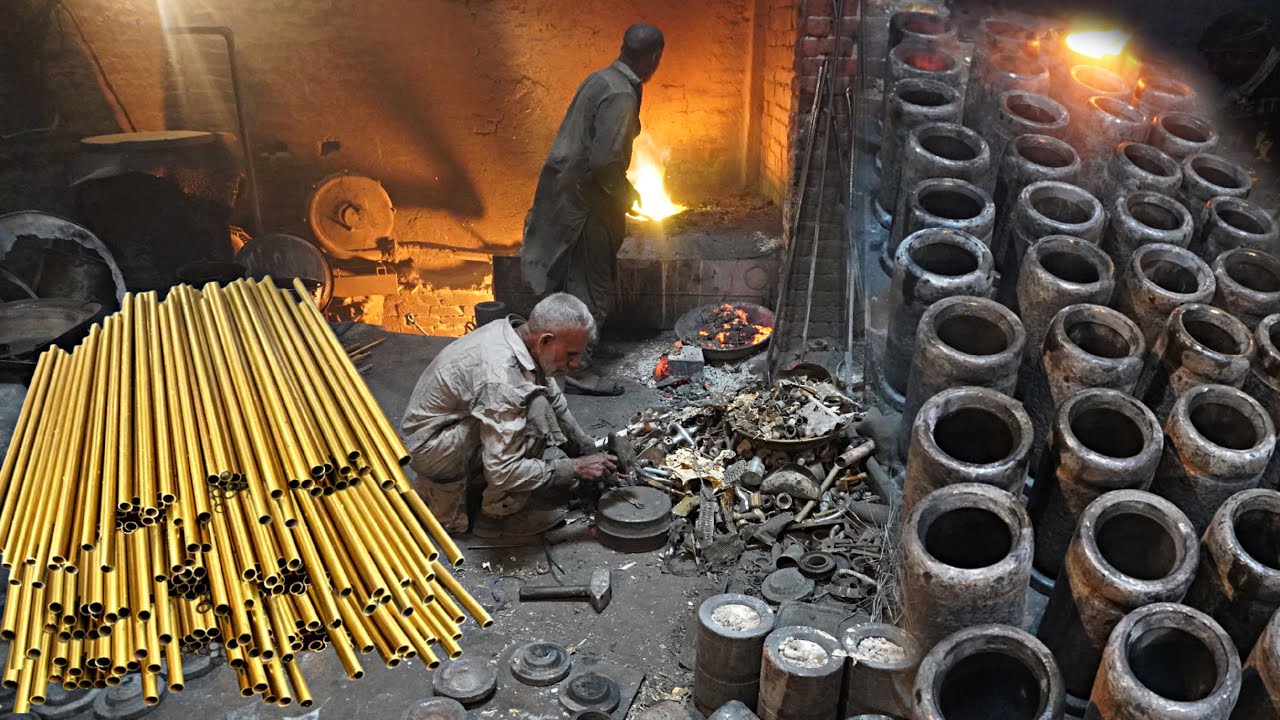
Brass is one of those metals that quietly powers our everyday lives. From taps and door handles to electrical fittings and decorative items, brass is everywhere. But what’s truly fascinating is how much of this brass comes from scrap. Yes, you read that right—India’s brass industry thrives on recycling and reuse. So let’s take a closer look at how brass manufacturers in India are turning scrap into shine.
Understanding Brass and Its Composition
Brass is an alloy made mainly of copper and zinc. Depending on the ratio, you get different types of brass, like:
- Free-cutting brass (easy to machine, used in fittings)
- High-tensile brass (stronger, used in industrial parts)
- Naval brass (resistant to corrosion, used in marine applications)
In India, brass is used in plumbing, electrical components, musical instruments, handicrafts, and even temple bells. It’s a versatile metal with both functional and aesthetic value.
Current Landscape of Brass Recycling in India
India is one of the largest brass recycling hubs in the world. The city of Jamnagar in Gujarat is famously known as the “Brass City of India,” contributing to over 70% of the country’s brass parts production. Thousands of MSMEs and small-scale units operate here, recycling scrap into high-quality brass components.
According to industry estimates, India processes over 1.5 lakh tonnes of brass scrap annually, with a significant portion coming from imports. The informal sector also plays a big role, especially in cities like Moradabad, Delhi, and Mumbai, where artisans and small workshops reuse brass in creative ways.
Sources of Brass Scrap in India
Brass scrap comes from various sources:
- Industrial scrap: Leftover pieces from machining, casting, and manufacturing.
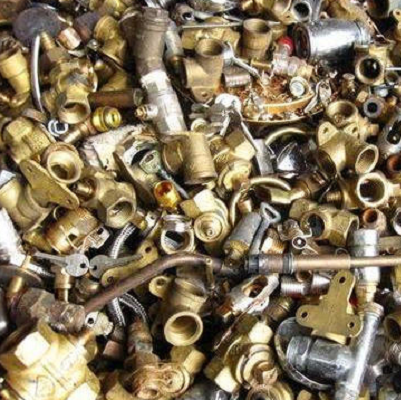
- Post-consumer scrap: Old taps, locks, utensils, and electrical parts.
- Imported scrap: India imports brass scrap from countries like the UAE, UK, and the USA.
- E-waste: Circuit boards and connectors often contain brass, which is recovered during recycling.
With the rise in urbanisation and consumption, the availability of brass scrap is increasing, making recycling a viable and profitable option.
Recycling Process of Brass
The journey from scrap to shine involves several steps:
- Collection & Segregation: Scrap is collected from industries, households, and dealers. It’s then sorted based on quality and type.
- Melting & Refining: The scrap is melted in furnaces, impurities are removed, and the alloy composition is adjusted.
- Casting & Extrusion: The molten brass is cast into billets or rods, which are then shaped into final products.
- Quality Control: Manufacturers test the final product for strength, composition, and finish to meet industry standards.
Modern brass manufacturers in India are adopting cleaner and more efficient technologies to improve yield and reduce waste.
Benefits of Brass Recycling
Environmental Benefits
Recycling brass reduces the need for mining copper and zinc, which are non-renewable resources. It also cuts down on greenhouse gas emissions. In fact, recycling brass saves up to 80% of the energy compared to producing it from virgin ore.
Economic Benefits
Brass recycling is a major source of income for thousands of families. It supports MSMEs, artisans, and scrap dealers. Plus, recycled brass is cheaper to produce, which helps manufacturers stay competitive.
Energy Efficiency
Producing brass from scrap consumes significantly less energy. For example, melting scrap brass requires around 1,500 kWh per tonne, while producing virgin brass can go up to 3,000 kWh per tonne.
Challenges in Brass Recycling
Lack of Organised Collection Systems
Informal workers do most of the scrap collection. There’s no centralised system, which leads to inconsistent supply and quality issues.
Quality and Purity Issues
Scrap often contains other metals like iron or aluminium, which can affect the final product. Maintaining alloy standards becomes tricky without proper sorting.
Technological Gaps
Many small units still use outdated furnaces and manual processes. Advanced refining and sorting technologies are expensive and not easily accessible to MSMEs.
Regulatory and Compliance Barriers
Import duties on brass scrap and GST complications can discourage manufacturers. There’s also a lack of standardisation in scrap grading, which affects pricing and quality.
Opportunities for Growth
Rise in Sustainable Manufacturing
With growing awareness about sustainability, there’s a rising demand for eco-friendly brass products. Recycled brass is being used in everything from luxury décor to green buildings.
Government Initiatives
Schemes like Make in India, Atmanirbhar Bharat, and MSME support programs are encouraging local manufacturing. The E-waste Management Rules also promote metal recovery from discarded electronics.
Export Potential
India exports brass components to over 100 countries, including the USA, Germany, and UAE. Recycled brass products are gaining popularity due to their lower cost and environmental appeal.
Technology Adoption
Some brass manufacturers in India are investing in induction furnaces, automated casting systems, and AI-based scrap sorting. These innovations can improve efficiency and reduce pollution.
Role of Jamnagar in India’s Brass Recycling Ecosystem
Jamnagar is the heart of India’s brass industry. With over 5,000 brass units, it produces everything from electrical fittings to precision components. The city recycles thousands of tonnes of brass scrap every year, supporting a massive ecosystem of workers, traders, and exporters.
Jamnagar’s success lies in its ability to combine traditional craftsmanship with modern manufacturing. Many units here have started using CNC machines, robotic arms, and ERP systems to streamline production.
Sustainability Trends in the Brass Industry
The brass industry is slowly moving towards zero-waste manufacturing. Some manufacturers are branding their products as “green brass” and getting ISO 14001 certification for environmental management.
Recycled brass is also being used in high-end products like designer lamps, jewellery, and architectural hardware. This not only adds value but also promotes sustainable consumption.
Strategic Recommendations for Stakeholders
If you’re part of the brass industry, here are a few things to consider:
- Formalise Scrap Collection: Partner with organised scrap dealers and set up collection centres.
- Invest in Technology: Upgrade to energy-efficient furnaces and automated systems.
- Train Your Workforce: Skill development in recycling techniques can improve productivity.
- Collaborate with NGOs & Agencies: Work with environmental groups to promote responsible recycling.
- Focus on Branding: Highlight the sustainability aspect of your products to attract eco-conscious buyers.
Conclusion
India’s brass industry is a shining example of how recycling can drive growth, sustainability, and innovation. Brass manufacturers in India have a golden opportunity to lead the way in eco-friendly production. With the right mix of technology, policy support, and market awareness, the journey from scrap to shine can truly transform the industry.
So whether you’re a manufacturer, trader, or consumer—remember, every recycled piece of brass is a step towards a greener future.
Get the best price for your Brass Scrap!
We are one of the best Brass recycling companies in Sydney, helping you to recycle your Brass Scrap without any hassle.https://copperscrappricesydney.com.au/brass-recycling/