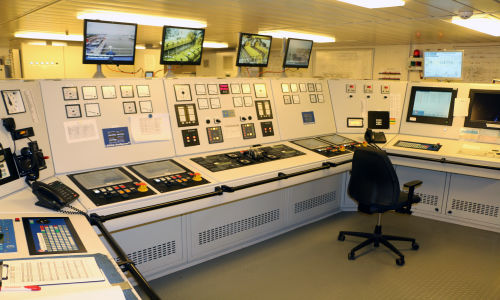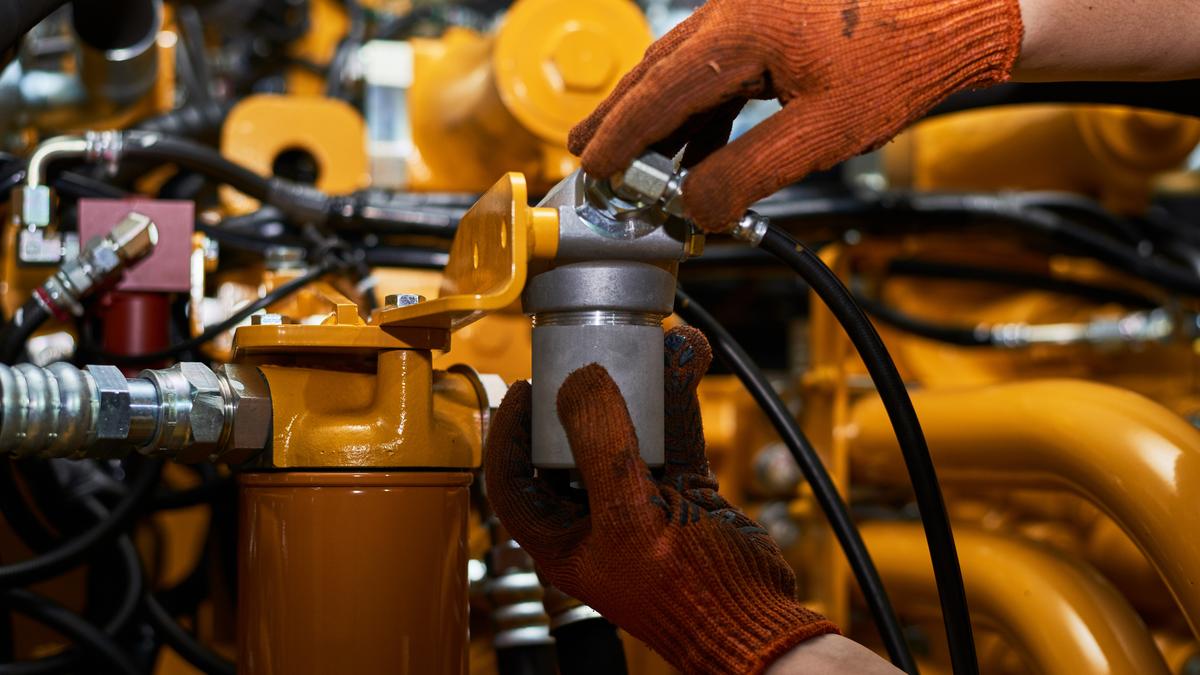
Marine hydraulic systems play a major role in almost every operation onboard a vessel—whether it’s steering, cargo handling, mooring, lifting, deck machinery, or offshore support work. But because hydraulic systems run under high pressure and operate in harsh marine environments, they also face frequent failures if not maintained properly.
According to global marine reports, over 70% of hydraulic breakdowns happen due to poor maintenance and oil contamination. And in India, where vessels often operate in high-humidity coastal zones, the failure rate is even higher if proper checks are not followed.
The good news? With a proper preventive maintenance checklist, ship engineers can reduce hydraulic failures by up to 60%, extend component life by 2–3 years, and save lakhs in repair and dry-docking costs.
Let’s break this down in simple, practical terms, just like we’re discussing onboard.
Why Preventive Maintenance Is Critical
Marine hydraulics are like the muscles of the vessel — powerful but sensitive. One minor leak, one overlooked noise, or one contaminated oil batch can stop vital machinery.
Some recent Indian marine stats highlight the importance:
- 70% of failures are due to contaminated oil
- 35–40% of deck machinery failures come from worn-out hoses and seals
- 20–25% downtime can be avoided by regular pressure checks
- Oil flushing improves performance by 30%
This is exactly why working with an experienced marine hydraulics supplier in India can help with proper AMC schedules, oil analysis, and fast part replacement.
Understanding Marine Hydraulic Components
Before doing maintenance, it helps to know what you’re maintaining.
✅ Power Packs (HPUs)
The heart of the system controls pressure and flow.
✅ Hydraulic Pumps
Vane, piston, and gear pumps that generate hydraulic force.
✅ Cylinders
Used in cranes, hatch covers, steering, mooring, etc.
✅ Control Valves
Direct fluid flow—proportional, directional, solenoid and cartridge valves.
✅ Hoses & Fittings
Carry high-pressure fluid across the vessel.
✅ Oil Filtration Systems
Maintain ISO cleanliness levels.
✅ Sensors (Pressure, Temperature, Level)
Give early warnings to engineers.
A trusted marine hydraulics supplier in India usually stocks all of these for quick onboard service.
Common Causes of Hydraulic Failures
Knowing the root cause helps prevent breakdowns.
✅ Oil Contamination – the biggest villain
Nearly 70% of failures occur due to:
- Water entering oil
- Dirt, rust particles
- Sludge formation
✅ Overheating
High temperature reduces oil life by 50%.
✅ Air Entrapment & Cavitation
Causes pump damage and noisy operation.
✅ Seal & Hose Failures
Saltwater corrosion + vibration = leaks.
✅ Incorrect Pressure Settings
Can overload pumps and actuators.
✅ Corrosion
Marine weather accelerates metal surface damage.
Understanding these helps engineers act before failure.
Preventive Maintenance Checklist (Daily to Annual)
Here is a complete marine engineer–friendly checklist:
✅ Daily Checklist
Do these checks during routine rounds.
- Check for external leaks around pumps, cylinders, and hoses
- Monitor the oil level in the reservoir
- Check pressure gauge readings
- Ensure temperature is within normal operating range
- Listen for unusual pump noise or vibration
- Inspect HPU for burnt smell or hot spots
Even 5–10 minutes daily can save lakhs in breakdown repair.
✅ Weekly Checklist
More in-depth checks.
- Clean/inspect filter clog indicators
- Wipe cylinder rods to prevent rust
- Check hose abrasion, cracks, and swell marks
- Inspect the pump suction strainer
- Test emergency/manual operations
- Check temperature and pressure alarms
Many vessels face steering or winch issues because weekly checks are skipped.
✅ Monthly Checklist
A thorough inspection routine.
- Tighten fittings and joints
- Check valve block for corrosion
- Inspect the accumulator pressure
- Test solenoid & proportional valves
- Check pump/motor alignment
- Inspect hydraulic motors for heat & vibrations
- Grease moving points and linkages
Working with a reliable marine hydraulics supplier in India helps identify worn-out parts during these monthly checks.
✅ Quarterly Checklist
For smooth long-term performance.
- Replace/clean return filters
- Oil contamination test (moisture, particles, viscosity)
- Inspect cylinder seals and rod wear
- Full-stroke test of actuators
- Sensor calibration (pressure/temperature/level)
- Test cooling systems (air/oil cooler efficiency)
Oil analysis every quarter can detect issues 20–30 days before failure.
✅ Annual Checklist
Complete system health assessment.
- Full hydraulic oil replacement (if needed)
- Offline flushing to meet ISO 4406 cleanliness
- Overhaul hydraulic pumps and motors
- Replace worn seals, hoses, and o-rings
- Relief valve setting calibration
- Internal cleaning of manifolds
- Class survey documentation (IRS, DNV, BV)
A good marine hydraulics supplier in India can help perform flushing, calibration and annual AMC tasks professionally.
Oil Management & Filtration Best Practices
Oil is the lifeblood of the hydraulic system. Keeping it clean is half the battle.
✅ ISO 4406 Cleanliness Standard
Most marine systems require 18/16/13 or better.
✅ Use Good Quality Oil
HEES/HEPR biodegradable oils are gaining popularity.
✅ Offline Kidney Loop Filtration
Removes dirt and water continuously.
✅ Water-Absorbing Filters
Especially important for the Indian coastal humidity.
✅ Frequent Oil Sampling
Every 3–6 months, depending on vessel type.
Clean oil = long pump life + fewer breakdowns.
Hose, Pipe & Fitting Maintenance
✅ Replace hoses every 3–5 years (or earlier if damaged)
✅ Burst pressure test during dry-dock
✅ Check for corrosion due to saltwater
✅ Maintain proper bend radius
✅ Avoid metal-to-metal contact during routing
A single hose burst at 200 bar can cause severe injuries — preventive checks are crucial.
Pump & Motor Maintenance
Hydraulic pumps are expensive. Maintaining them saves major costs.
✅ Identify cavitation early
Signs: noise, foam in oil, vibrations
✅ Measure pump flow & pressure
✅ Check compensator & regulator settings
✅ Monitor motor load and overheating
✅ Periodic alignment checks
Proper pump maintenance alone reduces failures by 25–30%.
Cylinder & Actuator Checks
✅ Inspect rod straightness
✅ Check seal condition (oil film is okay; leakage is not)
✅ Inspect rod coatings for corrosion
✅ Check bearings & trunnions
✅ Do a full-stroke test
Ceramic-coated rods are best for avoiding saltwater corrosion—something any marine hydraulics supplier in India will recommend.
Valve & Manifold Maintenance
Valves clog easily due to contamination.
✅ Clean solenoid valves
✅ Test coil resistance
✅ Inspect proportional valves
✅ Remove rust from manifold blocks
✅ Check for internal leakage
Valve issues cause slow response in winches, cranes, and hatch covers.
Electrical & Control System Checks
Hydraulic systems today are integrated with PLC panels.
✅ Clean control panel interior
✅ Tighten all terminal screws
✅ Check sensor calibration
✅ Test PLC alarms and interlocks
✅ Mega-test HPU motor
Ignoring electrical checks often leads to false alarms and control failures.
Safety System Checks
Safety is a priority at sea.
✅ Test emergency stop buttons
✅ Check accumulator pre-charge
✅ Verify relief valve pressure
✅ Functional test of alarms
✅ Steering gear redundancy testing
Class surveys (IRS, DNV, ABS) focus heavily on safety-related hydraulics.
When to Call a Marine Hydraulics Expert
Call a specialist when you notice:
- Pressure fluctuations
- Frequent overheating
- Repeated valve sticking
- Cylinder jerky motion
- Oil contamination that keeps returning
- Steering delay
- HPU motor trips
A professional marine hydraulics supplier in India can quickly diagnose and fix issues onboard, preventing major failures.
Benefits of Preventive Maintenance – Reduce Failures by 60%
With the right checklist:
✅ Fewer breakdowns
✅ Stable pressure and smooth operation
✅ Longer life for pumps, motors & valves
✅ Lower oil consumption
✅ Better efficiency
✅ Compliance during class surveys
✅ Safer working conditions onboard
Preventive maintenance is not just a routine—it’s a smart investment.
Conclusion
Preventive maintenance of marine hydraulic systems is crucial for smooth vessel operations, especially in the demanding Indian marine environment. With proper daily, weekly, monthly, and annual checks, ship engineers can drastically reduce failures, save fuel, extend machinery life, and ensure safety.
And when you partner with an experienced marine hydraulics supplier in India, you get expert inspections, correct spares, oil analysis, flushing services, and quick onboard support — ensuring your hydraulic systems stay reliable 24/7.