




Generally, people think of exhaust and harmful emissions when talking about car pollution. Indeed, harmful gases are not the only source of pollution. There is another big issue that is rarely considered by people is the release of microplastics.
Every time your car tyres touch the road, tiny pieces of rubber wear off. These pieces are called microplastics. These particles pollute the air, soil, and even water. This problem is not visible like other reasons for pollution, but this silent threat is surely considerable.
What Are Microplastics?
Microplastics are extremely small plastic particles, usually less than 5 millimetres. These tiny pieces may come from different sources, such as plastic bottles, synthetic clothes, etc. Tyres are also one of the largest contributors to the spread of microplastics. Unlike other plastics, tyre particles are hard to notice because they are released slowly.
When you drive your car, tyres create friction. This frictional force is the main reason for the release of tiny particles. As you can assume, thousands of tyres are moving on the earth, releasing dangerous microplastics.
How Tyres Release Microplastics
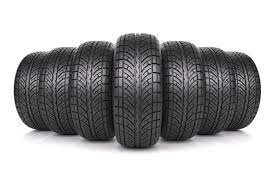
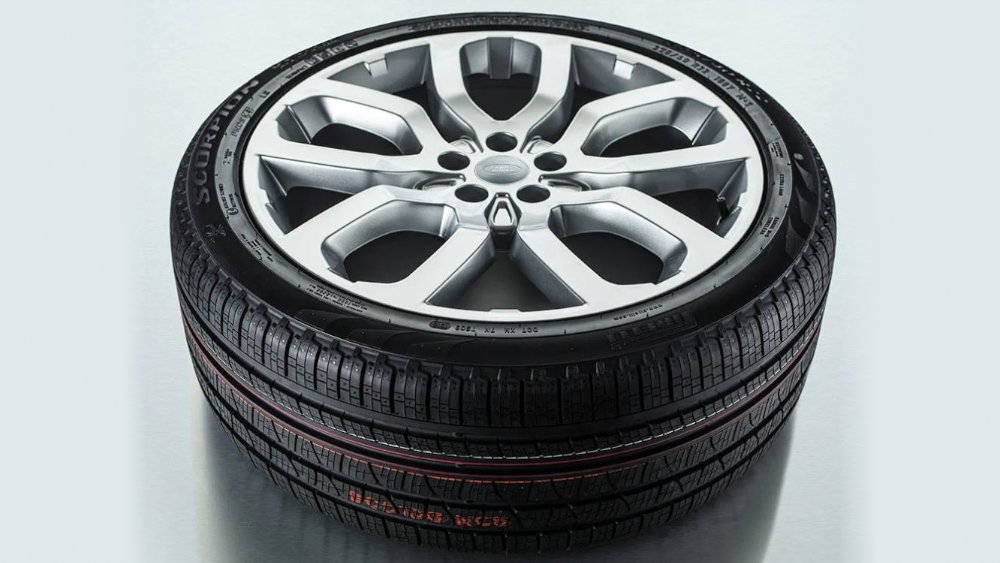
Tyres are made from a combination of natural rubber, synthetic rubber, and chemicals. When tyres roll on roads, they release tiny particles due to friction with every rotation.
These small particles mix with road dust and get washed away with rain. Even they may travel to rivers from drains. As you see, after reaching rivers, they are not too far from the sea. Sometimes these particles float in the air, and humans may inhale them.
How Serious Is This Problem?
If we link microplastics with environmental issues, this is not a small problem. According to research, Tyre wear is one of the biggest sources of microplastic pollution worldwide. According to some studies, tyres may release more microplastics than single-use plastic.
This issue is more dangerous in small and big cities where millions of cars drive every day.
Environmental Impact
Tyre microplastics are spread everywhere after they are released into the environment.
Microplastics not only pollute the air but also pollute the air or road surface and cause water pollution as well. Rainwater washes out dust into water sources like rivers and seas. Fish or other marine animals may mistake these tiny pieces for food. This condition is harmful to their growth and survival.
Microplastics also contaminate soil. They can settle in farmland and change soil structure, affecting crops. If this condition is not changed, over time, this could reduce fertility. Birds, insects, and animals may accidentally eat microplastics.
As you see, tyre wear and microplastics are not a city problem. It spreads to forests, fields, and oceans.
Human Health Concerns
Microplastics are not good for human health. Tiny particles from tyres may finish their journey in the food chain. For example, fish may eat them, and humans eat fish. Vegetables also absorb microplastic particles from soil. Even you may face the risks of microplastics from drinking water.
Different studies show that tyre particles in the air can be inhaled. These particles may enter the lungs and cause breathing issues.
Why Do People Ignore This Topic?
People normally do not talk about the effects of microplastics. Actually, threats like smoke and harmful gases are more visible than these tiny particles. Since people do not see tyre dust, they do not treat it as a dangerous issue. The quietness of this issue makes it more dangerous.
The solution to this problem is not easy. We cannot stop using tyres because they are essential for transport.
What Tyre Companies Are Doing
Tyre makers have started to notice this issue. They are taking the following steps to avoid risk factors:
Companies are testing bio-based rubbers and renewable oils. Moreover, they are working on new designs that will reduce wear. So, fewer tiny particles are released. Some companies are trying to develop wheel-arch filters that trap tyre dust before it spreads.
This is just a start, and we will observe real effects after many years.
What Drivers Can Do
Drivers cannot eliminate the issue completely. But they take small steps to reduce the release of microplastics.
Driving smoothly is the simplest step drivers can take to reduce negative effects. Aggressive acceleration and hard braking increase tyre wear.
Moreover, drivers should maintain air pressure. Correct air pressure is recommended by tyre makers and experts. Both underinflated and overinflated tyres wear faster and release more plastic particles.
Buy quality tyres so they do not wear easily, and you can use them for a long time.
Consider Eco Tyres:
Some leading brands like Bridgestone Tyres Leeds make eco-friendly tyres that are designed for lower emissions and reduced wear.
Future of Tyres and Microplastics
With the rise of Electric vehicles, microplastics have become a bigger topic. EVs are heavier than normal cars. Therefore, the tyres move on the surface with more friction and heat, promoting wear.
Therefore, companies are looking for reduced wear, more efficiency, and new designs while making new tyres.
Conclusion
Tyres are not just round structures of rubber. They keep your car stable on roads. Drivers know about the role of tyres, but they are not aware of the other side.
Tyres are silent polluters, releasing microplastics every time they move on the road. As you have seen, microplastics affect road surfaces, water sources, wildlife, and even human health.
A permanent solution to this problem is possible if drivers take simple steps to reduce tyre wear. Moreover, companies should be engaged in research and development to decrease the bad effects.
Buying secondhand Tyres Leeds is also a good step to resolve the issue, but you have to consider their health condition. If you buy new tyres, consider eco-friendly options as another permanent solution.


The pollution in the river has a food chain effect on humans.
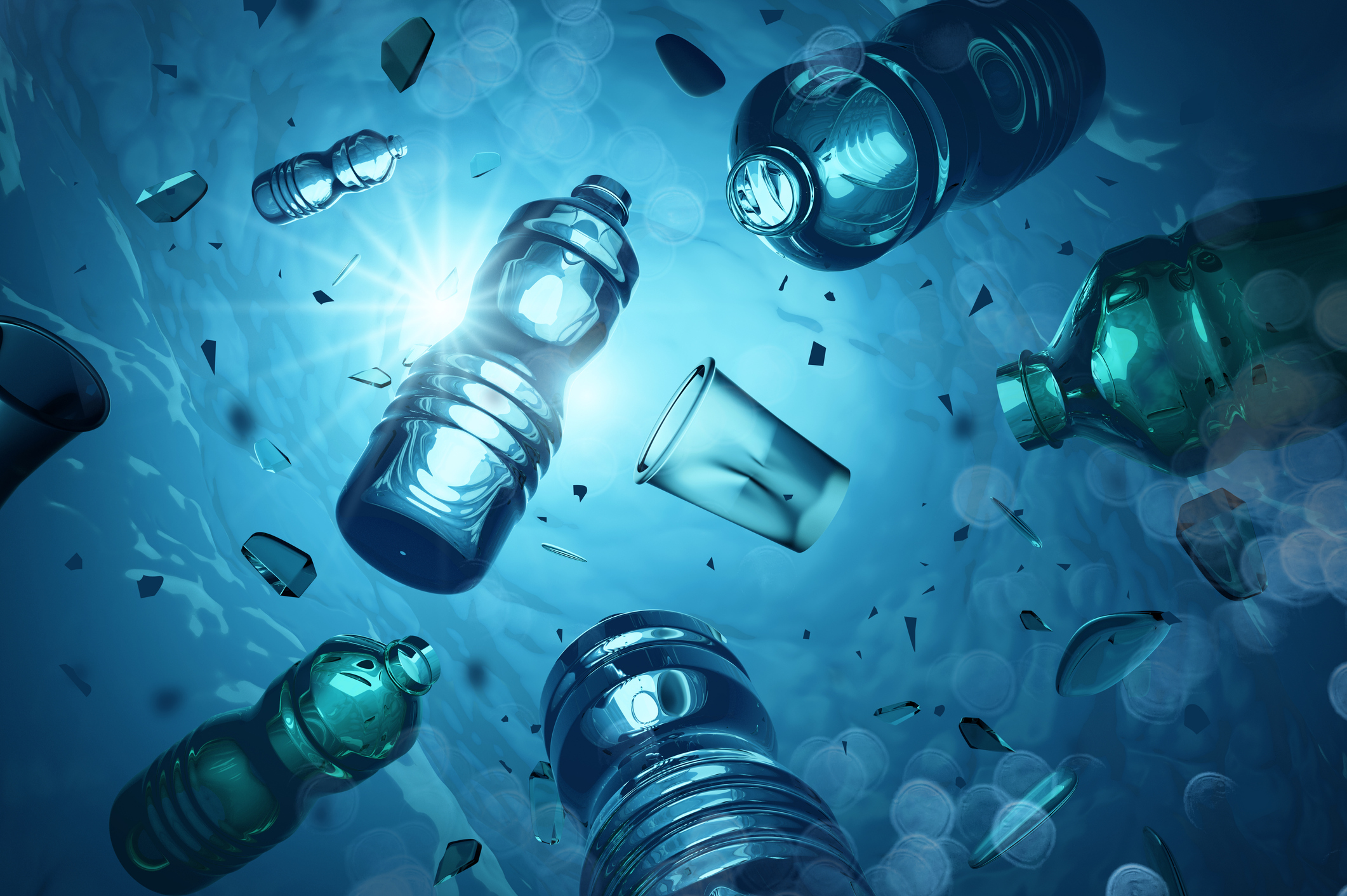
Fishes or other species in the rivers ingest many particles including the micro-plastics.
And, when humans eat those fishes, these small tiny particles of micro-plastics can accumulate in human body causing damage.
The union government, although, supplements the efforts of state governments in the abatement of pollution in rivers.
With this objective, the union government collaborates with state governments under the National River Conservation Plan (NRCP) on a cost-sharing basis for rivers other than Ganga and its tributaries.
For Ganga and its tributaries, the central government had already launched Namami Gange in 2014 with the total budgetary outlay of Rs 20,000 crore.