





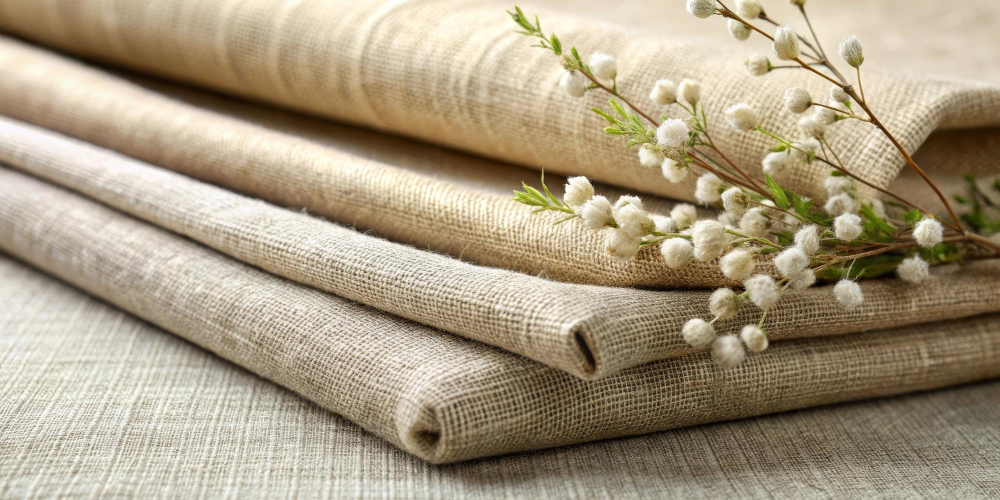
Linen fabric demand continues to rise as fashion brands prioritize sustainable materials and consumers seek breathable, durable clothing options. However, many small to medium-sized businesses face a common challenge: sourcing quality linen fabric wholesale without committing to massive order quantities.
The textile industry often requires high Minimum Order Quantities (MOQs), which can strain budgets and create inventory issues for growing brands. Small fashion startups, independent designers, and boutique retailers need flexible sourcing solutions that allow them to buy fabric online without breaking the bank.
This guide provides practical strategies for sourcing linen fabric at competitive wholesale prices with manageable MOQs. Whether you're launching a new clothing line or expanding your existing collection, these approaches will help you secure quality linen fabric while maintaining financial flexibility.
Why Choose Linen Fabric?
Linen fabric offers several advantages that make it attractive to both manufacturers and consumers. This natural fiber, derived from flax plants, provides exceptional breathability and moisture-wicking properties, making it perfect for warm-weather clothing.
The durability of linen fabric sets it apart from other natural fibers. Well-made linen garments can last for years with proper care, often becoming softer and more comfortable with each wash. This longevity appeals to consumers seeking sustainable fashion choices.
Sustainability factors drive much of linen's popularity. Flax plants require less water than cotton and utilize the entire plant, creating minimal waste. Many eco-conscious brands choose linen fabric to align with their environmental values and attract like-minded customers.
Versatility makes linen suitable for various applications, from casual wear to home textiles. Fashion brands can use the same linen fabric for dresses, shirts, pants, and accessories, simplifying their sourcing process and inventory management.
Understanding MOQs in Fabric Sourcing
Minimum Order Quantities represent the smallest amount of fabric a supplier will sell in a single order. Traditional textile manufacturers often set high MOQs to ensure production efficiency and profitability. These requirements can range from 500 to 5,000 meters or more per color and style.
High MOQs create several challenges for smaller businesses. They tie up significant capital in inventory, increase storage requirements, and limit design flexibility. New brands may struggle to forecast demand accurately, risking excess inventory or stockouts.
Low MOQs provide greater flexibility for testing new designs, colors, and styles without major financial commitments. Businesses can respond quickly to market trends and customer feedback while maintaining lean inventory levels.
Strategies for Sourcing Linen at Low MOQs
Direct from Manufacturers
Working directly with linen fabric manufacturers can provide competitive wholesale prices and customization options. Many manufacturers offer lower MOQs for established relationships or during off-peak seasons.
Research manufacturers that specialize in linen production and have experience working with smaller brands. European manufacturers often produce high-quality linen but may require higher MOQs. Asian manufacturers typically offer more flexible terms and competitive pricing.
Build relationships with manufacturer representatives through consistent communication and reliable payment terms. Long-term partnerships often lead to better pricing and more flexible MOQ requirements.
Online Marketplaces
Digital platforms have transformed fabric sourcing by connecting buyers with suppliers worldwide. These marketplaces offer various linen fabric options with detailed specifications and pricing information.
Alibaba remains one of the largest B2B platforms for fabric sourcing. Search for verified suppliers with good ratings and reasonable MOQs. Contact multiple suppliers to compare prices, quality standards, and terms.
Specialized fabric platforms like Fabriclore focus specifically on textile sourcing and often cater to smaller businesses with competitive MOQs. These platforms understand the unique needs of fashion brands and provide customized solutions for linen fabric wholesale purchasing.
Etsy and similar platforms connect buyers with smaller suppliers and fabric producers. While quantities may be limited, these sources often offer unique linen fabric varieties at reasonable minimums.
Local and Regional Suppliers
Domestic suppliers provide several advantages including faster shipping, easier communication, and the ability to inspect fabrics before purchase. Many regional suppliers maintain relationships with international mills and can offer competitive pricing on linen fabric.
Search for fabric distributors and wholesalers in major metropolitan areas. These businesses often stock various linen fabric types and can accommodate smaller orders. Building local relationships also supports domestic businesses and reduces shipping costs.
Trade associations and industry directories can help identify regional suppliers specializing in linen fabric wholesale. Many suppliers prefer working with local businesses due to reduced shipping complexities and payment risks.
Trade Shows and Industry Events
Textile trade shows provide opportunities to meet suppliers face-to-face, inspect fabric samples, and negotiate terms directly. Major events like Texworld and Material Xchange showcase various linen fabric suppliers and manufacturers.
Attend shows with clear objectives and prepare questions about MOQs, pricing, and customization options. Collect samples and contact information for follow-up discussions. Many suppliers offer show specials or introduce new products at these events.
Regional and specialty trade shows may offer better access to suppliers willing to work with smaller MOQs. Research events that focus on sustainable textiles or small-batch production for the most relevant contacts.
Negotiation Tips for Better Terms
Successful negotiation requires preparation and understanding of supplier perspectives. Research market prices and competitor offerings before entering discussions. Prepare to demonstrate your business credibility and growth potential.
Start conversations by explaining your business model and volume projections. Many suppliers will consider lower initial MOQs for customers who demonstrate growth potential and consistent ordering patterns.
Offer flexible payment terms or advance deposits to secure better pricing and lower MOQs. Some suppliers provide discounts for upfront payment or will reduce minimums for guaranteed future orders.
Consider consolidating orders across multiple fabric types or colors to meet MOQ requirements. Suppliers may offer better terms when total order values reach certain thresholds, even if individual items fall below standard minimums.
Build relationships through consistent communication and reliable business practices. Suppliers prefer working with customers who pay promptly, provide clear specifications, and maintain professional relationships.
Case Studies in Successful Linen Sourcing
A boutique women's clothing brand reduced their linen fabric costs by 30% by partnering with a regional distributor. They committed to quarterly orders and received preferential pricing on their core linen fabric varieties. This relationship provided inventory predictability and cash flow benefits.
An emerging sustainable fashion company utilized Fabriclore's customization services to develop unique linen fabric blends at manageable MOQs. They tested multiple color combinations and textures before scaling production, minimizing inventory risk while maintaining design flexibility.
A home textile startup combined online sourcing with trade show networking to build a diverse supplier network. They secured agreements with three different linen fabric suppliers, ensuring supply continuity and competitive pricing through supplier competition.
Building Long-Term Success
Successful linen fabric sourcing requires balancing cost, quality, and flexibility considerations. Start with smaller suppliers or platforms that accommodate low MOQs while building your business and understanding market demand.
Maintain detailed records of supplier performance, including quality consistency, delivery times, and communication responsiveness. This information helps inform future sourcing decisions and supplier negotiations.
Plan inventory needs carefully to take advantage of bulk pricing when business volume supports larger orders. Growing businesses can gradually increase order quantities to access better wholesale pricing while maintaining appropriate inventory levels.
Stay informed about linen fabric trends and market conditions. Suppliers appreciate customers who understand industry dynamics and can make informed purchasing decisions.
Your Next Steps in Linen Sourcing
Sourcing linen fabric in bulk at low MOQs requires strategic planning and relationship building. Start by identifying suppliers that align with your quality standards and business requirements. Compare pricing, terms, and capabilities across multiple sources before making commitments.
Focus on building partnerships with suppliers who understand your business needs and growth trajectory. Reliable relationships often prove more valuable than the lowest initial price, particularly as your business scales.
The linen fabric market continues to evolve with increasing demand for sustainable textiles and customization options. Businesses that establish flexible sourcing strategies now will be better positioned for future growth and market changes.
Ready to source premium linen fabric for your next collection? Visit Fabriclore to access wholesale linen fabric options with competitive MOQs and customization capabilities designed for growing fashion brands.
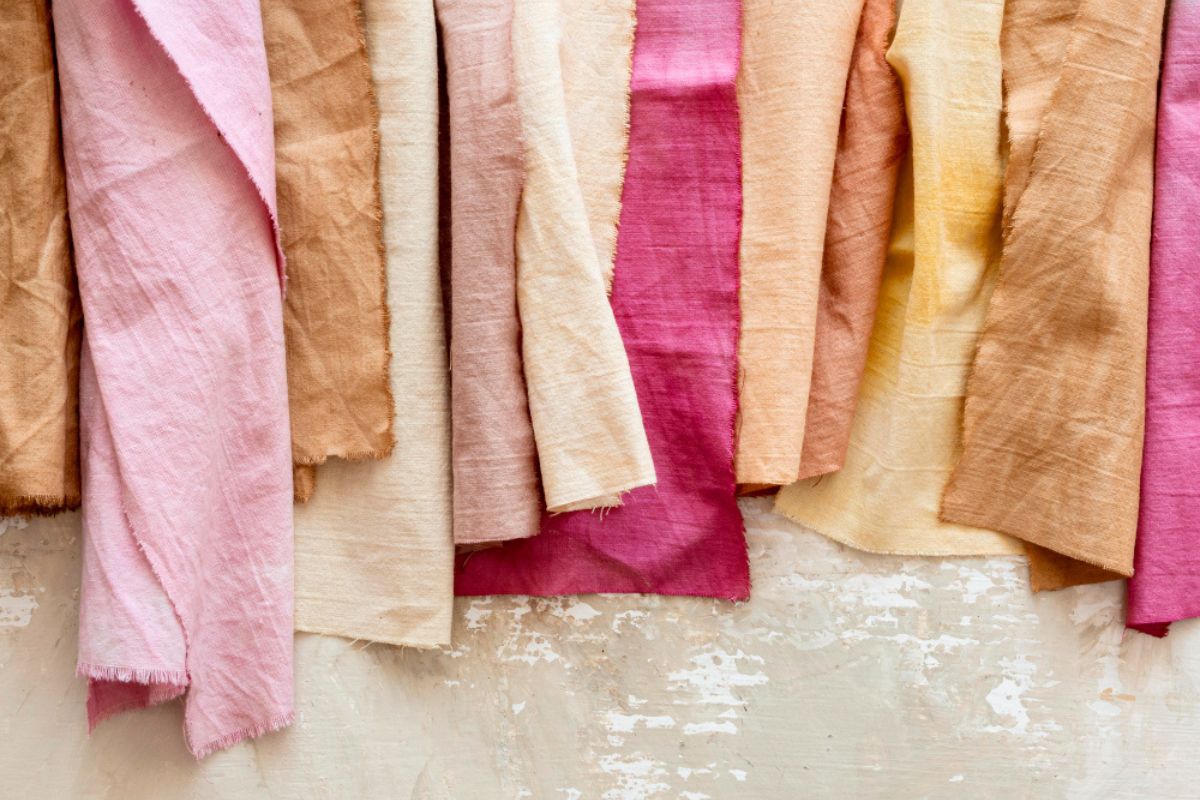
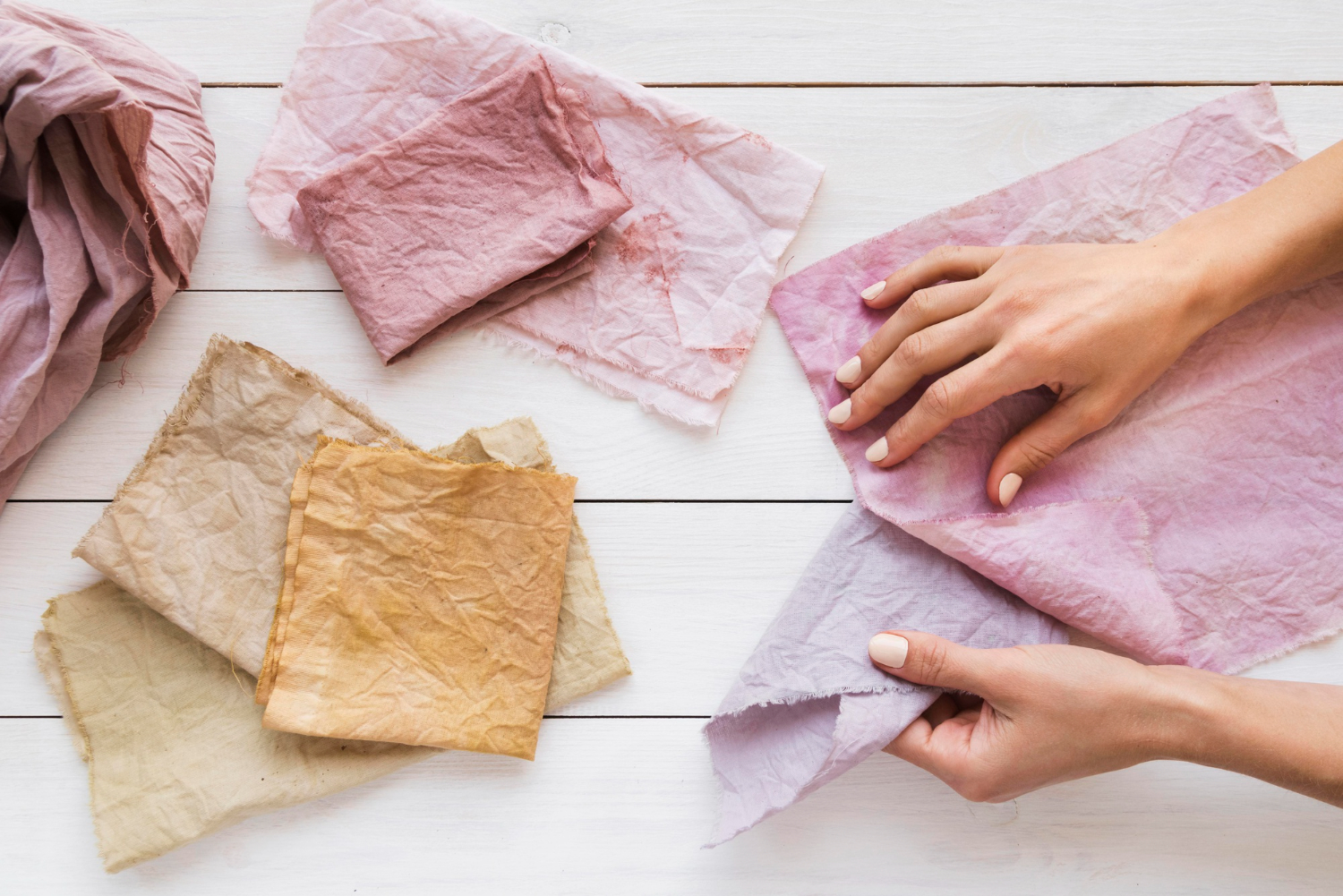

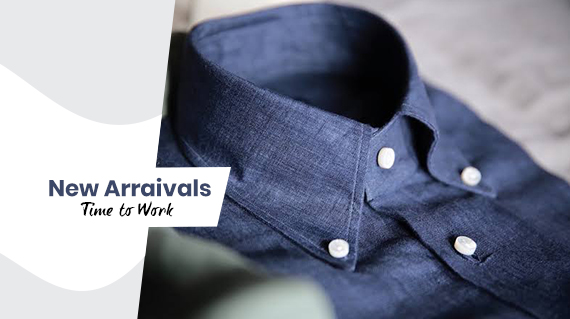
Bright colors and vivid prints are always going to be something difficult to pull off Linen Shirt Material Online, if you have the right set of accessories such as a sling bag or sunglasses – you are good to go.
One can opt for exquisite white pieces as well.
It is imperative that one analyzes their style to look great.