

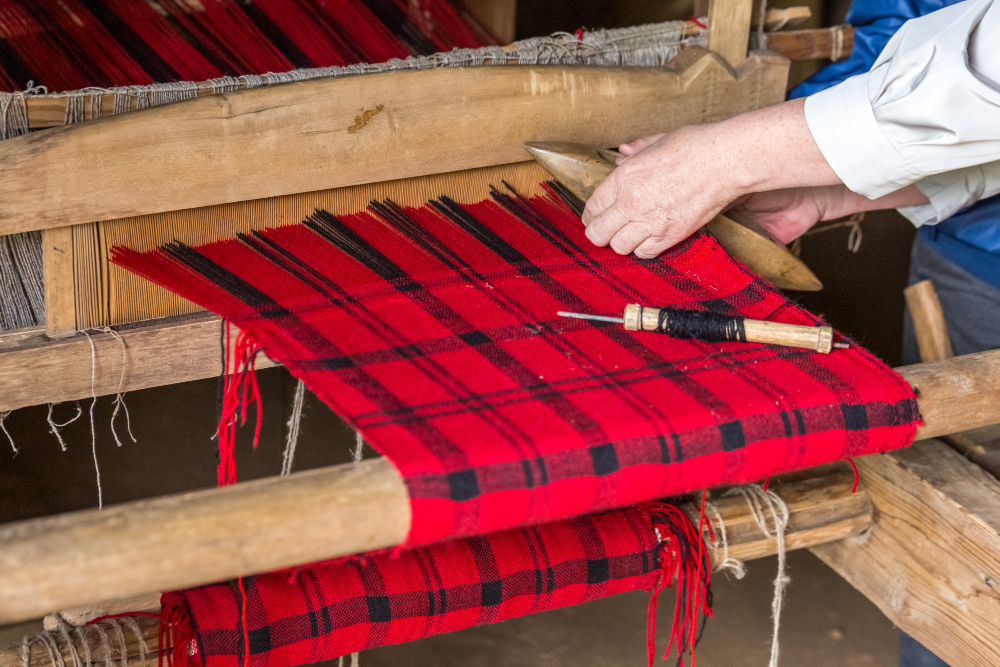
The global apparel market constantly shifts, with brands always looking for the next reliable sourcing hub. While Asia often dominates the conversation, Israel remains a significant player, particularly when it comes to high-tech textiles and specialized woven fabric garmenting. For apparel brands seeking a blend of innovation, quality, and strategic access to Western markets, Israel offers a compelling proposition.
This guide breaks down the landscape of the Israeli woven fabric industry, highlighting why this region matters for your supply chain.
The State of Woven Fabric Garmenting in Israel
Israel's textile industry has undergone a massive transformation. Decades ago, it was a hub for traditional mass production. Today, the focus has shifted toward high-value products. The industry now prioritizes seamless technology, high-performance fabrics, and technical textiles used in protective gear and medical applications.
However, fashion remains a core component. Israeli manufacturers combine decades of expertise with modern automation. This approach allows them to produce complex woven garments—like tailored suits, denim, and intricate outerwear—that meet strict international standards.
Key Woven Fabric Types in Production
Israeli manufacturers work with a diverse range of materials. Understanding these capabilities helps brands decide if this region fits their product lines.
Cotton and Blends
Cotton remains a staple. Israeli mills process high-quality cotton for use in casual wear, button-down shirts, and trousers. Manufacturers often blend cotton with synthetic fibers to enhance durability and wrinkle resistance.
Technical Wovens
This is where Israel truly stands out. The industry leads in developing woven fabrics with specific properties, such as flame resistance, moisture-wicking capabilities, and antibacterial treatments. These are essential for workwear and activewear brands.
Sustainable Alternatives
Global demand for eco-friendly products drives local production. You will find manufacturers utilizing Tencel, organic linen, and recycled polyester. Sourcing agents can help you buy fabric online or directly from mills that prioritize these sustainable inputs.
Why Source Woven Garments from Israel?
Sourcing from Israel offers specific strategic advantages over other regions.
Duty-Free Access
One of the biggest financial incentives is the Free Trade Agreements (FTAs) Israel holds with major markets, including the United States (via the QIZ agreement with Egypt and Jordan) and the European Union. These agreements can significantly reduce landed costs for apparel brands.
Innovation and Technology
Israel is known as the "Startup Nation," and this mindset extends to textiles. Manufacturers utilize advanced CAD/CAM systems for precise pattern making and cutting. This reduces fabric waste and ensures a consistent fit across production runs.
Speed to Market
For brands targeting European markets, Israel offers shorter lead times compared to East Asia. The proximity allows for quicker shipping, which is crucial for fast-fashion models or restocking best-sellers.
Key Manufacturing Hubs
While the industry is smaller than in the past, specific zones remain active.
Tel Aviv & Central District: This area serves as the design and management hub. Many headquarters and showrooms are located here, where brands can meet with suppliers to discuss collections.
Northern District: Historically a center for textile production, several specialized factories operate here, focusing on high-quality weaving and finishing.
Quality Standards and Certifications
Credibility is non-negotiable for serious apparel brands. Israeli manufacturers generally adhere to rigorous quality control processes.
- ISO Standards: Most established factories maintain ISO 9001 certifications for quality management systems.
- Oeko-Tex: To meet European safety standards, many suppliers ensure their fabrics are Oeko-Tex Standard 100 certified, guaranteeing they are free from harmful substances.
- Labor Compliance: Israel has strict labor laws. Sourcing here generally lowers the risk of the labor violations often found in unregulated markets.
Sourcing Tips for Apparel Brands
Navigating a new market requires a clear strategy. Follow these best practices when approaching Israeli suppliers.
1. Define Your Technical Pack
Before contacting suppliers, have a detailed tech pack ready. This should include your sketches, measurements, grading rules, and bill of materials (BOM). Israeli manufacturers appreciate professional preparation.
2. Verify Minimum Order Quantities (MOQs)
MOQs in Israel can vary. Some high-tech facilities require larger runs, while boutique factories may accept smaller orders at a premium. Clarify this early in the negotiation.
3. Leverage Digital Sourcing
You don't always need to travel. Many suppliers now facilitate fabric wholesale transactions digitally. Platforms allow you to buy fabric online and request swatches before committing to bulk production.
4. Partner with Experts
If you are new to the region, consider working with established sourcing partners. Companies like Fabriclore Pvt Ltd bridge the gap between brands and manufacturers. As a leading supplier with both local and online presence, Fabriclore connects brands with vetted textile providers, ensuring seamless communication and quality assurance.
Case Study: Success in Specialized Apparel
Consider the trajectory of Tefron (though largely known for seamless knits, they represent the region's innovation). Their shift from basic manufacturing to high-tech production allowed them to supply global giants like Victoria's Secret and Under Armour.
Similarly, smaller boutique brands sourcing woven linens and cottons from Israel have successfully positioned themselves in the premium market by leveraging the "Made in Israel" label as a mark of quality and ethical production.
Future Trends and Innovations
The future of Israeli garmenting lies in smart textiles and sustainability.
3D Printing & Weaving: Research is underway to integrate 3D printing directly onto woven fabrics, creating garments with built-in structure without the need for complex sewing.
Waterless Dyeing: To combat water scarcity, Israeli tech firms are developing digital dyeing technologies that drastically reduce water usage during the finishing process.
Circular Economy: Expect to see more facilities dedicated to textile recycling, allowing brands to create closed-loop supply chains.
Strategize Your Sourcing
Israel offers a distinct mix of technological prowess, ethical standards, and trade advantages. For apparel brands producing woven garments—whether it's technical workwear or high-end fashion—this region provides a reliable alternative to traditional mass-market hubs.
To start, evaluate your current supply chain needs. If you require technical innovation, shorter shipping times to Europe, or duty-free access to the US, Israel deserves a spot on your sourcing map.
Start small. Request samples. Verify certifications. And if you need a trusted partner to navigate the fabric wholesale market or help you buy fabric online, consider reaching out to industry experts like Fabriclore to streamline the process.