


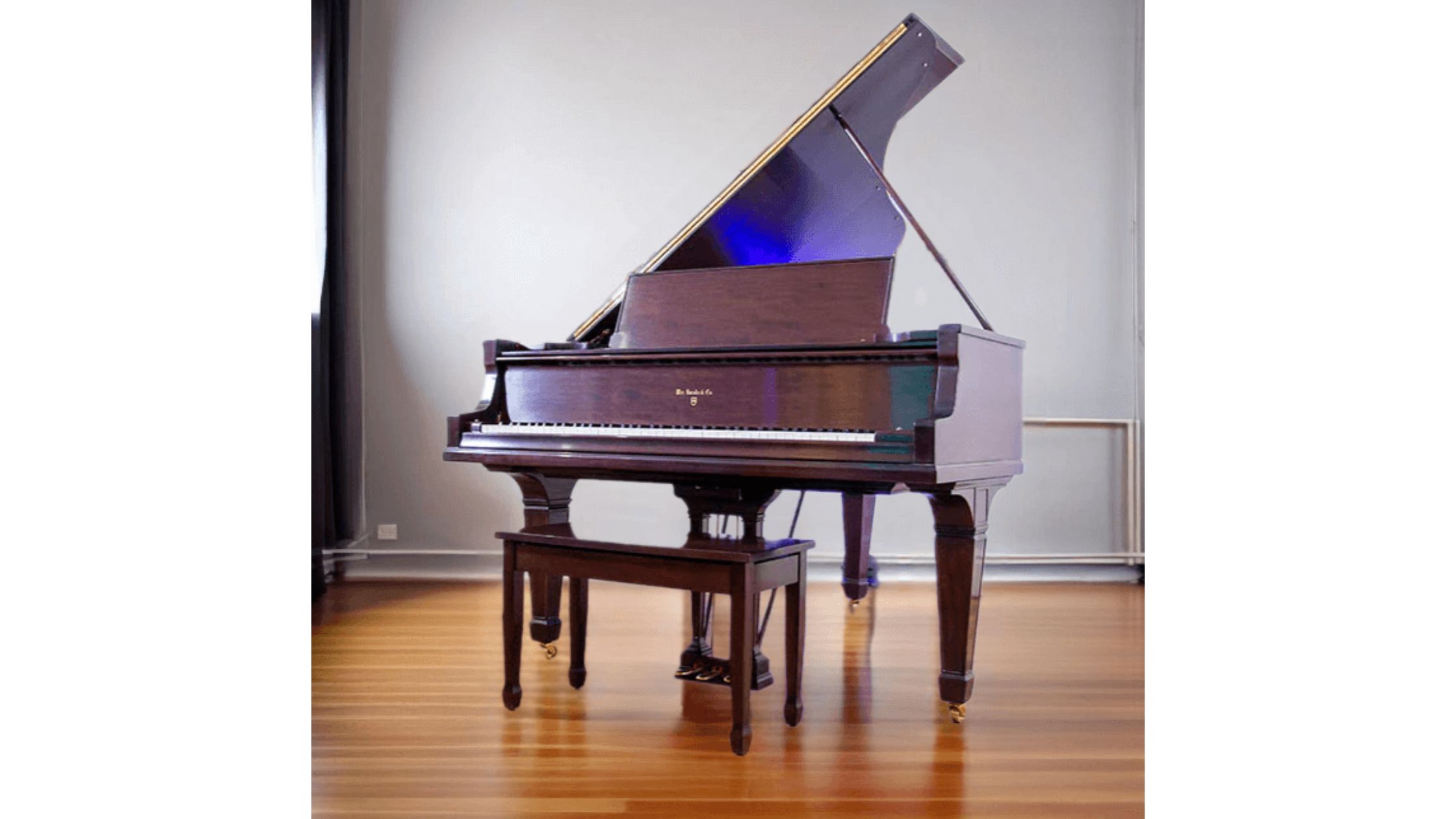
Owning a grand piano is a dream come true for many music lovers. Its majestic sound, timeless elegance, and ability to fill a room with warmth make it one of the most prized instruments in the world. But as with any valuable possession, a piano needs proper care and attention to ensure it stands the test of time. Neglecting maintenance can lead to costly repairs and, in some cases, irreparable damage.
If you’ve invested in a baby grand piano, you already know it’s more than just an instrument, it’s an heirloom, a centerpiece, and a symbol of artistry. To keep it in perfect playing condition, you’ll want to follow these 10 essentials of grand piano care that can help yours last a lifetime.
1. Control the Humidity Around Your Piano
Pianos are incredibly sensitive to changes in humidity. Excessive dryness can cause wood to crack, while high humidity can make it swell, throwing your instrument out of tune. Ideally, you want to keep the environment around 40–50 percent relative humidity.
Consider investing in a humidifier or dehumidifier, depending on your climate, or a piano-specific humidity control system. Maintaining stable humidity not only preserves the piano’s structure but also its tuning stability and overall tonal quality.
2. Keep Your Piano Away from Sunlight
Direct sunlight can do serious damage to your piano’s finish. Over time, exposure can lead to fading, discoloration, or even cracks in the varnish. More importantly, sunlight also affects the delicate internal components by heating and drying them out.
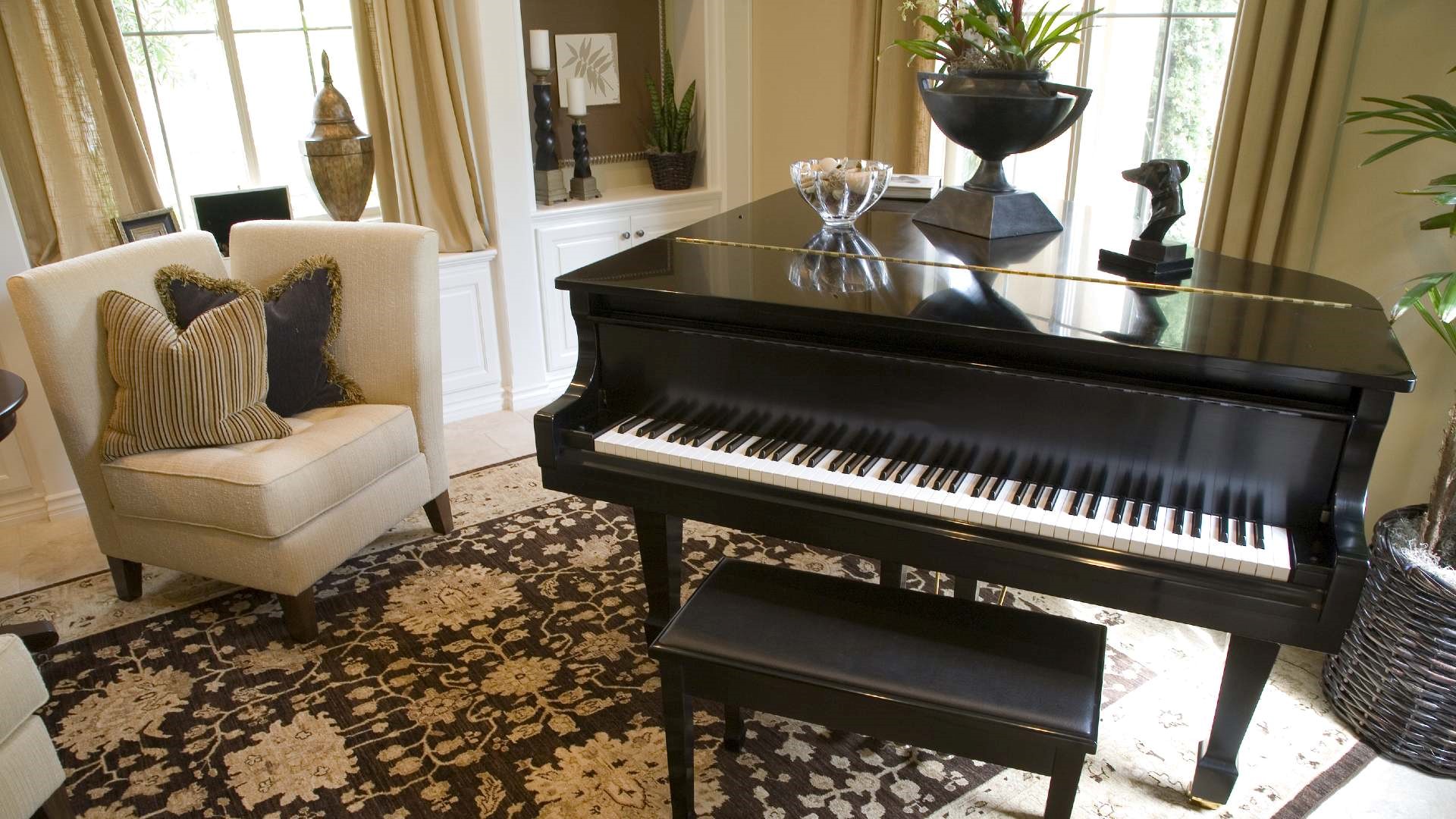
To protect your instrument, position it away from windows or use heavy curtains to block harmful rays. A well-placed rug under the piano can also help regulate temperature changes from below.
3. Tune Your Piano Regularly
Even the best pianos fall out of tune over time. As strings stretch and the wooden frame reacts to environmental changes, the pitch naturally shifts. For most pianos, tuning twice a year is recommended, although more frequent tuning might be necessary in regions with dramatic seasonal changes.
Regular tuning ensures your piano sounds as it should and prevents excessive tension on the frame, which could cause long-term damage.
4. Dust Gently and Frequently
Dust may seem harmless, but it can affect the piano’s finish and work its way into the action if left unchecked. Use a soft, lint-free cloth to wipe down the surface regularly. Avoid using furniture polish or chemical cleaners, as they can damage the finish.
For the keys, a lightly damp cloth works best, followed by drying with a soft towel. Never use harsh cleaners, as they can cause the keys to discolor or warp.
5. Close the Lid When Not in Use
It might look elegant with the lid open, but keeping it closed when you’re not playing is a simple yet effective way to protect your piano. A closed lid keeps dust, dirt, and even accidental spills away from the delicate strings and hammers inside.
If you want the grand look while still protecting your piano, consider a custom-fitted piano cover. This way, you can enjoy the aesthetic appeal while maintaining its longevity.
6. Play It Regularly
A piano is like a living instrument, it thrives when it’s played. Regular playing keeps the action moving, the keys responsive, and the hammers in proper condition. Neglecting to play for long stretches can cause parts to stiffen, making the action less responsive over time.
Even if you’re not practicing daily, sit down a few times a week to keep your instrument healthy and vibrant.
7. Schedule Professional Maintenance
Tuning isn’t the only professional service your piano needs. A technician can regulate the action, adjust the pedals, and check for subtle issues that may not be visible to the untrained eye. Annual or bi-annual inspections are a wise investment to prevent small issues from snowballing into costly repairs.
Think of it like a check-up for your instrument, it ensures everything is functioning at its best.
8. Avoid Moving It Without Professionals
A grand piano is not just heavy, it’s also incredibly delicate. Attempting to move it yourself can cause permanent damage to the instrument and potentially injure you. The internal mechanics are finely balanced, and rough handling can throw them out of alignment.
Always hire professional piano movers if you need to relocate your piano. They have the right equipment and expertise to handle such a valuable instrument with care.
9. Maintain the Finish with Care
The exterior of your grand piano is as much about aesthetics as it is about protection. To preserve its beauty, use only products designed specifically for piano finishes. Avoid waxes or polishes that leave residues.
Microfiber cloths are ideal for gentle cleaning. Regularly maintaining the finish not only keeps your piano looking elegant but also protects the wood beneath.
10. Monitor Baby Grand Piano Prices and Value
This tip may surprise you, but keeping an eye on baby grand piano prices can actually help you maintain your instrument’s value over time. Much like fine art or antiques, pianos can appreciate in value depending on their make, condition, and maintenance history. By understanding market trends, you’ll recognize just how much your careful upkeep is paying off.
Why Choose A440 Piano for Your Piano Needs
At A440 Piano, we know just how important your piano is to you, not just as a musical instrument, but as a centerpiece of your home. Our team is passionate about helping you find the right instrument, offering guidance on baby grand piano prices, and providing professional services to keep your piano in perfect condition for years to come. With years of expertise and a reputation for outstanding service, A440 Piano is trusted by musicians, collectors, and families who value quality and longevity in their instruments.
Conclusion
A grand piano is more than just an instrument, it’s an investment in beauty, sound, and tradition. By following these 10 essentials of grand piano care, you can ensure your piano remains a joy to play and a treasure to behold for generations. From controlling humidity to scheduling professional maintenance, each step plays a vital role in extending the life of your instrument.
Treat your piano with the care it deserves, and it will reward you with decades of music, inspiration, and timeless elegance.


Browse the Re RockSpace Local website and get the latest things that will make Rockspace wifi extender setup easy.
Which offers you 24/7 support across the globe and set up your range extender that easily connects to your current network by using advanced tools and software.