


The world of motion graphics is evolving at an unprecedented pace. With the rise of augmented reality (AR), virtual reality (VR), and the metaverse, designers now have tools to create fully immersive and interactive experiences. Understanding these emerging technologies is crucial for motion designers who want to stay ahead in this dynamic industry.
Introduction to the Future of Motion Graphics
How Motion Graphics Have Evolved
Motion graphics have transformed from simple 2D animations to complex, interactive, and immersive visuals. Early animations were primarily used in television and commercials, but today, motion design integrates storytelling, interactivity, and real-time experiences across digital platforms. Modern motion designers are no longer limited to traditional tools—they now harness AR, VR, and AI-powered technologies to create engaging visual content.
Importance of Emerging Technologies
Emerging technologies like AR, VR, and metaverse platforms are redefining the way audiences interact with visuals. These tools allow designers to create experiences that are not just seen but felt. For motion designers, mastering these technologies is not optional—it’s a necessity to remain competitive and relevant in the industry.
Augmented Reality (AR) in Motion Graphics
What is AR and How It Works
AR overlays digital content on the real world using cameras, sensors, and computer vision. In motion graphics, AR can bring static designs to life by creating interactive animations that respond to user actions, enhancing engagement and brand storytelling.
Applications of AR in Marketing and Branding
Brands are increasingly using AR to provide immersive experiences for customers. From interactive product demos to AR filters on social media, motion designers can create content that drives engagement and increases conversions.
Tools and Software for AR Motion Design
Popular AR tools include Adobe Aero, Spark AR, and Unity with AR Foundation. These platforms allow motion designers to integrate 3D objects, animations, and interactive elements seamlessly into real-world environments.
Virtual Reality (VR) and Immersive Motion Experiences
Understanding VR in Motion Graphics
VR immerses users in a fully digital environment. For motion graphics, this means creating entire 3D worlds where users can interact with animated elements, making storytelling more dynamic and experiential.
Creating Immersive 3D Environments
Motion designers use VR to craft detailed 3D spaces, realistic animations, and interactive sequences. These experiences are widely used in gaming, training simulations, and virtual events.
Software and Hardware for VR Animations
Software like Unity, Unreal Engine, and Blender are essential for VR animation. Coupled with hardware such as Oculus Quest, HTC Vive, and mixed reality headsets, designers can create realistic, immersive experiences.
Motion Graphics in the Metaverse
Defining the Metaverse and Its Role in Animation
The metaverse is a shared virtual space where users interact through avatars and digital assets. Motion graphics play a key role in designing environments, interactive objects, and virtual experiences within this space.
Interactive and Real-Time Motion Design
Unlike traditional animations, metaverse motion graphics are real-time and interactive. Designers must create adaptable visuals that respond dynamically to user actions, making the experience more engaging and lifelike.
Career Opportunities in Metaverse Animations
With the rise of metaverse platforms, demand for skilled motion designers is skyrocketing. Careers range from virtual environment designers to interactive experience developers, offering exciting new pathways in animation.
Trends Shaping the Future of Motion Graphics
AI and Machine Learning in Motion Design
AI-powered tools now automate repetitive tasks, generate creative suggestions, and enhance visual effects. Motion designers can focus more on storytelling and innovation while AI handles procedural animations and rendering.
Real-Time Collaboration and Cloud-Based Tools
Cloud-based software enables teams to work on projects simultaneously, regardless of location. This trend is making collaborative motion design faster, more efficient, and scalable for global projects.
Integration of AR, VR, and Metaverse Technologies
The future lies in hybrid experiences where AR, VR, and metaverse environments converge. Motion designers who can integrate these technologies into cohesive experiences will lead the industry.
Challenges and Opportunities for Motion Designers
Learning Curve and Technical Skills Required
Mastering AR, VR, and metaverse tools requires dedication and continuous learning. Designers need strong skills in 3D modeling, animation, programming basics, and real-time rendering.
Budget and Resource Considerations
Creating immersive experiences can be resource-intensive. Motion designers must balance creativity with software costs, hardware requirements, and project budgets to deliver high-quality results.
Staying Updated with Rapid Technological Changes
Technology in motion graphics evolves quickly. Staying current with updates, new tools, and emerging trends is essential for long-term success in this field.
Conclusion
Summary of Key Trends
The future of motion graphics is immersive, interactive, and powered by AR, VR, AI, and metaverse technologies. Designers are moving from static visuals to fully experiential storytelling.
Preparing for a Career in Future Motion Graphics
To thrive in this evolving field, aspiring motion designers should focus on continuous learning, hands-on projects, and mastering emerging tools. For those looking to gain expert guidance, the best motion graphic institute in Ahmedabad, eQuinoxx creative academy , offers comprehensive courses, industry insights, and practical training to launch a successful career in motion graphics and animation.
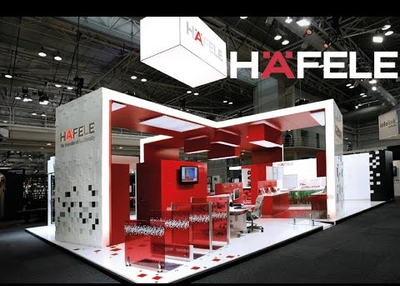
Corporate Films Made by The Jigsaw Corporate Film Maker Mumbai
For any more samples of our work do Call us or send us a Mail, as very few of our samples have been showcased here:-
There are many corporate film making companies who can shoot as well as edit a corporate film, but transforming it into an art piece requires some special abilities, and this is what The Jigsaw – Corporate Video Production Company promises to deliver you.
The team of The Jigsaw is always updated with new technology and use them it into videos.
We are always ready to work with new clients and give them a fruitful result.
Get in touch with us and let us discuss how we can bring your business up with great corporate videos.