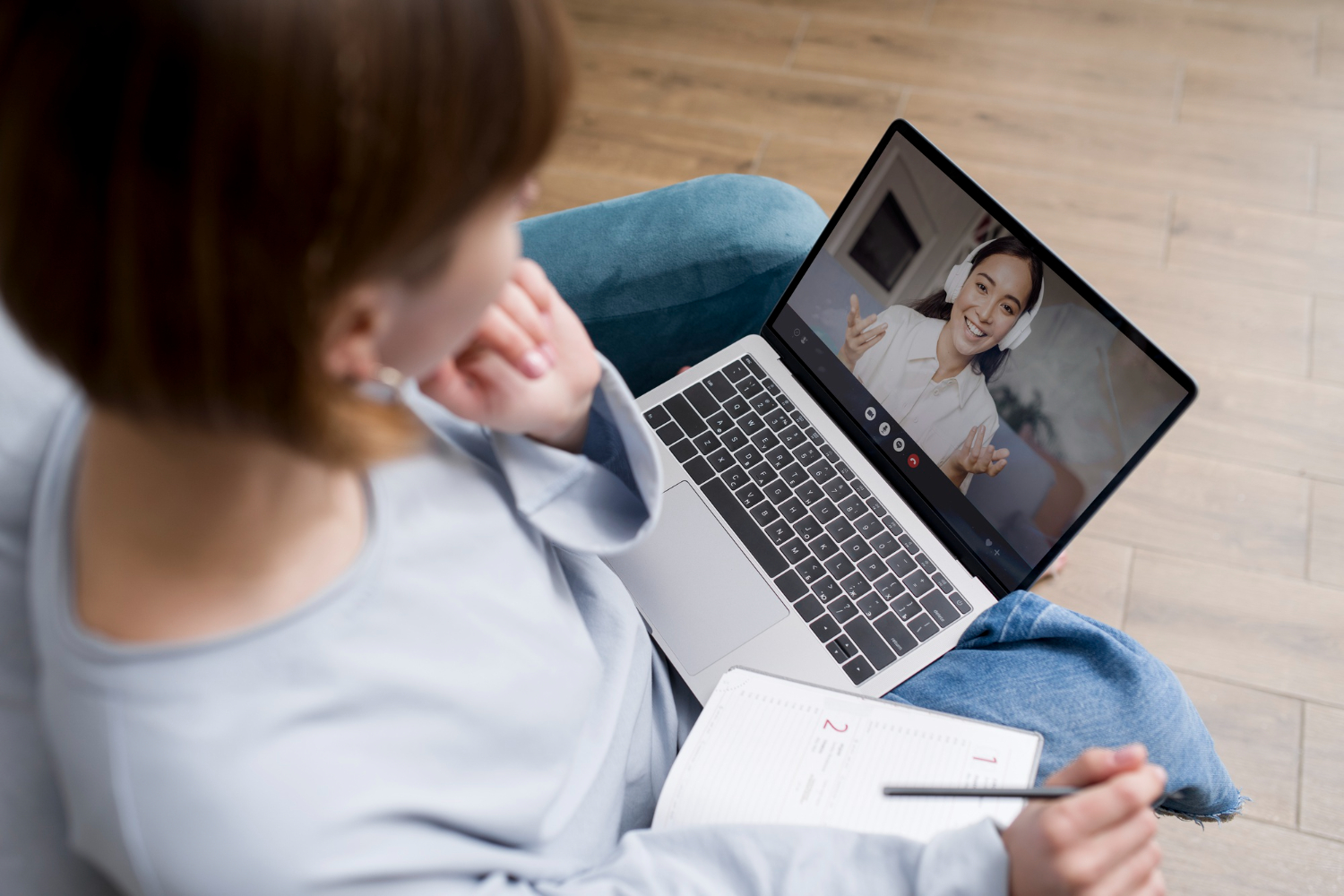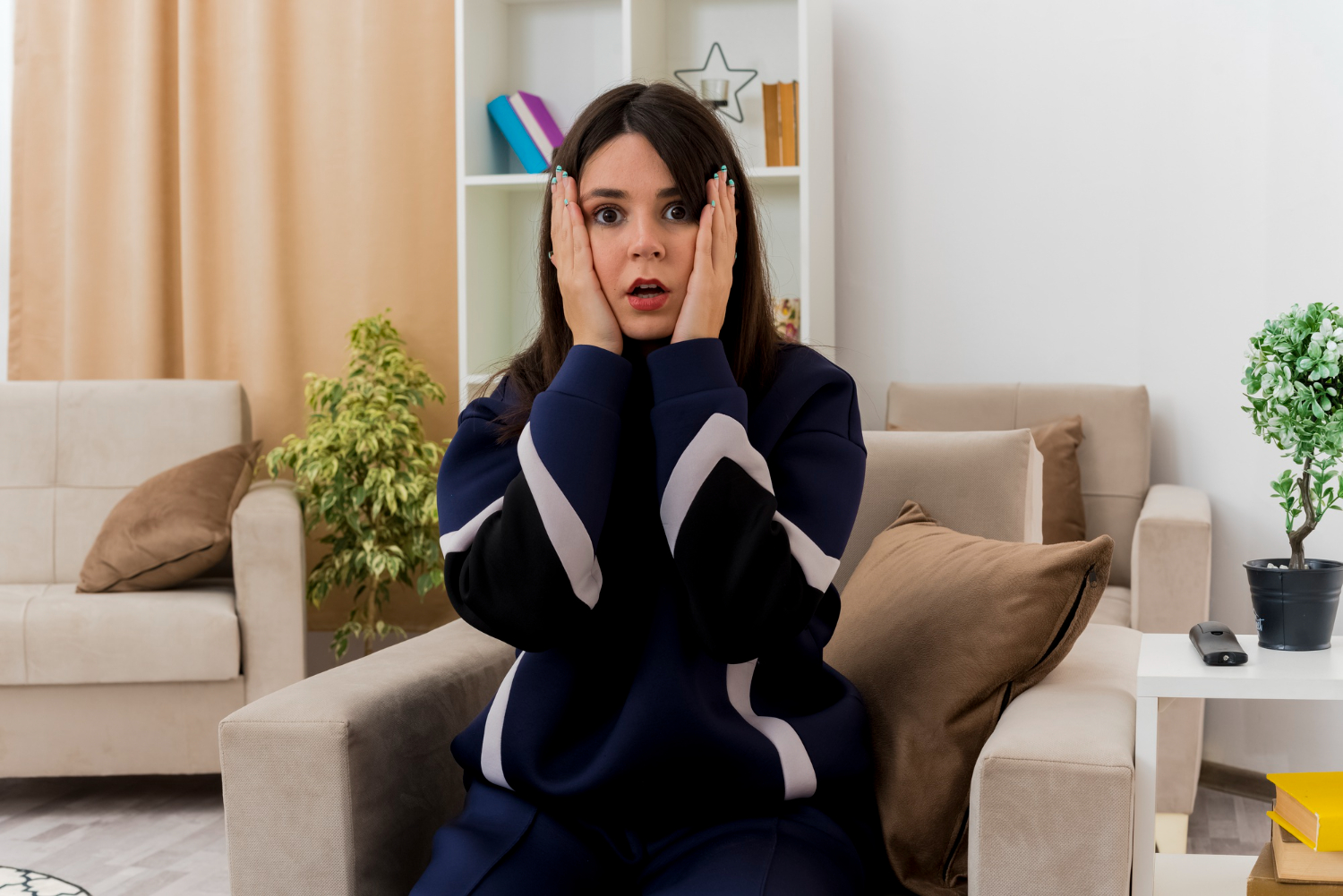
Living with panic disorder can feel like being trapped in a cycle of fear and uncertainty. The sudden rush of panic, racing heartbeat, and overwhelming sense of dread can make even daily tasks seem impossible. For many people, seeking help feels daunting—especially when anxiety itself makes leaving home difficult. Fortunately, Online Therapy for Panic Disorder has become a transformative way to access professional mental health support without the added stress of commuting or rigid scheduling. With the rise of telehealth, individuals can now connect with licensed therapists who specialize in anxiety and panic management—all from the comfort and safety of home.
Understanding Panic Disorder and Its Impact
Panic disorder is more than just occasional anxiety. It involves recurring panic attacks—intense surges of fear that often come on suddenly and without warning. These episodes can cause chest pain, dizziness, trembling, shortness of breath, or a feeling of losing control. While panic attacks themselves aren’t physically dangerous, the fear of experiencing another one can lead to avoidance behaviors. People may stop going out, driving, or engaging in social activities, isolating themselves from the world.
Over time, panic disorder can affect every part of life—relationships, career, and overall well-being. That’s why early intervention is so important. Online therapy provides accessible, consistent care that helps individuals regain control and break free from the cycle of panic and fear.
Why Online Therapy Is So Effective for Panic Disorder
Online therapy is not just a convenient alternative to in-person sessions—it’s a clinically proven method for treating anxiety and panic-related conditions. The virtual format removes many barriers that prevent people from seeking help and makes consistent care more achievable.
1. Comfort in Familiar Surroundings
One of the biggest advantages of online therapy is being able to attend sessions in a safe, comfortable environment. For someone with panic disorder, the thought of having an episode in public or while traveling to a clinic can be anxiety-inducing. Online sessions eliminate that stress. Whether from your bedroom or living room, you can talk openly with a therapist while feeling grounded in a familiar space.
2. Flexible Scheduling for Busy Lives
Therapy is most effective when it’s consistent, but traditional appointments can be difficult to fit into packed schedules. Online therapy offers flexible timing options—early mornings, late evenings, or weekends—so you can prioritize your mental health without disrupting your daily routine. For those balancing work, school, or family responsibilities, this flexibility makes therapy more sustainable long-term.
3. Access to Specialists Without Location Limits
In-person therapy often limits your choices to local providers, which can make it hard to find someone who truly specializes in panic disorder. Online therapy platforms expand your access to licensed professionals across the state or even nationwide. This means you can choose a therapist with experience in evidence-based techniques like Cognitive Behavioral Therapy (CBT), Exposure Therapy, or Acceptance and Commitment Therapy (ACT)—approaches proven to reduce panic symptoms effectively.
The Therapeutic Approaches Used in Online Treatment
Online therapy mirrors the structure of traditional therapy while offering unique advantages in accessibility and comfort. The methods used are grounded in years of psychological research.
Cognitive Behavioral Therapy (CBT)
CBT is one of the most effective treatments for panic disorder. It focuses on identifying the thought patterns that fuel panic attacks—such as catastrophic thinking (“I’m dying,” “I can’t breathe”)—and replacing them with realistic, calming perspectives. Over time, this cognitive restructuring helps reduce both the frequency and intensity of panic attacks.
Exposure Therapy
This approach helps people confront feared situations gradually, in a controlled and safe way. With online therapy, exposure can be integrated naturally—for instance, by discussing triggers in real-time or practicing coping skills during virtual sessions. Over time, exposure reduces the brain’s sensitivity to panic triggers, helping individuals reclaim parts of their life they once avoided.
Mindfulness-Based Stress Reduction
Mindfulness teaches people to focus on the present moment without judgment. For panic disorder, this practice helps reduce the fear of fear itself—the anxiety about having another attack. Therapists often guide clients through breathing exercises, body scans, or grounding techniques to help them stay calm during distressing moments.
Psychoeducation and Lifestyle Guidance
Understanding how panic attacks work physiologically can significantly reduce fear. Many online therapists educate clients on the body’s “fight or flight” response, showing how anxiety can create physical sensations that are uncomfortable but not harmful. They also provide guidance on lifestyle changes—like regular exercise, balanced sleep, and limiting caffeine—that complement therapy.
The Emotional Benefits of Online Therapy
Beyond reducing panic attacks, online therapy offers emotional and psychological growth that extends into everyday life.
Building Confidence and Self-Efficacy
Panic disorder often leaves people feeling powerless. Through online therapy, individuals learn to challenge negative thoughts and manage symptoms independently, rebuilding a sense of control. Each successful session strengthens self-confidence and resilience.
Reducing Isolation
It’s common for people with panic disorder to withdraw from social interactions out of fear or embarrassment. Online therapy helps bridge that gap. Talking regularly with a supportive therapist reduces loneliness and encourages healthier communication patterns in other relationships.
Long-Term Coping Skills
Therapy isn’t just about crisis management—it’s about equipping clients with lifelong tools. Skills such as deep breathing, progressive relaxation, and positive visualization become powerful techniques for navigating future stressors.
Integrating Therapy with Self-Care Practices
For optimal results, therapy should be paired with consistent self-care. Simple daily habits can greatly enhance the effectiveness of online sessions:
Practice relaxation techniques: Spend 10 minutes daily on deep breathing or meditation.
Exercise regularly: Physical activity helps release tension and boosts mood.
Maintain a routine: Predictability can reduce anxiety and help the nervous system stay balanced.
Limit stimulants: Caffeine and nicotine can trigger anxiety symptoms.
Track progress: Journaling thoughts and panic triggers helps identify patterns and growth.
Consistency is key—both in therapy and personal wellness routines. Together, these practices build a foundation for lasting recovery.
How Online Therapy Differs from In-Person Sessions
While the goals of therapy remain the same, online sessions offer a few unique benefits beyond convenience.
Privacy: Sessions can be attended discreetly from home, reducing stigma concerns.
Accessibility: People living in rural or underserved areas can now access quality care.
Continuity of care: Online platforms often provide messaging or follow-up tools between sessions for ongoing support.
Therapists use secure, encrypted systems to ensure confidentiality, so clients can feel safe sharing personal experiences.
The Role of Technology in Treatment Success
Modern telehealth platforms are designed to enhance the therapeutic process. Video calls allow for face-to-face connection, while messaging tools support between-session communication. Some therapists use integrated apps for mood tracking or guided exercises, allowing clients to monitor their progress. Technology makes therapy interactive, dynamic, and responsive to real-life challenges.
If you’re new to virtual care, starting can feel intimidating—but once you attend your first session, most people find it surprisingly natural and comfortable.
Understanding the Connection Between Anxiety and Panic
Anxiety and panic often coexist, feeding into one another. Generalized anxiety can heighten the sensitivity of the body’s stress response, making panic attacks more likely. Addressing both conditions together ensures comprehensive healing. For a deeper understanding of these overlapping challenges, check out Therapy for Panic Attacks Guide, which explains how therapy helps manage symptoms and fosters long-term emotional balance.
Getting Started with Online Therapy
Starting therapy online is a simple, straightforward process. You typically fill out a short questionnaire about your symptoms and preferences, get matched with a licensed therapist, and schedule your first session. Many platforms offer secure video, phone, or chat options to suit your comfort level.
When selecting a therapist, look for someone with experience treating anxiety and panic disorders specifically. It’s also important to find a professional whose communication style feels supportive and compatible with your needs. The therapeutic relationship plays a key role in recovery.
Taking the First Step Toward Calm
No one should have to live in constant fear of panic attacks. With the right tools and professional guidance, recovery is entirely possible. Online therapy offers a path to healing that’s private, flexible, and highly effective for managing panic disorder.
If you’re ready to begin, Serenity Telehealth provides compassionate, evidence-based care through licensed professionals who understand the complexities of panic and anxiety. For individuals seeking comprehensive care options that include therapy and medication management, working with an Online Mental Health Provider in New York can be an excellent next step toward lasting peace of mind.