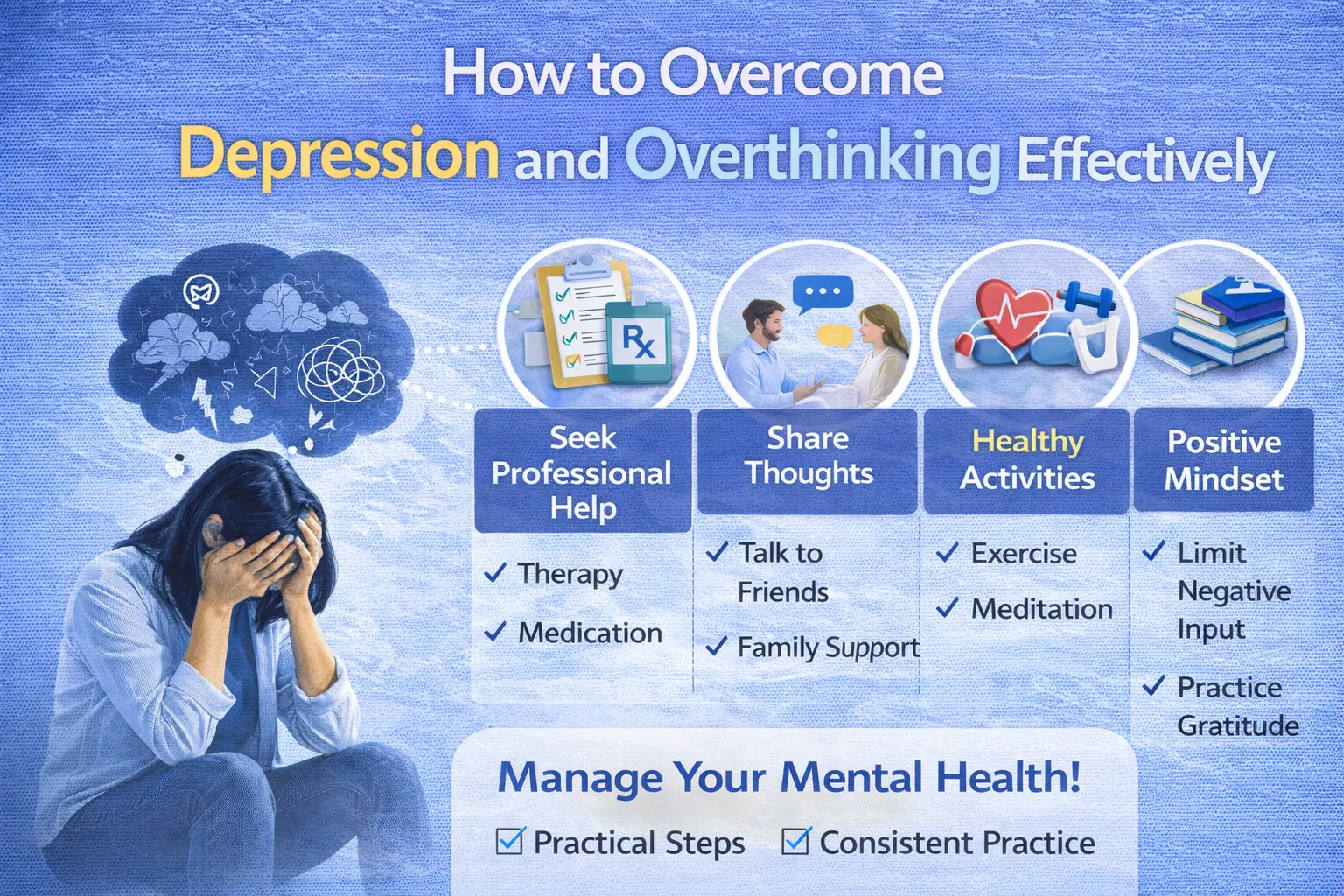
Anxiety is one of the most common mental health conditions in the world, affecting millions of people across all ages and backgrounds. While occasional worry is part of life, chronic anxiety can interfere with work, relationships, and overall well-being. Fortunately, modern psychology and medicine offer practical, proven methods to manage it. Understanding Anxiety Treatment services helps individuals explore scientifically supported approaches that not only reduce symptoms but also promote long-term emotional stability. This article takes an in-depth look at evidence-based treatments that have consistently shown success in helping people reclaim balance and confidence.
Understanding Evidence-Based Anxiety Treatment
“Evidence-based” refers to therapies and interventions that have been rigorously studied and proven effective through research and clinical trials. These approaches rely on measurable results, not trends or opinions. For anxiety, this means treatments that target both the mind and body, focusing on behavior patterns, brain chemistry, and lifestyle factors that influence stress responses.
Using evidence-based methods ensures that people receive care supported by data—not guesswork. It also allows clinicians to tailor treatment to each person’s unique symptoms, experiences, and goals.
The Importance of Professional Evaluation
Before beginning treatment, a mental health professional conducts a detailed evaluation to understand the type and severity of anxiety. Common types include generalized anxiety disorder (GAD), panic disorder, social anxiety disorder, and specific phobias. Each requires a slightly different approach, which is why an accurate diagnosis is essential.
A professional assessment helps determine whether symptoms are primarily cognitive, behavioral, or physical. It can also reveal co-occurring conditions such as depression, obsessive-compulsive tendencies, or trauma-related disorders that may influence treatment planning.
Cognitive Behavioral Therapy (CBT): The Gold Standard
How CBT Works
Cognitive Behavioral Therapy (CBT) remains one of the most well-researched and effective treatments for anxiety. It focuses on identifying negative thought patterns that fuel fear and replacing them with more realistic, balanced thinking. CBT also teaches individuals to recognize the link between thoughts, emotions, and behaviors helping them interrupt cycles of worry before they spiral.
Practical Techniques Used in CBT
Cognitive restructuring: Challenges irrational beliefs and replaces them with fact-based perspectives.
Exposure techniques: Gradually confronts feared situations to reduce avoidance and desensitize anxiety responses.
Behavioral experiments: Encourages trying new coping behaviors to test assumptions about danger or failure.
Over time, CBT helps retrain the brain to interpret stressors more calmly and respond with confidence rather than panic.
Exposure Therapy: Confronting Fear Safely
Exposure therapy is another evidence-based technique used for treating anxiety disorders, particularly phobias, panic attacks, and obsessive-compulsive behaviors. The goal is to reduce fear through controlled exposure to anxiety triggers.
Therapists guide clients through situations that provoke discomfort, gradually increasing exposure until the fear response diminishes. For example, someone afraid of flying might start by visualizing an airport, then watching flight videos, and eventually taking a short flight. With professional guidance, this process helps rewire the brain’s response to perceived threats.
Acceptance and Commitment Therapy (ACT): Embracing Emotional Flexibility
Acceptance and Commitment Therapy (ACT) encourages individuals to accept anxious thoughts and feelings instead of trying to eliminate them. Through mindfulness and self-compassion, ACT helps people focus on actions aligned with their core values rather than their fears.
This approach teaches that anxiety is a normal part of the human experience—but it doesn’t have to control behavior. ACT combines evidence-based mindfulness practices with cognitive strategies, making it a powerful tool for long-term anxiety management.
Medication as Part of Evidence-Based Care
In many cases, therapy alone is highly effective. However, when anxiety symptoms are severe or chronic, medication may be used alongside counseling to restore balance. Psychiatric medications help regulate neurotransmitters like serotonin and dopamine, which influence mood and stress levels.
Common medication options include:
SSRIs (Selective Serotonin Reuptake Inhibitors): Such as sertraline or fluoxetine, which improve mood stability and reduce anxiety over time.
SNRIs (Serotonin-Norepinephrine Reuptake Inhibitors): Like venlafaxine, which target two neurotransmitters for broader symptom relief.
Benzodiazepines: Used short-term for acute anxiety episodes but monitored closely due to dependency risks.
Buspirone: A non-sedative option for ongoing anxiety management.
A psychiatrist or primary care provider determines the right medication based on an individual’s medical history and treatment response.
Mindfulness and Relaxation Techniques
While therapy and medication target the root causes of anxiety, lifestyle and mindfulness practices help maintain emotional balance. Techniques like meditation, deep breathing, and progressive muscle relaxation activate the body’s natural relaxation response, reducing physical symptoms of anxiety such as tension and rapid heartbeat.
Mindfulness-based programs, including Mindfulness-Based Stress Reduction (MBSR), have been shown in numerous studies to lower anxiety, improve focus, and increase emotional resilience. These tools work best when practiced consistently alongside professional treatment.
The Role of Physical Health in Anxiety Management
Evidence-based care recognizes the strong connection between physical and mental health. Regular exercise, balanced nutrition, and adequate sleep are critical in managing anxiety. Exercise, in particular, boosts endorphin levels, improving mood and reducing the body’s stress response.
Limiting caffeine, alcohol, and processed foods also helps minimize anxiety triggers. Small lifestyle adjustments—like maintaining a sleep routine or spending time outdoors can significantly enhance overall treatment outcomes.
Integrating Coexisting Mental Health Conditions
Anxiety often overlaps with other mental health conditions, such as depression or mood disorders. For example, individuals living with bipolar disorder may experience heightened anxiety during manic or depressive episodes. Understanding how these conditions interact allows professionals to provide integrated treatment plans that target both.
Those seeking a Guide to Bipolar Disorder Treatment may find that addressing anxiety within a broader therapeutic framework leads to more consistent emotional regulation. Treating co-occurring conditions together ensures that all aspects of mental health are addressed cohesively.
The Value of Support Systems in Anxiety Recovery
Social support plays a significant role in managing anxiety. Professional therapy is more effective when individuals also have encouragement from friends, family, or peer groups. Group therapy sessions and community-based support programs allow people to share experiences, reduce isolation, and learn from others facing similar challenges.
Research shows that strong social connections help buffer the effects of stress, reinforcing the coping skills learned in therapy.
The Role of Telehealth and Accessibility
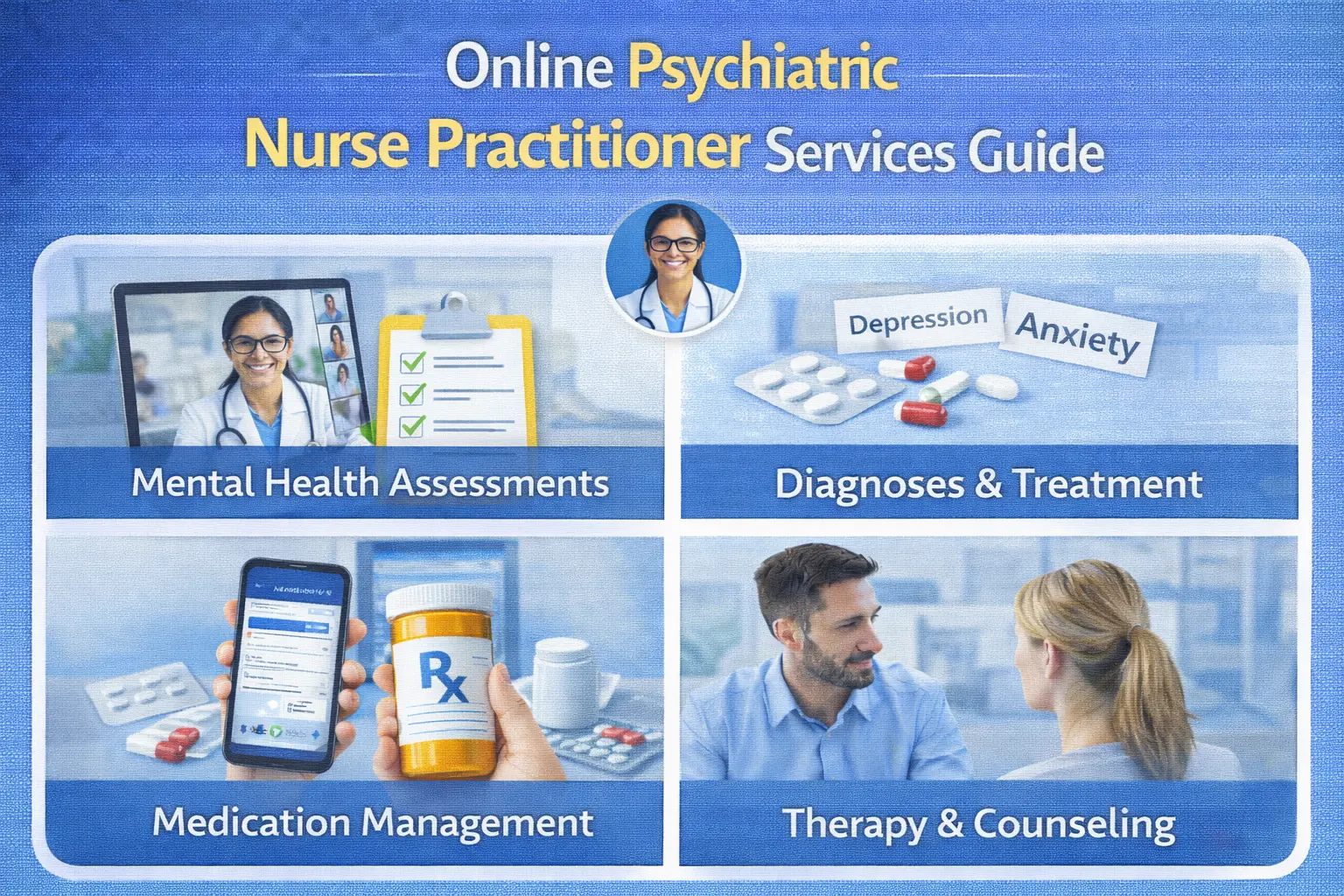
In today’s digital world, telehealth has revolutionized access to anxiety treatment. Online therapy allows individuals to connect with licensed professionals from the comfort of home, making mental health care more accessible to those in rural areas or with busy schedules.
Teletherapy platforms follow the same evidence-based principles as in-person care, offering CBT, ACT, and medication management through secure digital sessions. Many patients find this approach less intimidating, increasing their willingness to seek and maintain treatment.
Tracking Progress and Maintaining Results
Effective anxiety management is an ongoing process. Professionals use tools like progress tracking, symptom check-ins, and patient feedback to measure improvement over time. These methods ensure treatment remains adaptive to the individual’s evolving needs.
Long-term success often involves continued therapy, periodic evaluations, and lifestyle maintenance. By integrating learned coping skills into daily routines, individuals can sustain their progress and prevent relapse.
The Future of Evidence-Based Anxiety Treatment
As research advances, new forms of therapy and technology continue to enhance how anxiety is treated. Innovations like virtual reality exposure therapy and digital cognitive training programs are expanding the ways clinicians help patients confront fears and build resilience.
Moreover, the increasing focus on whole-person care considering both mental and physical health marks an important step forward in modern psychology.
Final Thoughts
Exploring evidence-based approaches to anxiety treatment reveals that recovery isn’t just possible it’s achievable with the right combination of professional support, therapy, and self-care. Each method, from CBT to mindfulness, contributes to lasting emotional stability when applied consistently. If you’re considering getting help, Serenity Telehealth offers accessible, professional care tailored to your unique needs. Their evidence-based approach empowers individuals to manage anxiety effectively and regain control of their lives with confidence and compassion.