Introduction
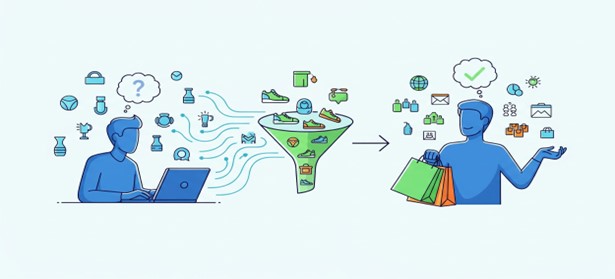
If marketing were a party, personalization would be the host who remembers everyone’s favorite drink. It’s that uncanny ability to make people feel seen—and that’s exactly what makes it so powerful. Brands that once shouted into the void are now whispering directly into the ears of their ideal customers.
And here’s the kicker: personalization isn’t a shiny new trend. It’s quickly becoming the rulebook for how digital businesses thrive. According to McKinsey & Company, companies that personalize their customer interactions generate 40% more revenue than those that don’t. That’s not a marketing myth—it’s cold, hard data.
The Marketing Shift: From One-Size-Fits-All to “This Is Just for You”
For years, marketing felt like handing out the same flyer to a crowd of strangers. Now, it’s more like curating an experience tailored for each person in the room. Consumers have grown immune to generic blasts—they crave messages that get them.
- 79% of consumers say they’re more likely to engage with offers that are personalized to their previous interactions (Epsilon).
- 83% of shoppers are willing to share personal data in exchange for a more personalized experience (Accenture).
- 91% of marketers see measurable lift in conversions when they use personalization (Evergage).
Brands like Netflix, Spotify, and Amazon have mastered this dance—recommending shows, playlists, and products that feel tailor-made. And that’s exactly why people stick around.
Personalization Tactics That Actually Work
Personalization isn’t just about slapping someone’s first name on an email. It’s about creating dynamic experiences that respond to user behavior. Here are some of the most effective methods brands are using:
- Behavioral triggers: Showing offers based on past browsing or abandoned carts.
- Location-based targeting: Delivering messages that match where your visitor is.
- Dynamic content blocks: Adjusting page content depending on the visitor’s intent.
- Retargeting: Serving ads that follow users in a smart, non-creepy way.
When these tactics are paired with onsite engagement tools like smart popups, the results can be surprisingly powerful. Imagine a visitor scrolling through a blog about running shoes and getting a limited-time 10% discount popup just before exiting—that’s not pushy; that’s smart timing.
Why Onsite Engagement Tools Are Game-Changers
Popups have had a bad reputation for years, mostly because of the clunky, screaming-box kind from the early 2000s. But modern popups? They’re smooth, contextual, and data-driven.
Well-designed onsite engagement tools do three things exceptionally well:
- Capture attention without being intrusive.
- Guide users to take specific actions (like signing up or buying).
- Boost website conversions by nudging visitors at the perfect moment.
For example:
- Allbirds uses soft-entry popups that offer early access to new product drops.
- Glossier runs personalized signup modals based on browsing patterns.
- H&M uses exit-intent popups to save abandoned carts with special discounts.
This kind of subtle personalization can mean the difference between a bounce and a conversion.
Best Practices for Personalization That Converts
Not every popup or personalized message will work like magic. Here are smart ways to make them effective without turning your site into a carnival:
- Lead with data, not guesses – Track behavior patterns first.
- Timing is everything – Don’t bombard users the moment they land. Wait for meaningful engagement.
- Keep it simple – Overly complex messages create friction, not conversions.
- Respect privacy – Personalization should feel helpful, not invasive.
- Test, tweak, repeat – A/B testing is your best friend here.
Pro tip: Context matters. A 10-second delay popup during browsing may outperform an instant one by up to 60% in engagement rates, based on OptiMonk research.
Real-World Impact: Personalization in Action
A global study by Segment found that:
- 44% of consumers say they’re likely to become repeat buyers after a personalized shopping experience.
- 49% of brands saw an improvement in customer retention after implementing personalization.
- Personalized CTAs convert 202% better than default ones.
These numbers aren’t flukes—they’re proof that personalization transforms casual browsers into paying customers. And with the right onsite engagement tools (like popups that match user behavior), conversions don’t just increase—they compound over time.
Conclusion: Personalization Isn’t Optional Anymore
Personalization isn’t a sprinkle-on-top strategy anymore—it’s the backbone of modern marketing. It’s what makes a visitor feel like they’re having a one-on-one conversation with your brand instead of standing in a crowded room.
By weaving in onsite engagement tools like smart popups, businesses can boost website conversions without sounding salesy or robotic. The brands that lean into this shift aren’t just growing—they’re building loyal, repeat audiences.
Quick Recap:
- Personalization drives trust and higher revenue.
- Popups, when done right, enhance—not disrupt—the customer experience.
- Onsite engagement tools help guide users through their journey in real time.