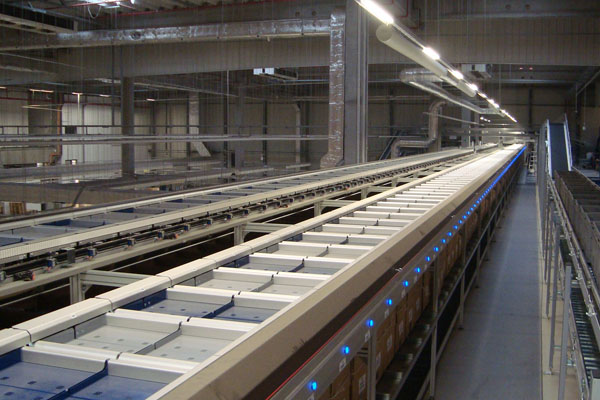


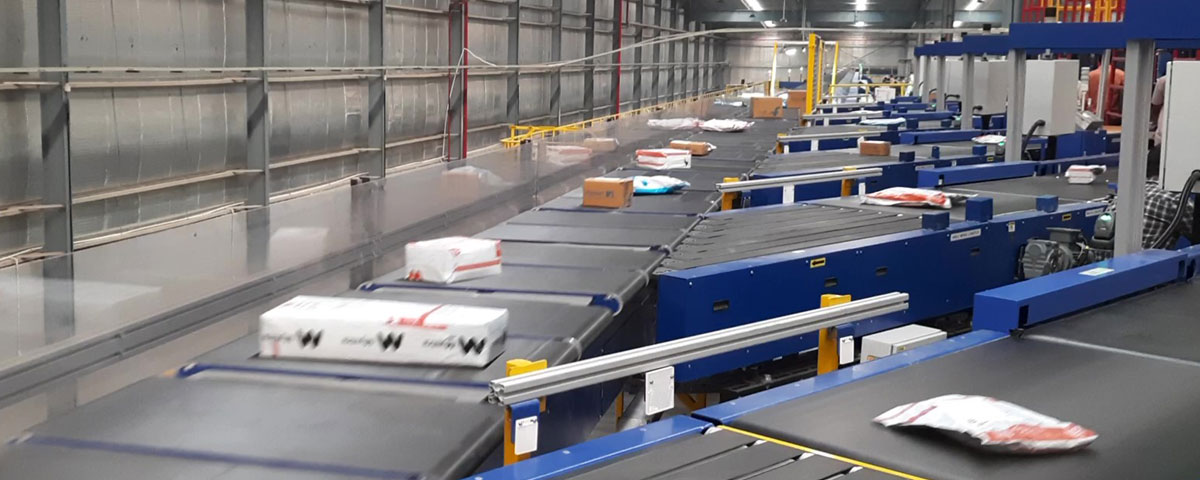
In today’s fast-paced distribution and manufacturing sectors, efficiency and precision are crucial. Warehouse conveyor systems have become essential tools for streamlining the movement of goods within storage facilities. From reducing manual labor to optimizing space and improving order accuracy, these systems play a vital role in modern logistics.
The Evolution of Conveyor Solutions
Warehouse conveyor systems have evolved significantly over the decades. Once limited to simple belt conveyors, today’s solutions include sophisticated conveyor roller systems, automated sorting lines, and modular designs that adapt to changing operational needs.
Many warehouses now integrate conveyors with inventory management software to track products in real time. This integration helps ensure each item is correctly routed, reducing the chance of error and improving overall productivity.
Types of Conveyor Roller Systems
There are several types of conveyor roller systems commonly found in warehouses:
Gravity Roller Conveyors: These rely on gravity to move products. They are ideal for lightweight packages and work well for manual loading and unloading zones.
Powered Roller Conveyors: These use motors to drive rollers, offering controlled movement and speed. They suit heavier loads and automated systems.
Flexible Roller Conveyors: Designed for versatility, these conveyors can expand, contract, or curve to fit tight spaces or adapt to seasonal demands.
Each type serves a unique purpose, and many facilities combine multiple conveyor systems to address different parts of their workflow.
How Conveyors Enhance Efficiency
Implementing a conveyor system brings several measurable benefits to warehouse operations:
Reduced Manual Handling: Minimizing the need for workers to lift and carry items lowers the risk of injuries and fatigue.
Consistent Product Flow: Conveyors provide a steady, predictable movement of goods, helping maintain deadlines and smooth operations.
Improved Accuracy: With clearly defined routes and automated tracking, the chances of misplacing items decline.
Space Optimization: Vertical conveyors and overhead systems can free up valuable floor space for other processes or storage.
A logistics manager at a regional distribution center shared this perspective:
“Since installing a combination of powered and gravity roller conveyors, we’ve seen a 25% reduction in loading times and far fewer picking errors.”
Integrating Automation and Smart Features
As technology advances, many conveyor roller systems now incorporate sensors, barcode readers, and programmable logic controls. These smart features enable systems to detect package weight, size, and destination automatically.
For example, automated diverters can sort packages onto designated lines based on scanned information. This capability reduces reliance on manual scanning or sorting and speeds up the fulfillment process.
A warehouse supervisor described the benefits of automation:
“Our conveyor systems have become the backbone of our operation. The automated sortation not only improves speed but also supports our quality control processes.”
Factors to Consider Before Implementation
Not every conveyor solution fits every warehouse. Before selecting a system, it’s important to evaluate:
Load Requirements: Understand the size, weight, and variety of items you need to transport.
Available Space: Assess ceiling heights, floor layout, and the potential for vertical expansion.
Integration Needs: Determine how the conveyor will connect with existing software and equipment.
Scalability: Consider whether the system can grow with your operation or adapt to future needs.
Consulting with engineers and system integrators can help clarify which configurations are the best fit.
Sustainability and Energy Efficiency
Modern warehouse conveyor systems increasingly prioritize energy efficiency and sustainability. Low-friction rollers, regenerative drives, and intelligent controls reduce electricity consumption and maintenance needs.
Facilities striving to lower their carbon footprint often invest in systems with eco-friendly designs that support sustainability goals without sacrificing performance.
Challenges and Maintenance Considerations
Even with advanced designs, conveyors require consistent maintenance to perform reliably. Common challenges include:
Debris buildup on rollers or belts
Misaligned sensors
Worn components due to continuous operation
Establishing a regular inspection schedule and training staff to identify early signs of wear can prevent unplanned downtime. Many facilities keep spare parts on hand to reduce the impact of any disruptions.
Real-World Experiences
Operators across different industries have shared positive feedback on the role of conveyors in daily operations. For example, a supply chain coordinator noted:
“We implemented a flexible conveyor roller system to handle seasonal peaks. It’s been a game changer in terms of adjusting capacity without major structural changes.”
Another facility manager shared:
“Our powered roller conveyors integrate with our warehouse management software, so we can track everything in real time. This visibility has improved our planning and reduced errors significantly.”
These experiences underline the value of carefully designed conveyor solutions tailored to unique operational requirements.
Looking Ahead
As warehouses continue to embrace automation and digital transformation, conveyor systems will remain at the heart of material handling strategies. Ongoing innovations in smart sensors, energy-efficient motors, and modular designs are likely to expand the capabilities of conveyor roller systems further.
Investing in modern conveyors can help facilities achieve long-term improvements in efficiency, safety, and customer satisfaction.