


Low Voltage (LV) capacitor banks are a crucial component in industrial electrical systems, primarily used for power factor correction, voltage stabilization, and improving overall system efficiency. In industrial facilities, where large electric motors, heavy machinery, and non-linear loads are common, the demand for reactive power can lead to poor power factor, resulting in higher electricity costs, increased losses, and unnecessary stress on electrical components. LV capacitor banks help address these issues by supplying the required reactive power locally, thus reducing the reactive load on the utility network. Understanding their design, selection, and operational considerations is essential for engineers, electricians, and facility managers aiming to optimize industrial power systems.
What Are LV Capacitor Banks?
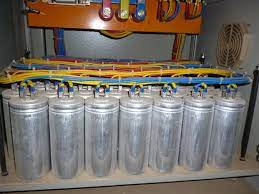
LV capacitor banks are assemblies of individual capacitors connected in series or parallel, designed to operate at low voltage levels, typically up to 1 kV. Unlike single capacitors, capacitor banks can provide the desired reactive power in larger capacities, making them suitable for industrial applications. These banks are classified into fixed or automatic types. Fixed capacitor banks have a constant capacitance value and remain energized at all times, whereas automatic capacitor banks use switching devices to adjust reactive power compensation based on real-time load conditions. Their main function is to improve power factor, which reduces energy losses, stabilizes voltage levels, and prolongs the life of electrical equipment.
Importance of LV Capacitor Banks in Industry
Industrial operations often involve equipment such as induction motors, welders, furnaces, and large air compressors, which are inductive in nature. Inductive loads consume reactive power, leading to a lower power factor and higher electricity bills due to penalties imposed by utilities. LV capacitor banks provide the necessary reactive power locally, compensating for inductive loads and improving the power factor. This not only helps reduce energy costs but also decreases the current flowing through distribution systems, minimizing losses and preventing overheating of cables, transformers, and switchgear. Additionally, they help maintain voltage levels during peak load conditions, ensuring stable operation of sensitive machinery.
Types of LV Capacitor Banks
LV capacitor banks are categorized based on their configuration, control mechanism, and application. The two primary types are:
Fixed Capacitor Banks: These banks have a fixed capacitance rating and are always connected to the network. They are simple in design, cost-effective, and suitable for loads with consistent reactive power demand. However, they can lead to overcompensation if the load varies significantly, which may cause resonance or voltage instability.
Automatic Capacitor Banks: These banks include a control system that monitors the power factor and switches capacitor steps in or out to maintain optimal compensation. Automatic banks are ideal for industrial facilities with fluctuating loads, ensuring efficient reactive power management without manual intervention. Some advanced systems also offer features like harmonics filtering and remote monitoring.
Additional classifications include single-phase and three-phase capacitor banks, which depend on the nature of the industrial supply network, and harmonic-filtered capacitor banks, which are used in environments with high levels of harmonic distortion caused by non-linear loads.
Key Components of LV Capacitor Banks
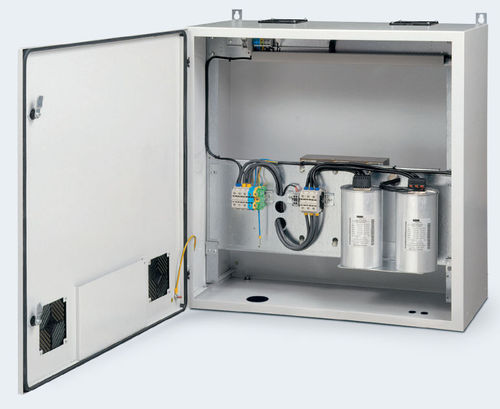
An LV capacitor bank consists of several essential components that ensure safe and efficient operation:
Capacitor Units: These are the core elements that store and release reactive energy. Capacitors used in industrial LV banks are typically metalized polypropylene film types, known for their high reliability, low losses, and long service life.
Fuses and Protection Devices: These safeguard capacitors against overcurrent, short circuits, and voltage surges. Proper protection ensures that a failure in one unit does not damage the entire bank.
Disconnection and Switching Devices: Circuit breakers or contactors are used to switch the capacitor bank on or off, either manually or automatically based on load conditions.
Control System: In automatic banks, a control panel monitors voltage, current, and power factor to regulate the switching of capacitor steps, ensuring optimal compensation at all times.
How to Select an LV Capacitor Bank
Selecting the right LV capacitor bank for an industrial facility requires careful consideration of several factors:
Load Analysis: Understanding the reactive power demand of the facility is critical. Load surveys and measurements of existing power factor help determine the total kvar rating needed.
Voltage Rating: The capacitor bank must match the supply voltage of the industrial system. Using a capacitor rated for a higher voltage than the system can prevent premature failures.
Type of Load: Continuous inductive loads may be suitable for fixed banks, while varying loads benefit from automatic banks. Harmonic-producing equipment like variable frequency drives may require harmonic-filtered banks.
Location and Environmental Conditions: Capacitors are sensitive to temperature and humidity. Outdoor installations or high-temperature environments require appropriate enclosures and cooling considerations.
Safety and Standards Compliance: Ensure the capacitor bank meets national and international standards such as IEC or IEEE, including protections against overvoltage, short circuits, and harmonics.
Installation and Safety Considerations
Proper installation of LV capacitor banks is essential to maximize performance and longevity while ensuring safety for personnel. Key considerations include:
Correct Earthing: Proper grounding prevents electrical shocks and reduces the risk of overvoltage due to transients.
Adequate Ventilation: Capacitors generate heat during operation. Sufficient ventilation or forced cooling prevents overheating and prolongs capacitor life.
Switching Coordination: For automatic banks, ensure that contactors, circuit breakers, and control systems are coordinated to prevent excessive switching or resonance issues.
Periodic Maintenance: Regular inspections for signs of overheating, capacitor bulging, or failed fuses help maintain reliable operation. Cleaning dust and debris from enclosures and checking connection tightness also prevents faults.
Advantages of Using LV Capacitor Banks
Implementing LV capacitor banks in industrial settings offers multiple advantages:
Improved Power Factor: Correcting the power factor reduces penalties from utilities and optimizes energy usage.
Reduced Energy Losses: By supplying reactive power locally, the current flowing through transformers and cables decreases, reducing I²R losses.
Enhanced Voltage Stability: Voltage dips are minimized, ensuring consistent operation of sensitive machinery.
Extended Equipment Life: Reduced current stress on motors, transformers, and switchgear prolongs the lifespan of critical industrial equipment.
Cost Savings: Lower energy losses, reduced electricity bills, and decreased maintenance expenses result in significant long-term savings.
To Sum Up
LV capacitor banks are indispensable in modern industrial electrical systems, playing a vital role in power factor correction, energy efficiency, and voltage stability. Proper understanding of their types, selection criteria, installation practices, and maintenance requirements ensures reliable performance and long-term benefits. Industrial facilities that implement LV capacitor banks effectively can reduce energy losses, improve equipment lifespan, and achieve significant cost savings while maintaining operational reliability. Knowledge of these systems empowers engineers, electricians, and facility managers to make informed decisions and optimize industrial electrical networks for maximum efficiency and safety.
If you are an industrial owner looking to enhance your facility’s electrical efficiency and searching for high-quality LV capacitor banks, Usha Power offers a comprehensive range of solutions designed specifically for industrial applications. Our LV capacitor banks are engineered to provide optimal reactive power compensation, improve voltage stability, and reduce energy losses across your electrical network. We guide you through the selection process, ensuring the right capacity and configuration to meet your load requirements and operational demands. With Usha Power, you gain access to robust, reliable, and long-lasting capacitor banks that are easy to install and maintain. Our team works closely with your engineers and facility managers, providing expert support and technical guidance to achieve the best results for your facility. By choosing Usha Power, you invest in a solution that not only improves power factor and efficiency but also protects your equipment, reduces operating costs, and ensures your industrial operations run smoothly and reliably for years to come.
The Capacitor Bank market research report provides the latest industry data, growth, key segments and future trends on the basis of the detailed study.
This market report also allows you to identify the future opportunity and growth rate of the leading segment based on regions and countries.The research report also covers the comprehensive profiles of the key players in the market and an in-depth view of the competitive landscape worldwide.
The major players in the capacitor bank market include Toshiba, ABB, Eaton, Siemens, Schneider Electric, Powercap capacitors, Alstom SA, Epcos AG, CIRCUTOR.S.
This section includes a holistic view of the competitive landscape that includes various strategic developments such as key mergers & acquisitions, future capacities, partnerships, financial overviews, collaborations, new product developments, new product launches, and other developments.Get more information on "Global Capacitor Bank Market Research Report" by requesting FREE Sample Copy at https://www.valuemarketresearch.com/contact/capacitor-bank-market/download-sampleMarket DynamicsGrowing demand for energy is the primary factor drive growth of the market.
To meet this demand, power must be stored electrically for easy access.
Growing investments in the energy sector, especially in developing countries, is fuelling the global capacitor bank market's growth.