

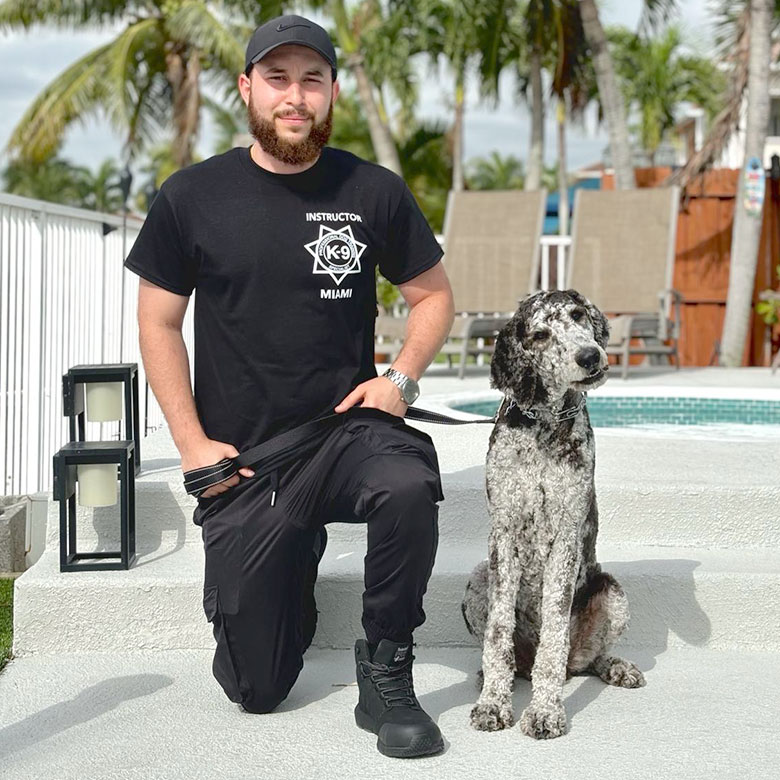
When you walk a well-trained dog through the streets of Ludhiana, Delhi, or anywhere in Punjab, people notice. A dog obeying commands with ease reflects the care and effort you've invested. As a K9 dog training enthusiast or pet parent, you want your dog to be safe, dependable, and well-mannered. That's why “Essential Commands Every Dog Should Know (and When to Teach Them)” is so important.
In this post, we'll explore the must‑know commands, appropriate timing or age to teach them, and tips from professional dog training. We'll also sprinkle in region‑specific examples (Punjab, North India) to make it locally relevant.
Why K9 Dog Training Matters
Before jumping into commands, it helps to understand why K9 dog training—especially following professional dog training methods—is crucial:
Safety: Commands like “stay” or “come” can prevent accidents, whether in Ludhiana's busy streets or rural roads in Punjab.
Communication: Dogs feel secure when they clearly understand what you expect.
Bonding: Training sessions build trust between you and your dog.
Social behavior: Public outings, parks in Chandigarh or Jalandhar—well-trained dogs behave well in social settings.
Professional dog training isn't a luxury—it's a foundation for responsible pet ownership.
1. Sit
Begin when your puppy is around 8 weeks old. Use a treat, show it above the head, say “sit,” and reward instantly when they sit. Practice for just a few minutes, a few times a day.
2. Down / Lie Down
Once “sit” is reliable, ask your dog to lie down. Use a treat in your hand, lower it to the floor in front of the dog, and say “down.” It's easier when your dog already understands “sit.”
3. Stay / Wait
After your dog masters “sit” and “down,” you can introduce “stay.” Start with short durations—2 seconds—and gradually increase. Put distance between you and your dog slowly. Always release with “okay.”
4. Come / Recall
Recall is one of the most practical and important commands. Call your dog's name first, then “come.” Reward heavily when they obey. Begin indoors or in a fenced space, then increase distractions (e.g. busy neighborhood street in Ludhiana).
5. Leave It / Drop
This command can save your dog's life. When your puppy shows interest in something (especially on walks in Punjab roadsides), hold a treat in closed fists and say “leave it.” Reward when they look away. Later, teach “drop” to release an object they already have.
6. Heel / Walk On Lead
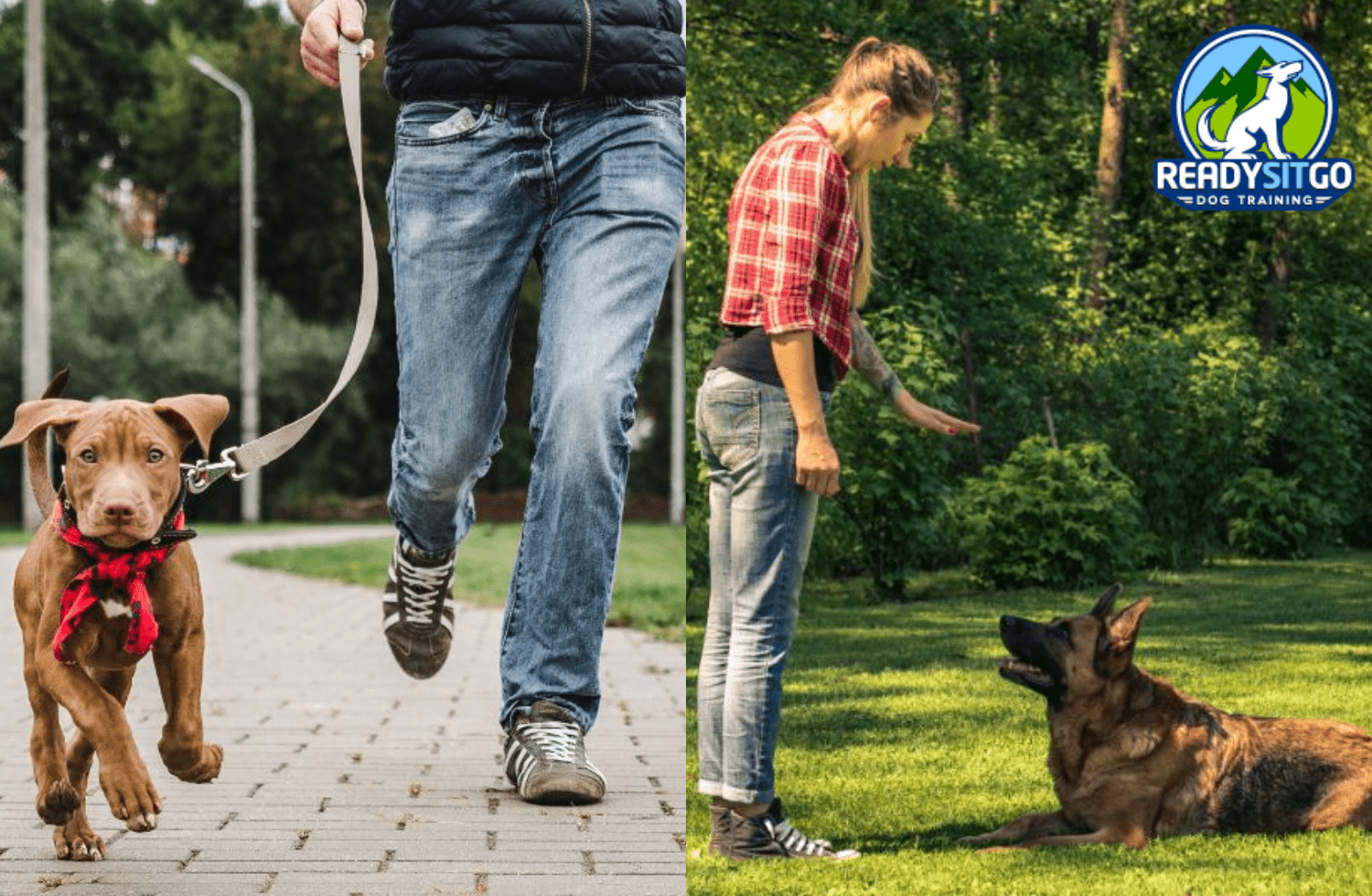
In Punjab's bustling markets or narrow lanes, leash manners are essential. Start with short, calm walking sessions. Use a treat at your side and say “heel” or “let's go.” Reward when your dog walks beside you without pulling.
7. Go to Place / Bed
You can teach your dog to go to a designated bed or mat and remain there. This is helpful when guests arrive or you want your dog to relax during family meals—especially with joint families in Indian homes.
8. Off (No Jumping)
When a dog jumps on people in greeting, gently push them back, stand still, and say “off.” Only reward when all paws are on the ground. Be consistent.
Tips from Professional Dog Training Experts
Here are best practices to make your training effective, humane, and long-lasting:
A. Keep sessions short and fun
Five to ten minutes per session, two to three times daily, works best. Puppies have short attention spans.
B. Use high-value rewards
In Punjab, local items like small pieces of cooked chicken or paneer may work better than commercial treats. Use what your dog loves.
C. Fade treats to praise
Over time, transition from treats to verbal praise or petting. This builds durability in commands.
D. Use real-life distractions
After commands work in quiet rooms, practice in your garden, streets of Ludhiana, or a local dog park in India. Increase difficulty gradually.
E. Be consistent
If one person allows jumping and another doesn't, training fails. All family members must follow the same rules.
F. Avoid punishment
Positive reinforcement works far better than scolding. Yelling or harsh corrections can harm trust.
G. Review regularly
Even with adult dogs, revisit commands. Keep the skills sharp.
Region‑Specific Examples (Why Local Matters)
Traffic in Ludhiana: When teaching “stay,” simulate the noise of motorcycles and trucks so your dog doesn't bolt during walks.
Monsoon season in Punjab: Waterlogged roads and muddy paths may distract your dog. Practice “come” and “leave it” near puddles.
Agricultural areas: Your dog may see birds, cattle, or other animals. Use early “leave it” training when walking near farmlands.
Urban flats in Delhi/NCR: Many dogs live indoors with neighbors close by. Use “go to place” so your dog doesn't disturb guests or neighbors in compact living spaces.
Using local context helps your dog generalize the command to varied environments.
Mistakes to Avoid
Skipping early commands and trying complex ones too soon
Overworking your puppy
Using the same tone or pace (vary your style)
Rewarding unwanted behavior by accident
Forgetting to practice in real-world settings
Avoid these, and your training will be smoother.
Tracking Progress & Adjusting
You can track your dog's development:
Keep a simple journal (on your phone) of commands introduced and success rate.
Use a growth chart: e.g. by 14 weeks, your pup should know sit, down, stay.
Adjust pace. Some dogs learn fast; others take time.
If you hit a plateau, revisit easier commands before pushing ahead.
Why Investing in Professional Dog Training Helps
Even with strong desire and consistency, it's easy to miss subtle flaws or bad habits. That's where professional dog training steps in:
Trainers spot nuance you may overlook
They offer structured plans tailored to your dog's temperament
They help in socialization with other dogs (especially in dog parks in Punjab)
They guide on behavior issues (e.g. leash aggression, fear)
Combining your home efforts with occasional professional sessions gives you the best results.
Final Thoughts & Next Steps
Training a dog is more than obedience—it's teaching trust, communication, and respect. The eight core commands listed serve as the foundation for safe, happy, and harmonious life together.
Start early, stay consistent, and use positive, fun methods. Tailor practice to your local surroundings—whether it's the busy streets of Ludhiana or the calm lanes of a farmhouse in Punjab.
If you're in Ludhiana or anywhere in Punjab, consider booking a consultation with a local K9 dog training expert or enrolling in classes using professional dog training methods. It can accelerate your dog's learning and deepen your bond.
Ready to give your dog the best guide in life? Reach out today to schedule your first training session—or drop me a message, and I'll point you to reliable trainers in your city. Your dog's better future begins now!