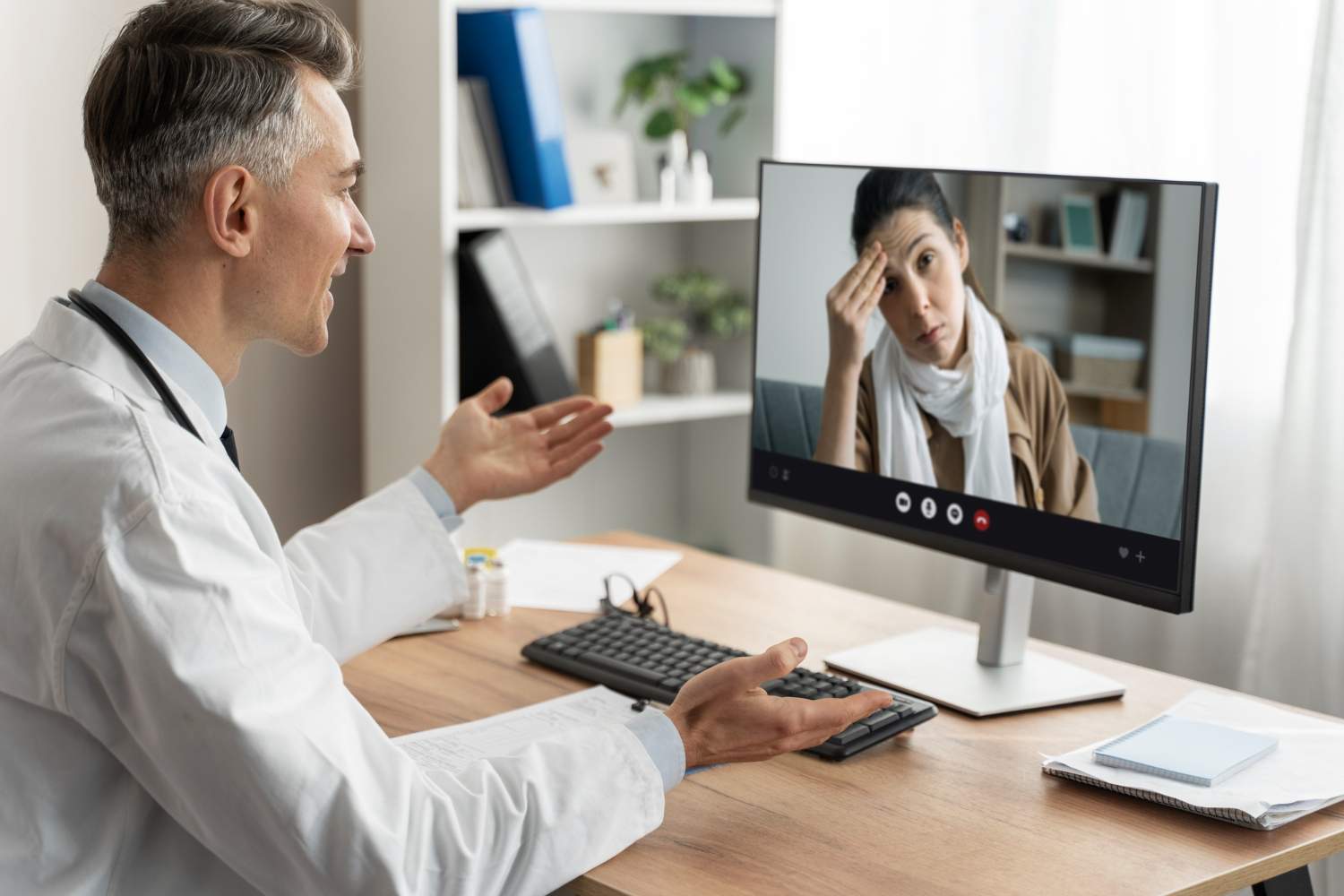
Living with panic disorder can feel like an uphill battle. The sudden rush of fear, pounding heart, and sense of losing control can make even simple tasks overwhelming. For many New Yorkers, daily stress only adds to the struggle. But with advancements in telehealth, more people are finding relief through remote care. The growing question is: Is Online Therapy for Panic Disorder in NY truly effective, or is it just a convenient alternative?
This article explores how online therapy compares to traditional in-person treatment, its effectiveness for panic disorder, and what you can expect when starting therapy online. Whether you’re new to virtual mental health care or considering switching from in-person sessions, understanding its impact can help you make an informed decision.
Understanding Panic Disorder and Its Challenges
Panic disorder is more than occasional anxiety—it involves repeated panic attacks and a constant fear of when the next one might strike. These attacks can cause symptoms like dizziness, shortness of breath, chest tightness, and overwhelming dread. Over time, many individuals begin to avoid certain places or situations, leading to isolation and increased anxiety.
In a fast-paced environment like New York, these symptoms can easily interfere with daily life. Long commutes, crowded spaces, and demanding schedules can heighten stress levels, making consistent therapy challenging to maintain. That’s one reason online therapy has become such an appealing option—it offers flexibility and accessibility without sacrificing quality.
What Is Online Therapy for Panic Disorder?
Online therapy uses secure video calls, chat, or phone sessions to connect clients with licensed therapists. It mirrors the structure of traditional therapy but allows you to participate from anywhere—your home, office, or even on a lunch break.
Therapists use evidence-based approaches like cognitive-behavioural therapy (CBT), exposure therapy, or mindfulness-based stress reduction to address the root causes of panic. These techniques help you identify thought patterns, understand triggers, and develop coping skills to manage panic symptoms effectively.
Many online therapy platforms now specialize in anxiety and panic-related conditions, providing a safe and supportive environment for clients who may find in-person visits intimidating or inconvenient.
How Effective Is Online Therapy Compared to In-Person Care?
Numerous studies have found that online therapy can be just as effective as in-person sessions for treating anxiety and panic disorders. In fact, many clients report feeling more comfortable and open when meeting from their personal space, which can improve therapeutic outcomes.
1. Accessibility and Consistency
For many New Yorkers, balancing work, family, and personal responsibilities can make attending in-person sessions difficult. Online therapy eliminates travel time and logistical stress, allowing for more consistent attendance—one of the most important factors for long-term success.
2. Comfort and Emotional Safety
Some individuals with panic disorder feel anxious about commuting or meeting face-to-face, especially in unfamiliar environments. Virtual sessions remove these barriers, helping them feel more relaxed and willing to engage.
3. Customization and Flexibility
Therapists can tailor online sessions to meet your specific needs. Whether you prefer structured weekly meetings or flexible scheduling, telehealth platforms make it easier to maintain continuity in treatment.
Research also indicates that online CBT—the gold standard for panic disorder—produces comparable outcomes to in-person therapy. Clients often learn coping techniques that can be practiced immediately in their daily environments, reinforcing progress between sessions.
Techniques Used in Online Therapy for Panic Disorder
Online therapy employs many of the same clinically proven methods as in-person treatment. Some of the most effective include:
Cognitive-Behavioural Therapy (CBT)
CBT focuses on identifying and changing negative thought patterns that trigger panic attacks. Therapists help clients reframe anxious thinking and replace it with more balanced, realistic perspectives.
Exposure Therapy
Exposure therapy helps reduce fear by gradually introducing situations that trigger panic in a safe, controlled manner. Online therapists can guide clients through virtual or real-world exposure exercises while providing reassurance and strategies to manage discomfort.
Mindfulness and Relaxation Techniques
Many therapists integrate mindfulness practices such as deep breathing, meditation, and body awareness. These exercises help regulate the nervous system and reduce the intensity of panic attacks.
Psychoeducation and Lifestyle Coaching
Online sessions also focus on educating clients about the physiological and psychological aspects of panic disorder. Understanding what’s happening in your body during a panic attack can significantly reduce fear and confusion.
The Growing Acceptance of Online Therapy in New York
In New York, online therapy has become an essential component of mental health care. After the COVID-19 pandemic accelerated telehealth adoption, both patients and professionals realized that remote therapy offers lasting benefits.
Many insurance providers now cover online therapy, making it more accessible than ever. The New York State Office of Mental Health also supports telepsychiatry initiatives, ensuring that residents across urban and rural areas have access to licensed care.
The result is a more inclusive mental health system—one that bridges the gap between need and access. Online therapy has made it possible for individuals who once avoided treatment due to fear, stigma, or logistics to get the help they deserve.
Common Myths About Online Therapy
Despite its success, online therapy still faces a few misconceptions. Let’s clear them up:
Myth: It’s less personal than in-person therapy.
Reality: Many clients report feeling more connected and at ease online, especially when sessions take place in familiar surroundings.
Myth: It’s only for mild conditions.
Reality: Online therapy effectively treats moderate to severe anxiety and panic disorders with structured, evidence-based approaches.
Myth: Privacy is at risk.
Reality: Reputable telehealth platforms comply with HIPAA regulations to ensure all communication remains confidential and secure.
These myths have gradually faded as more people experience the real-life benefits of online therapy first-hand.
How Therapy Supports Long-Term Recovery
Panic disorder is highly treatable, and therapy remains the cornerstone of recovery. Consistent sessions help individuals understand their triggers, develop self-soothing techniques, and prevent relapse.
Therapists often combine emotional support with practical tools—like breathing exercises, journaling, and cognitive reframing—to help clients regain control during anxious moments. The flexibility of virtual care allows for ongoing support, even during busy or unpredictable life phases.
If you’re curious about how therapy evolves and adapts, exploring the broader State of Therapy for Panic Attacks can give you valuable context about how treatment methods continue to improve.
Advantages of Choosing Online Therapy in NY
Choosing online therapy in New York provides several unique benefits tailored to the state’s fast-paced lifestyle:
Convenience: Attend sessions from home or work with no commute.
Accessibility: Access licensed therapists across the state, not just in your local area.
Affordability: Many online therapists offer flexible pricing and accept major insurance plans.
Continuity: Maintain regular sessions even when traveling or during bad weather.
For people who experience panic attacks, consistency and comfort are critical—and online therapy offers both.
Tips for Getting the Most Out of Online Therapy
If you’re considering online therapy for panic disorder, here are a few ways to maximize its effectiveness:
Create a Quiet, Private Space: Choose a location free from distractions where you feel comfortable speaking openly.
Stay Consistent: Attend sessions regularly, even on weeks when symptoms seem manageable.
Practice Techniques Between Sessions: Apply the skills you learn—like grounding or breathing exercises—in your daily routine.
Communicate Honestly: Share feedback with your therapist about what’s working and what isn’t.
Be Patient: Healing from panic disorder takes time, and progress often happens gradually.
These small, intentional steps can help make therapy a transformative experience.
Final Thoughts
So, is online therapy for panic disorder effective in New York? Absolutely. It combines accessibility, flexibility, and proven results to help individuals regain control over their lives. As telehealth continues to expand, it’s breaking barriers and normalizing conversations around mental health care.
If you’re ready to explore virtual treatment, consider reaching out to Serenity Telehealth, a trusted platform connecting clients with licensed professionals who specialize in anxiety and panic disorders. They also work alongside experienced providers like a Nurse Practitioner in New York, ensuring a comprehensive approach to care. With the right support, it’s entirely possible to manage panic symptoms, build resilience, and reclaim peace of mind—no matter where you are in your recovery journey.