Steam boilers are the heartbeat of many commercial and industrial operations, supplying process heat, hot water and steam for heating, sterilisation and production. But a boiler is only as reliable as the water inside it. Effective steam boiler treatment prevents scale, corrosion, carryover and inefficiency, saving money and reducing unplanned downtime.
Why steam boiler treatment matters
Untreated feedwater contains dissolved minerals, oxygen and suspended solids that cause scale and corrosion when concentrated in the boiler. Scale insulates heat transfer surfaces, increasing fuel use and raising the risk of tube failure; corrosion thins metal and creates leaks. In short, poor water quality translates into more maintenance, higher energy bills and shorter equipment life, problems that a proper boiler water treatment programme is designed to avoid.
Objectives of a boiler water program
A robust steam boiler treatment program targets three things:
- Prevent scale (by removing hardness and suspended solids).
- Control corrosion (by removing oxygen and maintaining correct chemistry).
- Manage dissolved solids (TDS) and carryover (through controlled blowdown and testing).
These objectives are achieved through a combination of external pretreatment, internal chemical dosing, mechanical plant best-practice and routine monitoring.
Typical treatment steps
Most industrial boiler installations follow a layered approach:
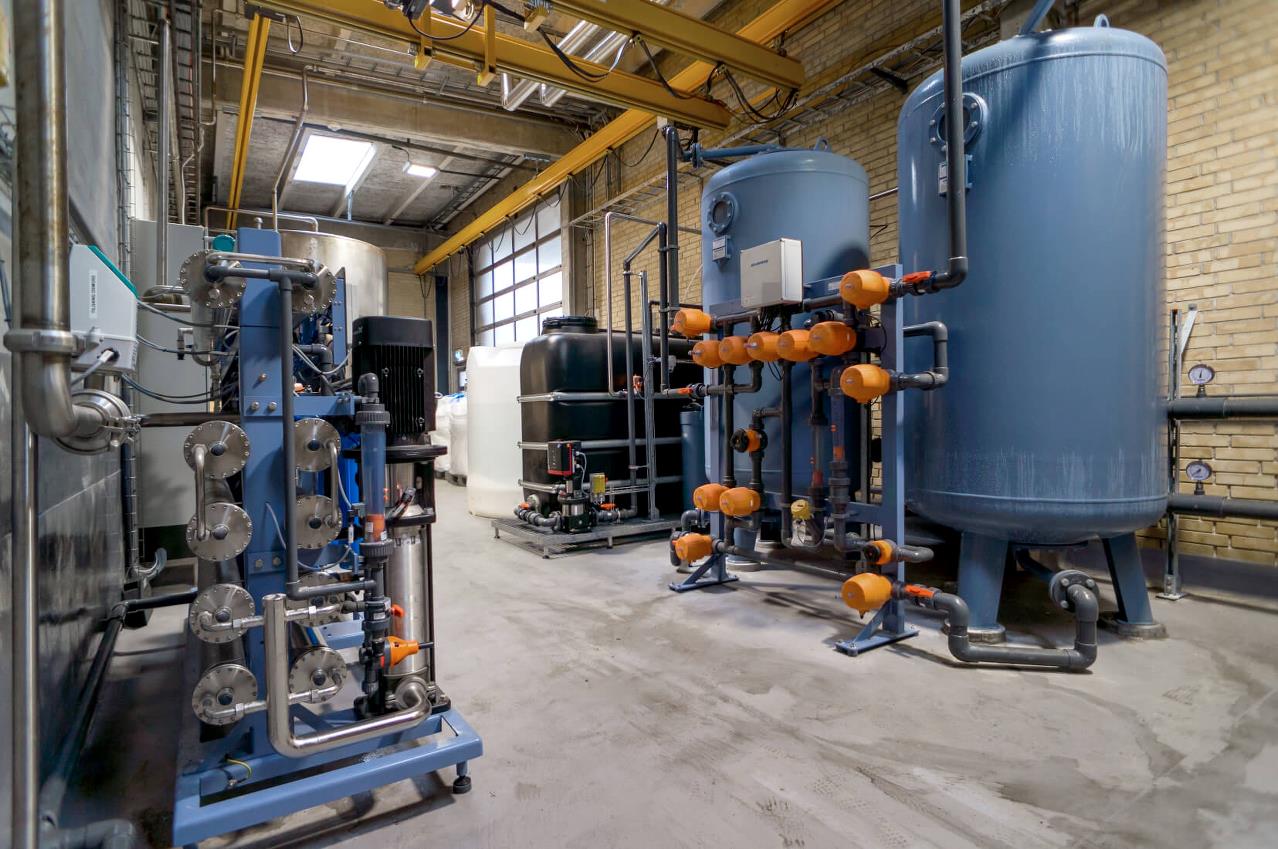
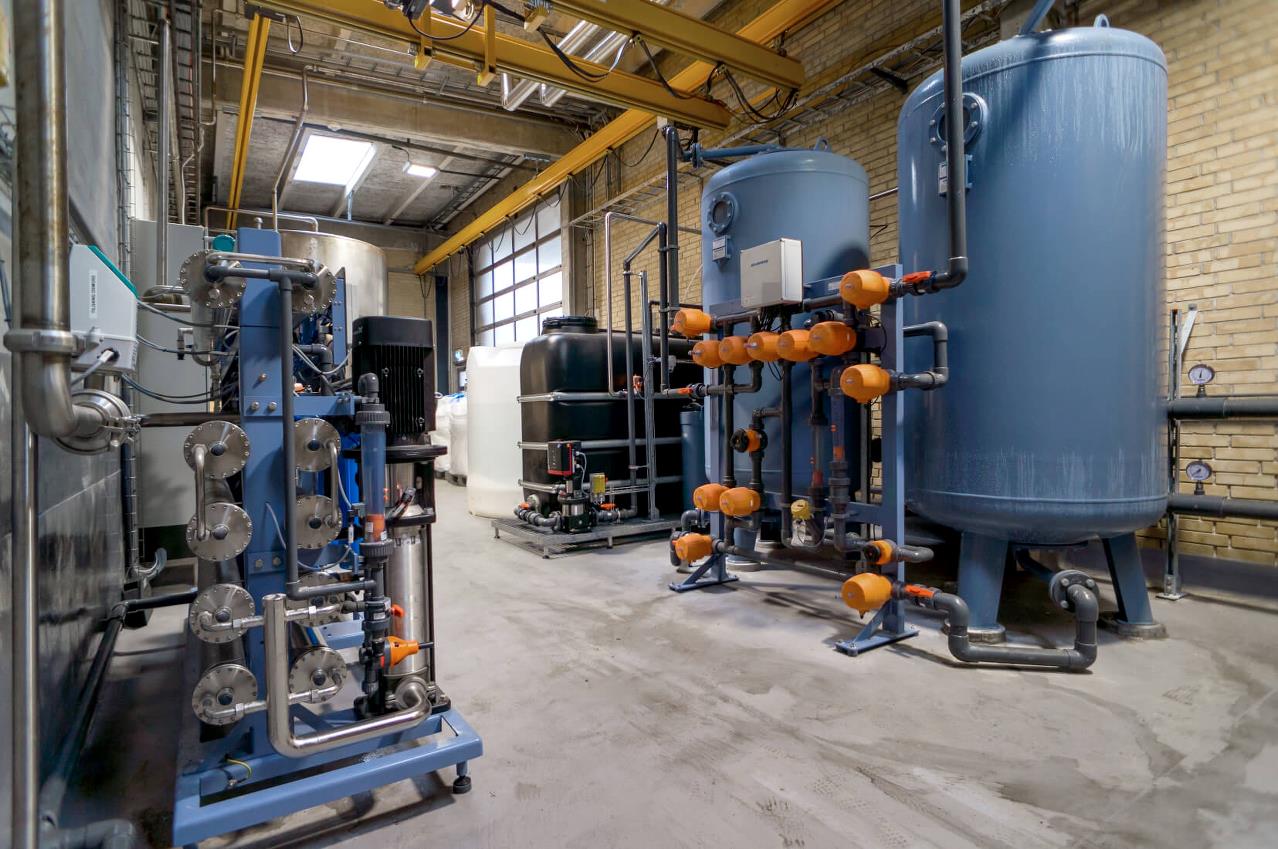
1. External pretreatment: filtration, water softening (ion exchange) and membrane systems (RO) remove particulates and hardness before water reaches the boiler. This reduces the chemical demand inside the boiler and protects internal surfaces. Installing a reliable commercial water filtration system upstream is often the most cost-effective first line of defence.
2. Deaeration and oxygen control: dissolved oxygen is highly corrosive. Mechanical deaerators and oxygen-scavenging chemicals (e.g., sulfite or alternative scavengers) are used to keep oxygen near zero in feedwater.
3. Chemical dosing (internal treatment): corrosion inhibitors, alkalinity builders, dispersants and anti-foaming agents are dosed to stabilise boiler water chemistry, prevent deposits and control carryover. The exact formulation depends on boiler design, pressure and feedwater quality.
4. Blowdown management: controlled surface and bottom blowdown remove concentrated dissolved solids (TDS) that would otherwise cause carryover or deposits. Automated blowdown systems improve consistency and efficiency.
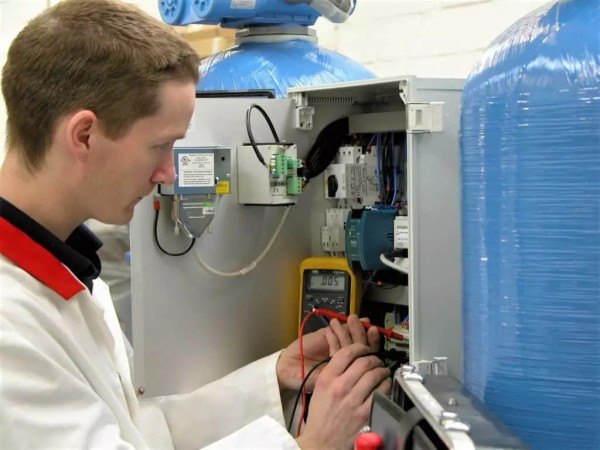
5. Monitoring & testing: daily/weekly checks of pH, conductivity/TDS, alkalinity, oxygen and key chemical residuals plus periodic inspections ensure the program is working and allow timely adjustments.
Practical Benefits
When a facility invests in consistent steam boiler treatment the gains are immediate and cumulative:
- Lower fuel consumption thanks to clean heat-transfer surfaces.
- Fewer emergency repairs and longer component life.
- Reduced scale-related shutdowns and improved uptime.
- Compliance with safety and operational guidance (helpful in audits).
Common problems and simple fixes
- Hardness scale: fix with a pre-treatment softening system or RO, and maintain proper chemical dosing.
- Oxygen corrosion: ensure deaerator performance and correct oxygen-scavenger dosing.
- Foaming / carryover: check boiler blowdown regime, water chemistry and feedwater contamination sources; use appropriate anti-foaming chemicals.
Choosing a partner
Not every site needs the same solution. Smaller sites may benefit from a packaged commercial water filtration system and a monthly service contract, while large plants typically require bespoke RO, deaeration and automated chemical feed with on-site testing. When choosing a supplier, ask about:
- On-site surveys and water testing.
- Tailored chemical programmes and dosing controls.
- Monitoring plans and emergency response.
- References and compliance credentials.
Final thoughts
Steam boiler treatment isn’t a one-off, it’s a discipline that combines technology, chemistry and routine care. The right program reduces operational costs, protects equipment, and keeps your facility running safely. Whether you have a small commercial boiler or a large steam plant, investing in pretreatment (like a commercial water filtration system), reliable deaeration, and a monitored chemical dosing plan will deliver measurable returns.