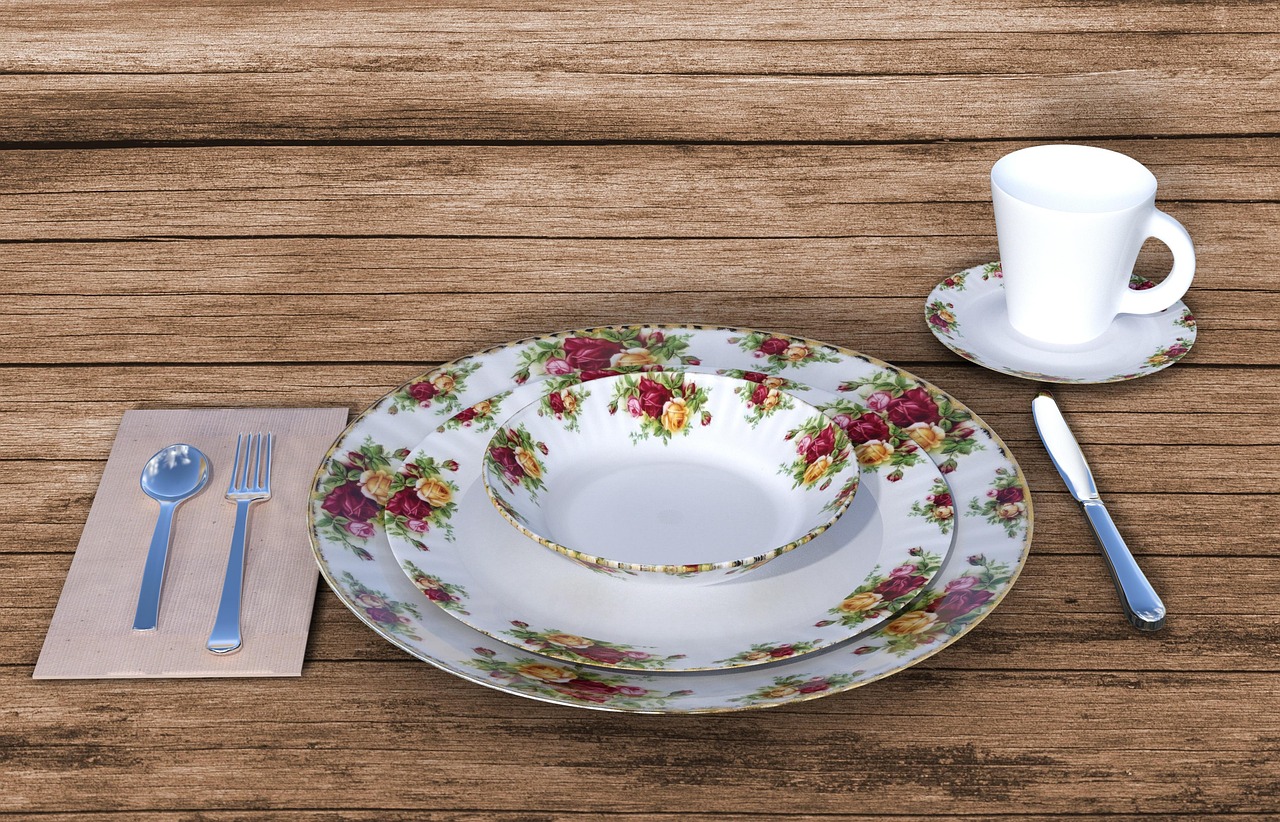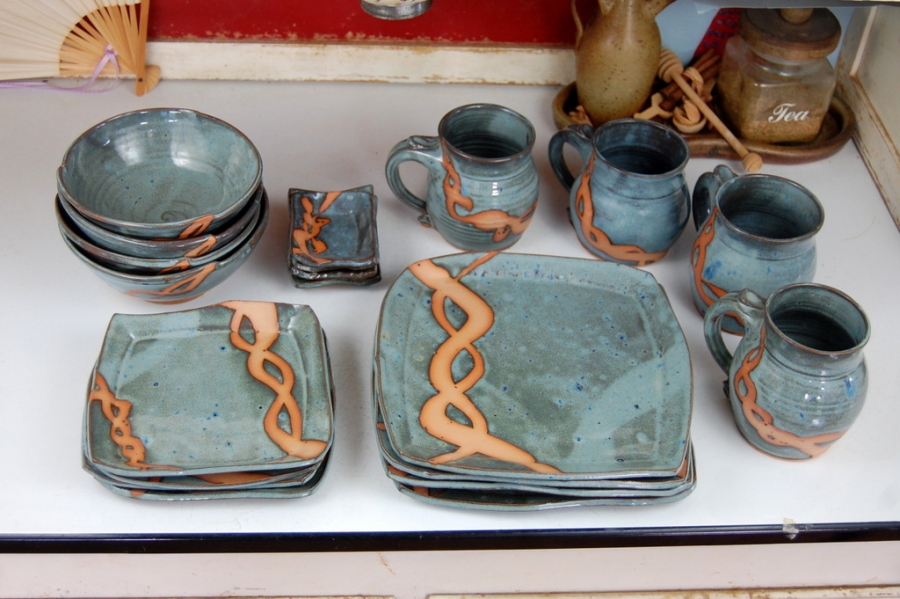
Few materials in our homes carry the same sense of refinement and history as fine porcelain. The way light seems to glow through its translucent surface, the delicate ring it makes when tapped gently, the smooth coolness against your fingertips—these are sensations that have captivated people for over a thousand years. Whether you are shopping for royal porcelain to grace your dining table or simply curious about what makes certain ceramics so special, understanding the different types of porcelain can deepen your appreciation for this remarkable material.
The Story Behind the Shine
Before we explore the various types of porcelain, it helps to understand what makes this material so exceptional. Porcelain is essentially a type of ceramic made from specific ingredients fired at extremely high temperatures, typically between 1,200 and 1,400 degrees Celsius. This intense heat transforms the raw materials into something extraordinary: a material that is simultaneously strong and delicate, practical and beautiful.
The magic lies in the ingredients. True porcelain contains kaolin (a pure white clay), feldspar (which acts as a flux), and silica (often from quartz). When these components are fired at such high temperatures, they undergo a chemical transformation. The feldspar melts and fuses everything together, while the silica contributes to that characteristic glass-like quality. What emerges from the kiln is no longer just clay—it is something entirely different, with properties that make it waterproof, resistant to staining, and remarkably durable despite its delicate appearance.
Hard-Paste Porcelain: The Original Wonder
Hard-paste porcelain, also known as "true porcelain," is where the story begins. This is the type that Chinese artisans perfected more than a millennium ago, and it remains the gold standard to this day. The Chinese kept their methods secret for centuries, and European potters spent decades trying to unlock the mystery of how to create it.
What distinguishes hard-paste porcelain is its composition and the extreme temperatures at which it is fired. Made from the traditional mixture of kaolin, feldspar, and silica, this porcelain is fired at temperatures that can exceed 1,400 degrees Celsius. The result is a material of extraordinary strength and translucency. When you hold a piece of hard-paste porcelain up to the light, it seems to glow from within, almost as if it is alive.
This type of porcelain has a distinct feel—smooth, cool, and incredibly refined. It produces a clear, bell-like tone when struck gently, a characteristic that collectors and connoisseurs use to identify quality pieces. Hard-paste porcelain is also remarkably resistant to chipping and staining, which explains why antique Chinese porcelain pieces from centuries ago still look pristine today.
Soft-Paste Porcelain: Europe's Creative Solution
When European craftsmen couldn't quite crack the code of true porcelain in the early 18th century, they developed their own version: soft-paste porcelain. This was not a failure but rather an ingenious adaptation. Unable to source true kaolin or achieve the necessary firing temperatures, they experimented with different materials, including white clay mixed with ground glass, bone ash, or other ingredients.
Soft-paste porcelain is fired at lower temperatures than hard-paste, typically between 1,100 and 1,200 degrees Celsius. This gives it a slightly different character—it is generally warmer to the touch and has a softer, more romantic quality. The glazes on soft-paste porcelain tend to sink into the body slightly, creating a beautiful integration between the decoration and the piece itself.
While it is not quite as durable as hard-paste porcelain, soft-paste has its own charm and historical significance. Many of the most beautiful pieces from famous European porcelain houses like Sèvres were created using soft-paste formulas. These pieces often feature elaborate hand-painted decorations and gilding that seem to meld with the surface in a way that is distinctly different from hard-paste porcelain.
Bone China: Britain's Lasting Contribution
In the late 18th century, English potter Josiah Spode developed what would become one of the most beloved types of porcelain: bone china. By adding bone ash (calcined animal bones, typically from cattle) to the traditional porcelain formula, he created a material that combined the best qualities of hard-paste and soft-paste porcelain while adding unique characteristics of its own.
Bone china contains about 30 to 50 percent bone ash, which gives it an exceptionally white colour and a warmth that other porcelains lack. It is also incredibly strong for its weight—actually stronger than standard porcelain despite being thinner and more delicate in appearance. This combination of strength and fineness makes it ideal for everyday use, which is why you will find the best ceramic tea cups and saucers set of 6 are often made from bone china.
The ivory-white colour of bone china is particularly prized because it provides an excellent canvas for decoration. Whether left plain or adorned with intricate patterns, bone china has a soft, creamy quality that feels both elegant and approachable. It is become a staple in homes around the world, striking that perfect balance between beauty and practicality that makes it suitable for both special occasions and daily rituals.
Porcelain Stoneware: Where Durability Meets Elegance
Porcelain stoneware represents a more modern development in the world of ceramics. Sometimes called vitrified porcelain, this type is fired at extremely high temperatures until the material becomes completely vitrified—meaning there is virtually no porosity left in the body. The result is a material that is exceptionally hard, dense, and resistant to moisture.
This type of porcelain is particularly valued in applications where durability is paramount. You will find it used in commercial settings, in high-quality tiles, and in tableware designed to withstand heavy use. While it may not have the delicate translucency of fine bone china, porcelain stoneware has its own aesthetic appeal—clean, contemporary, and confidently solid.
For those who appreciate modern design, porcelain stoneware offers a sleek, minimalist beauty. It can be finished with a variety of glazes or left unglazed for a more natural, matte appearance. Many contemporary designers favour this material for its versatility and its ability to convey a sense of understated sophistication.
Choosing the Right Porcelain for Your Needs
Understanding the different types of porcelain is not just about appreciating history or craftsmanship—it is also practical knowledge that can guide your purchasing decisions. The type of porcelain you choose should align with how you plan to use it and what aesthetic you are trying to achieve.
For formal dining and special occasions, hard-paste porcelain or bone china are excellent choices. Their combination of beauty and quality makes them feel special every time you use them. If you are selecting a corporate gift set for important clients or partners, fine porcelain sends a message of quality and thoughtfulness that few other materials can match.
For everyday use, bone china offers an ideal balance. It is durable enough to handle regular use and dishwasher-safe, yet still feels elegant and refined. Many people find that investing in quality porcelain for daily use actually enhances their everyday experiences, turning ordinary meals into moments of quiet luxury.
When you are looking for the best housewarming gifts, porcelain is always a safe bet because it combines practicality with beauty. A well-chosen porcelain piece—whether it is a set of dinnerware, a serving platter, or a decorative vase—can become a cherished part of someone's home for years to come.
The Human Touch in Porcelain
What makes porcelain truly special is not just its technical properties but the human connection it fosters. Every piece of fine porcelain represents countless hours of skill and tradition passed down through generations. From the potter who shapes the clay to the artist who applies delicate brushstrokes, from the kiln master who controls the firing to the inspector who examines each piece—porcelain is a testament to human creativity and dedication.
When you use porcelain in your daily life, you are participating in this long tradition. You are connecting with artisans across time and space who cared deeply about creating something beautiful and lasting. There is something profound about drinking your morning coffee from a cup that was crafted with such attention and skill, something that transforms a simple routine into a moment of mindfulness.
Living with Porcelain
Caring for porcelain is part of the relationship you develop with it. While modern porcelain is generally dishwasher-safe, there is something meditative about hand-washing your favourite pieces, feeling their smooth surfaces under your fingers, noting how they catch the light. Over time, you develop preferences—perhaps you have a favourite teacup that fits your hand just right, or a particular plate that makes every meal look more appetising.
Porcelain also has a way of marking life's passages. That set of china you inherited from your grandmother, the serving bowl you bought for your first apartment, the decorative plate you brought back from travels abroad—these pieces accumulate meaning over time. They become witnesses to our lives, present at celebrations and quiet moments alike.
The Enduring Appeal
In our age of disposable goods and mass production, porcelain stands as a reminder that some things are worth taking time with, worth investing in, worth cherishing. Whether you are drawn to the translucent perfection of hard-paste porcelain, the warm elegance of bone china, or the robust simplicity of porcelain stoneware, there is a type of porcelain that can speak to your aesthetic and practical needs.
The beauty of porcelain lies not just in its physical properties but in what it represents: the marriage of utility and artistry, the transformation of earth and fire into something transcendent, the connection between maker and user across time. Understanding the different types of porcelain deepens this appreciation, helping us see not just a plate or a cup, but a small miracle of human ingenuity and craft.
Next time you hold a piece of porcelain, take a moment to really look at it, to feel its weight and smoothness, to appreciate the journey it took from raw materials to finished piece. In that moment, you are holding more than just an object—you are holding centuries of tradition, skill, and beauty in your hands.