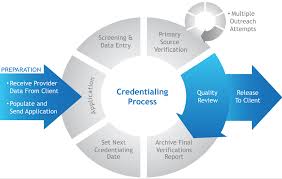
Starting a new job in healthcare is exciting, but the process can be long and stressful. Hospitals, clinics, and medical centers face a heavy load of paperwork before a provider can start seeing patients. Forms, licenses, verifications, and approvals pile up quickly. Delays can affect patient care and staff satisfaction. Modern tools can help. Credentialing management software offers a way to make onboarding faster, smoother, and more accurate.
What Makes Provider Onboarding Complex
Every provider has a unique background. Each one needs licenses, certifications, education records, and work history verified. Manual methods often lead to missing documents, delayed approvals, and repeated follow-ups. Staff spend hours tracking down forms or checking compliance. Errors can happen. Paperwork stacks grow. Providers feel frustrated. Patients might face delays.
The complexity grows with each new hire. Hospitals may hire doctors, nurses, therapists, and support staff at the same time. Managing all these records manually is slow. It is hard to track expiration dates or renewal requirements. Each mistake can have compliance risks.
How Credentialing Management Software Helps
Modern technology can change all that. Credentialing management software keeps records in one digital place. Staff can upload, store, and track all provider documents easily. Notifications alert administrators when licenses need updates. Forms can be signed electronically. Verifications happen quickly.
The software reduces human error. Missing documents or outdated forms are flagged automatically. Tasks that once took days now take hours. Staff can focus on higher-value work instead of paperwork. Providers start sooner, and patients get care faster.
Key Features to Look For
Choosing the right system can save time and money. Look for these features:
- Centralized Document Storage: All licenses, certificates, and IDs in one place.
- Automated Reminders: Alerts for expiring credentials and deadlines.
- Digital Verification: Fast checks for education, work history, and licenses.
- User-Friendly Dashboard: Easy access for admins and providers.
- Reporting Tools: Quick summaries of compliance status and onboarding progress.
A system with these features keeps staff organized. It also reduces stress for providers starting a new role.
Benefits for Healthcare Teams
A smooth onboarding process affects everyone. Admins spend less time on paperwork. Errors drop. Communication improves. Providers get access to systems faster. They can focus on patient care from day one.
Other benefits include:
- Faster hiring and deployment of staff
- Reduced compliance risk
- Better record management
- Improved provider satisfaction
- Clear oversight of the entire onboarding process
The impact is practical and measurable. Teams work smarter, not harder.
How to Implement a Credentialing System
Switching to digital tools does not have to be difficult. A simple approach helps:
1. Audit Current Process: Know what documents and steps are required.
2. Select Software Carefully: Choose software that fits your team size and needs.
3. Train Staff: Short, hands-on training ensures everyone can use the system.
4. Migrate Documents: Upload existing records to the new system gradually.
5. Set Rules and Alerts: Use reminders for expiring licenses or missing documents.
Small steps prevent errors. Staff feel confident with the new system. Providers notice the difference too.
Impact on Patient Care
Faster onboarding directly affects patient care. When providers start on time, hospitals maintain full staffing. Appointments are scheduled on time. Treatment plans continue without interruption. Errors in documentation are less likely. Staff feel more organized. Providers are more confident. Patients benefit from smoother care delivery.
Common Concerns Addressed
Some staff worry that software will be hard to use. Others fear loss of control over records. A good system solves both. Interfaces are simple. Permissions control access. Admins stay in charge of sensitive data. Providers can upload or update documents safely. The system works as a helper, not a replacement.
Choosing the Right Credentialing Management System
When evaluating options, consider:
- Scalability: Can it handle growth?
- Support: Does the vendor provide training and help?
- Security: Are records encrypted and safe?
- Integration: Does it work with HR or EHR systems?
- Cost vs Benefit: Is the investment justified by time saved and errors reduced?
Choosing the right system is an investment in staff efficiency and patient safety.
Conclusion
Apex Custom Software offers a robust solution for healthcare facilities seeking efficient onboarding processes. The company focuses on streamlining credentialing management. Its system stores provider records securely, tracks renewals, and sends automated alerts to prevent delays. Staff spend less time on repetitive tasks, while providers start their roles sooner. Apex Custom Software emphasizes usability, ensuring that administrators and healthcare professionals can access and manage documents with ease.
Hospitals using Apex solutions report improved compliance, faster onboarding, and higher staff satisfaction. Their credentialing management software adapts to different facility sizes and workflows. Security is a priority, with encrypted records and controlled access. By reducing paperwork and errors, Apex Custom Software allows teams to concentrate on patient care rather than administrative tasks.
With Apex, the process of provider onboarding becomes smooth, reliable, and efficient. Teams gain a tool that enhances organization, accuracy, and overall healthcare delivery, creating a positive impact for both staff and patients.