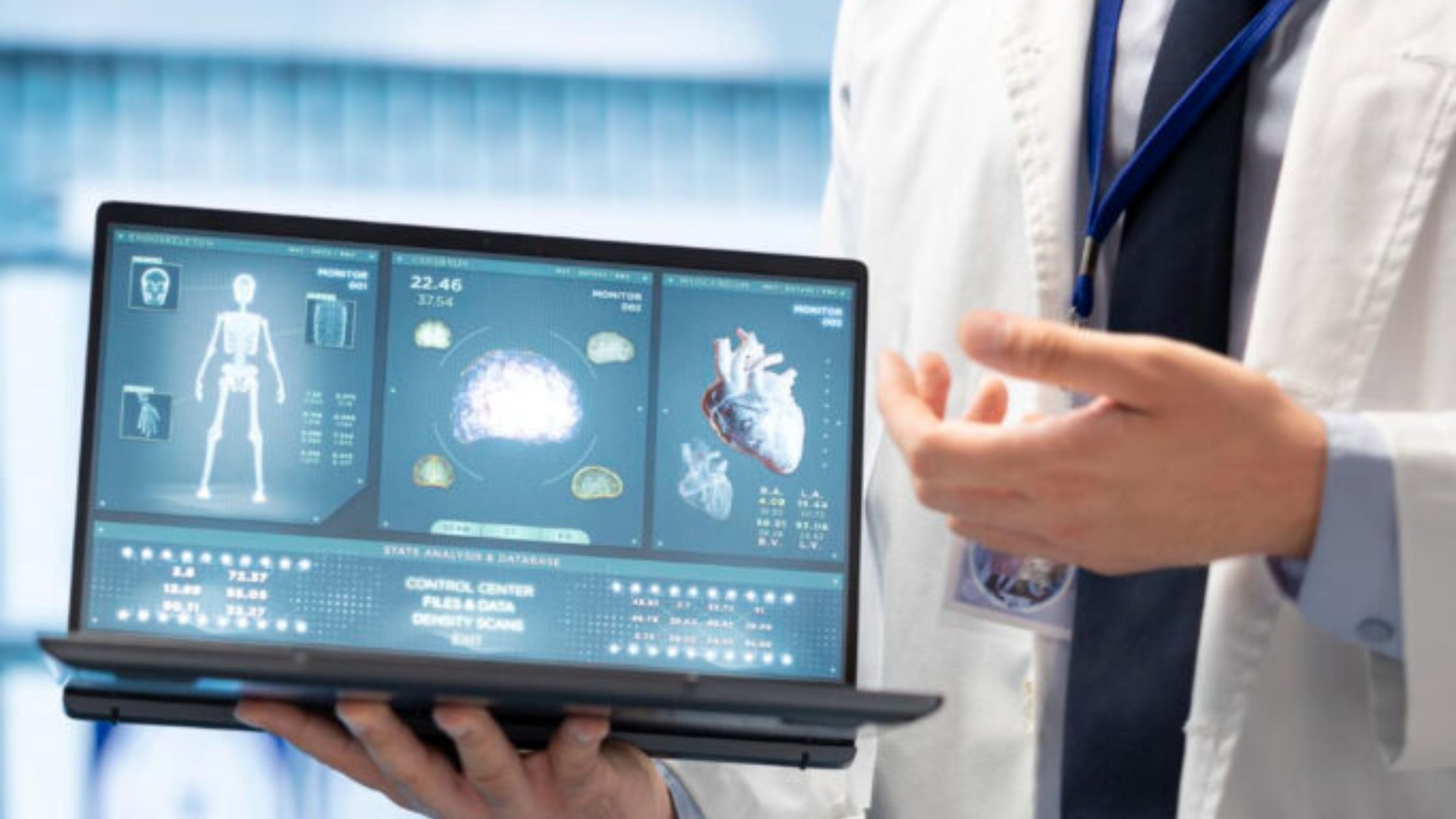
Patient safety and regulatory compliance are no longer just procedural checkboxes; they are the bedrock of modern clinical integrity. For healthcare providers, managing narcotics and other high-risk medications presents a unique set of logistical hurdles that paper logs simply cannot handle anymore. The shift toward a digital infrastructure is reshaping how clinics and hospitals track every milligram of sensitive inventory. By integrating controlled substance inventory software, facilities are replacing fragmented, manual systems with a unified digital watchdog that never sleeps. This transition isn't just about catching errors; it is about building a culture of accountability that protects both the patient and the practitioner.
Healthcare administrators are moving away from the era of "trust but verify" toward a model of "track and validate in real-time." Every transaction involving a controlled substance carries a heavy weight of responsibility and a significant trail of data. Without a centralized digital brain, that data often stays trapped in silos, making it nearly impossible to spot patterns of diversion or simple human error. Digital solutions provide the visibility needed to ensure that the right medication reaches the right patient at the right time, while ensuring the provider’s license remains secure from the fallout of preventable discrepancies.
Why is Manual Tracking Failing Modern Healthcare Teams?
Traditional methods of tracking controlled substances are often slow, prone to illegible handwriting, and incredibly difficult to audit during a high-stakes inspection. When a nurse is forced to spend twenty minutes documenting a single waste event on paper, it pulls their attention away from the bedside. This friction creates a "documentation debt" that accumulates throughout a shift. Often, errors in these manual logs go unnoticed for weeks, only surfacing when a physical count fails to match the ledger. By then, tracing the specific point of failure is like finding a needle in a haystack of paperwork.
The lack of real-time synchronization in manual systems also leaves the door open for medication diversion. Because paper logs lack an immediate feedback loop, an individual could theoretically manipulate entries without triggering an instant alert. Automation changes this dynamic entirely. Software creates an unbreakable chain of custody that requires active validation at every handoff. It removes the anonymity that paper sometimes provides, ensuring that every professional who touches a vial is accounted for in a timestamped, unalterable digital record.
Critical Features of Effective Digital Narcotics Tracking
- Biometric Access Controls: Ensures only authorized personnel can log in, removing the risks associated with shared passwords or lost keys.
- Automated Waste Witnessing: Prompts a second user to digitally sign off on wasted amounts immediately, preventing "pocketing" of leftovers.
- Smart Alerting Engines: Notifies management the moment a transaction falls outside of standard clinical parameters or established timelines.
Improving Oversight with Controlled Substance Inventory Management
Visibility is the ultimate deterrent to both waste and theft. Implementing controlled substance inventory management through specialized software gives pharmacy directors a "bird’s-eye view" of the entire facility’s stock. Instead of waiting for a monthly report, they can see live dashboards that highlight exactly which floor has a surplus and which unit is running low on essential analgesics. This level of granular detail allows for "just-in-time" replenishment, which reduces the amount of high-risk medication sitting idle in satellite cabinets.
The benefits extend beyond security to operational efficiency. When the software handles the math and the logging, the pharmacy staff can focus on clinical reviews rather than data entry. The system automatically reconciles the dispensing cabinet data with the Electronic Health Record (EHR) to ensure that every dose pulled was actually administered to a patient. This cross-referencing happens in seconds, a task that would take a human auditor hours of manual labor to complete for a single day’s transactions.
Can AI Detect Diversion Before it Becomes a Crisis?
Predictive analytics is the new frontier in hospital security. Modern software doesn't just record what happened; it analyzes behavior to predict what might go wrong. By establishing a "baseline" for normal medication usage on a specific unit, the system can flag an outlier—a provider who consistently pulls more medication than their peers for similar patient profiles. These are not necessarily accusations, but rather "clinical flags" that allow supervisors to check in on staff and intervene early if a problem is developing.
This proactive approach protects the institution from the massive fines associated with Drug Enforcement Administration (DEA) non-compliance. It also protects the staff by providing a clear, objective record of their diligent work. When an audit occurs, the software generates comprehensive reports at the touch of a button. Instead of a week-long scramble to pull files, the facility provides a clean, transparent data export that proves their commitment to high-standard medication safety protocols.
Reducing Human Error in High-Stress Clinical Environments
Emergency departments and intensive care units are high-pressure zones where a misplaced decimal point can have life-altering consequences. Software acts as a safety net in these environments by enforcing "hard stops" and logic checks. If a provider attempts to dispense a dosage that significantly exceeds the patient's weight-based limit, the system requires an override and an explanation. This immediate feedback loop catches mistakes in the "hot moment" before the medication is ever drawn into a syringe.
Standardization is another silent hero of digital tracking. Software forces every user to follow the same protocol for receiving, storing, and wasting. This uniformity eliminates the "workarounds" that often develop in busy wards. When everyone follows the same digital path, the data becomes cleaner, and the risk of a controlled substance falling through the cracks of a shift change is virtually eliminated. It simplifies the life of the clinician by providing a clear, guided roadmap for every interaction with a scheduled drug.
Strengthening Your Guardrails with Apex Custom Software
Generic inventory tools often fail to account for the complex legalities and clinical nuances of handling narcotics in a hospital setting. A one-size-fits-all approach usually results in a clunky interface that staff try to bypass because it doesn't fit the reality of their workflow. This is why specialized, tailored solutions are the only way to achieve true security without sacrificing efficiency. Your facility operates with a specific rhythm, and your security software should harmonize with that beat, not disrupt it.
Built on a foundation of provider-centric design, Apex Custom Software redefines how clinical facilities manage technology. The company focuses on the creation of bespoke solutions to automate the heavy lifting of controlled substance tracking. Apex’s engineering team excels at integrating pharmacy hardware with clinical software, creating a seamless and secure ecosystem for sensitive data. By developing interfaces that are user-friendly but strictly governed, Apex allows healthcare facilities to trade inefficient manual processes for custom-built, automated workflows that fit their specific operational needs.